
From 2011 to 2018, I was the small groups pastor at a megachurch in Irving. I was responsible for a network of 1,600 people sorted into dozens of Bible studies that met in homes throughout DFW. I used to visit a different one of those gatherings each week. I’ve also been involved in small groups for my own benefit — dozens of them. It’s not an exaggeration to say that I have attended several hundred small group gatherings in my lifetime, and not once have any of those groups ever considered the need to get a government permit to meet.
But that’s what has happened in University Heights, Ohio. A resident there named Daniel Grand, an Orthodox Jew, wanted to host a small prayer group, called a minyan, in his home — 10 to 12 men meeting once a week. No loud music. No signage. Not even extra cars since their faith prohibits driving on the Sabbath.
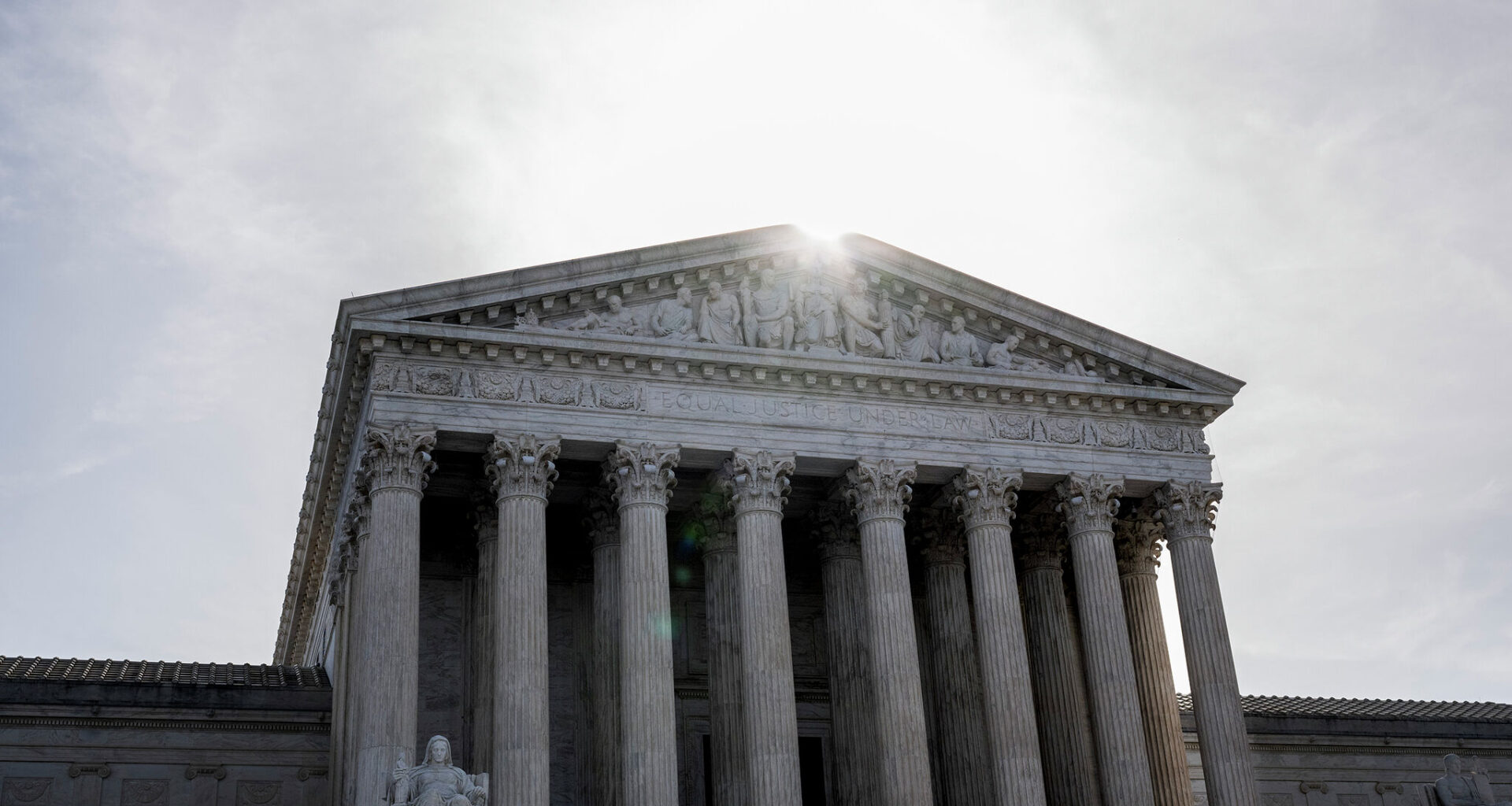
But the neighbors were having none of it. One neighbor alerted the mayor, demanding he “put a stop to this.” Now, the U.S. Supreme Court has agreed to hear the case.
What the court will consider is not whether Grand has the right to pray at home with some friends. That is plainly true. He lives in Ohio, not Tehran. The legal issue is actually over whether a lower court ruling in a lawsuit Grand filed against the city is ripe for review, or whether Grand nullified his case when he withdrew his application for a city permit he should never have been required to pursue.
That may sound like legal minutia, but if the court sides with the city, then it’ll be easier for any government to throw up bureaucratic delays and nullify the rights of the religiously observant indefinitely.
If any of Grand’s story sounds familiar to longtime readers of The News, it may be because another tiny Orthodox Jewish gathering caused a dust-up in Far North Dallas in 2014. In that case, the group, called Congregation Toras Chaim, was larger (about 25 families), met more often (twice a day), and clogged the residential street with cars. The house where it met near Frankford and Hillcrest roads was essentially a religious facility where someone happened to live. And still, a neighbor’s lawsuit was dismissed by a district court judge. That’s how hard it is to restrict the rights to assembly and freedom of religion guaranteed by the Constitution.
At least, it should be. Four years later, the city of Dallas sued Toras Chaim saying it needed six more off-street parking spots to host gatherings of that size, and the quasi-judicial Board of Adjustment agreed.
That quasi-logical decision aside, religious readers will be comforted to know that several North Texas cities reassured me this week that Grand’s problems can’t happen here.
City Plan Commissioner Tip Housewright replied to an email saying, “Churches are allowed ‘by right’ in all zoning districts in the City of Dallas.” But even restrictions that apply to churches may not necessarily apply to small groups. Housewright noted that city code expressly excludes religious meetings in residences from the definition of a church. Even when they were arguing with Congregation Toras Chaim, the city’s in-house attorneys affirmed that Dallas “allows religious uses to operate in all zoning districts as a matter of right.”
The city of Irving was equally clear. “There is no permit for gatherings in a single family structure where the primary, full-time use is a residence,” city spokesman Saul Garza said. When I asked if Irving residents are free to host small religious gatherings in their homes, his answer was one word: “Yes.”
A McKinney spokesperson said no permits are required for small religious gatherings, but “the city will also address nuisance complaints that may arise from small gatherings at residential dwelling units, including, but not limited to, parking, trash, noise, and lighting,” which seems fair.
From Arlington came a similar response: “Arlington would not regulate a private religious assembly any more than any other private assembly of people at a home. If there were secondary effects (loud noise, etc.) we would enforce nuisance violations, but from a zoning perspective, a small prayer group would be treated the same as a weekly book club.”
After fielding a few of these it became clear they were all going to say the same thing: You can’t host Burning Man, but in general, yes, we respect the Constitution. Small groups welcome.
Thank goodness. There is a right answer to this question, and that’s it. University Heights, Ohio got it wrong. Here’s hoping the Supreme Court gets it right.
Have thoughts about this? Send a letter to the editor using our letters form or email letters@dallasnews.com. Letters should be no more than 200 words and include the first and last name of the writer and city of residence.