
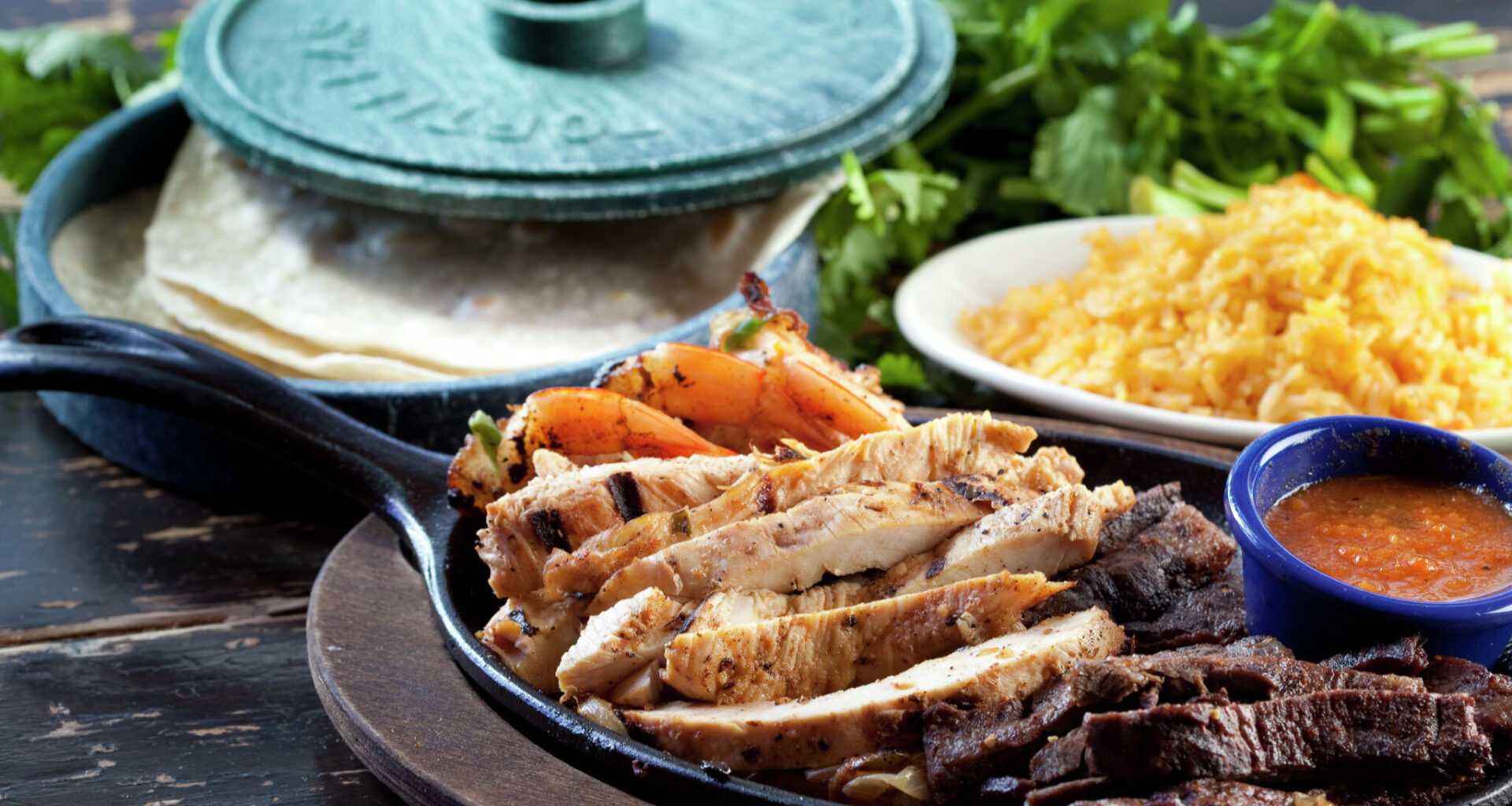
Molina’s Cantina, Houston’s oldest family-owned Tex-Mex restaurant, has been forced to raise its prices — and it’s not alone. Nationwide, food prices are roughly 35% higher than in 2019.
Julie Soefer
Texas restaurants are in trouble. Labor shortages throughout the food supply chain are increasing costs to an unsustainable level. Half of restaurants reported that they were not profitable last year, up from 38% in 2024, according to a survey of Texas restaurants by the National Restaurant Association.
Take Molina’s Cantina, which has been in business for 85 years and has three locations in the Houston area. Owner Ricardo Molina says a crate of tomatoes that once cost $18 has more than doubled to about $45. The beef he buys for fajitas has gone from about $9 to $13 a pound.
Molina’s experience is not unique. Nationwide, food prices in June were 3% higher than a year ago and roughly 35% higher than in 2019. Now confirmed cases of screwworm in cattle herds in the U.S. are threatening to send beef prices even higher.
Article continues below this ad
As the president and CEO of the Texas Restaurant Association, I talk to restaurant operators every day, and two challenges come up again and again: rising costs and finding enough workers. If we want to help these businesses succeed, we need to address the labor shortages throughout America’s food supply chain.
Farmers struggle to find enough laborers to harvest crops. Food processing facilities don’t have enough workers to run at full capacity. Trucking companies can’t find enough drivers to transport food to restaurants and grocery stores. And our restaurants themselves struggle to fully staff their kitchens and dining rooms. Reduced capacity at each of these stages means fewer choices and higher costs, not only for restaurants, but for American consumers.
Many families are already watching their budgets as grocery and gas prices remain high. Further price increases may cause customers to dine out less often or scale back their order. Ricardo Molina has already made the difficult decision to raise prices across his menu. But he can’t raise prices on the free tortilla chips, a perk his customers love. Since restaurant profit margins are already razor thin, any reduction in spending can have significant impacts. Already this year, major chains like Shari’s, 801 Chophouse and Smokey Bones have filed for bankruptcy.
Article continues below this ad
Some economic factors are hard to control, but there is a policy we could adopt today to have a tremendously positive impact. Lawmakers could strengthen the food pipeline for all Americans by expanding access to work permits for vetted immigrants who have demonstrated a long-term commitment to working, paying taxes, and contributing to our nation.
Immigrants make up nearly one-quarter of the Texas food sector workforce, according to a recent report by American Immigration Council, and 14.5% of these are undocumented, including more than 20,000 individuals who came to the U.S. as children. Providing work permits to law-abiding immigrants who have already built a life in the U.S. would help employers throughout the food supply chain fill needed positions.
Recent improvements to the H-2A program, like the ones made last fall by the Trump administration that make it more affordable to hire foreign-born seasonal workers, will help, but our existing seasonal worker programs will not meet the workforce needs of Texas agriculture and hospitality businesses. Bipartisan bills like the Dignity Act, which would strengthen border security while granting worker permits to long-time undocumented residents, would provide a more durable, long-term approach.
Without meaningful workforce solutions, cost pressures on restaurants and consumers are likely to continue. That affects everyone, whether they eat out regularly or not. The restaurant industry is the largest private employer in our state, supporting nearly 1.5 million jobs. Every dollar spent in Texas restaurants contributes nearly $2 to the state economy.
Article continues below this ad
Restaurants help make Texas a dynamic, thriving state. Our hospitality industry makes us especially appealing to new businesses, tourists and residents alike. Creating more legal pathways for workers to plug critical holes in our food supply chain is a practical step toward supporting Texas businesses, workers and consumers alike.
Emily Williams Knight is the president and CEO of the Texas Restaurant Association.