
“Today is a very good day for Corpus Christi,” Mayor Paulette M. Guajardo said during the news conference, which was attended by most of the Corpus Christi City Council.
“After months of drought, difficult conservation measures, and the patience and sacrifice of our residents, we’ve received much-needed rainfall that has significantly improved the water levels in our reservoirs…We’re now in a position to move out of Stage 3 water restrictions,” the mayor added.
Members of the council also thanked local residents for their patience and commitment to conservation. On average, Corpus Christi households have reduced their use from 6,000 gallons per month to 4,000 gallons, officials said. Others said the rains represent answered prayers.
“Our gratitude and recognition goes to God, for whom I know this entire city, region and state has prayed consistently for his mercies over our area, and he has so granted us,” District 4 Councilwoman Kaylynn Paxson said.
Shortly afterward, Corpus Christi City Manager Peter Zanoni made the declaration official.
“I, as the city manager, hereby declare that — effective immediately — Corpus Christi is now moving into Stage 2 water restrictions,” Zanoni said.
“This is a great moment. I’m going to clap,” he added, inviting those in the room to join him.
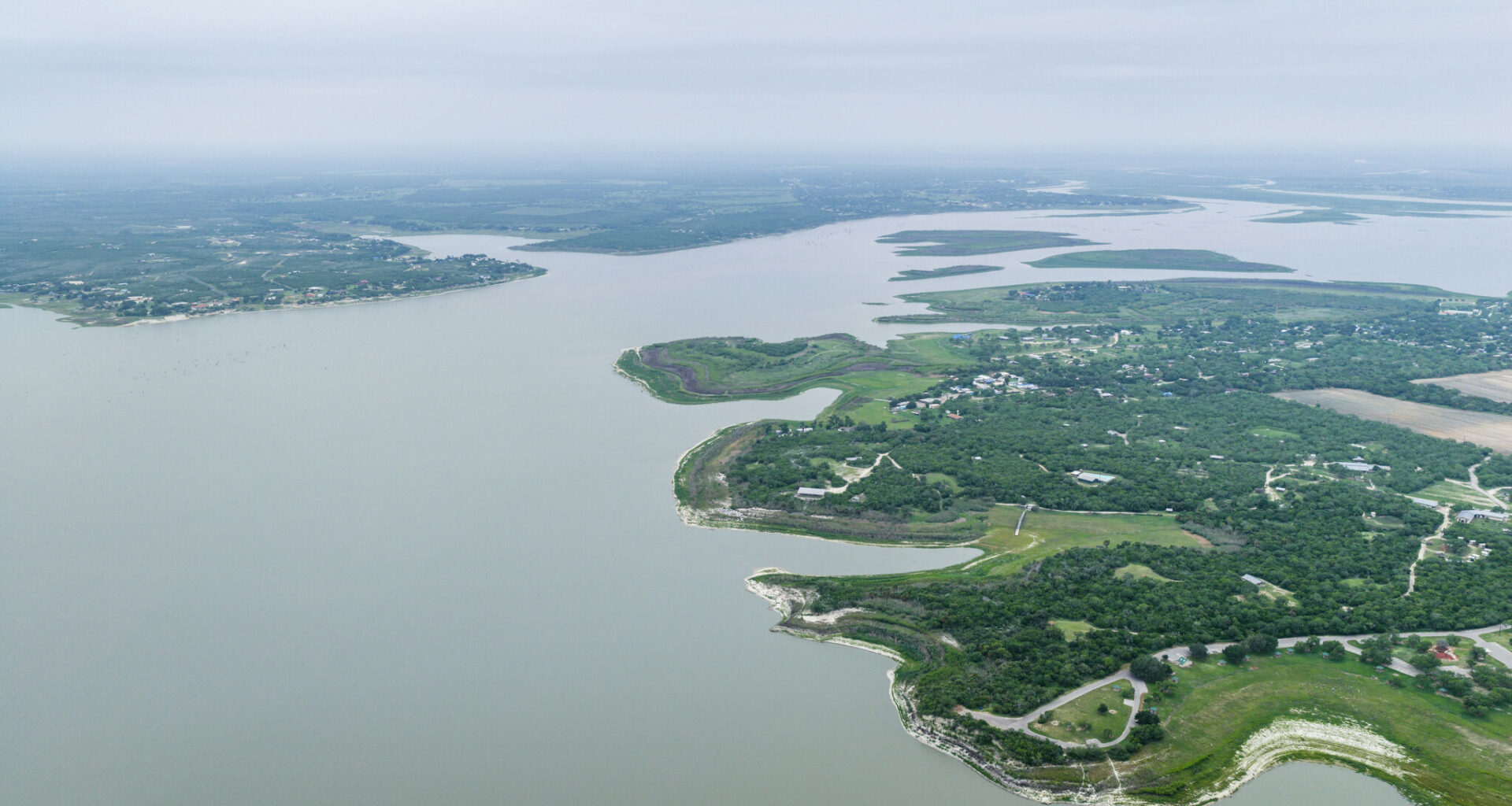
Corpus Christi Water — which serves half a million people inside the city and across seven Coastal Bend counties — first entered Stage 3 water restrictions in December 2024. The region had remained under such rigid conservation measures for 596 days, Zanoni said. As of Tuesday morning, Lake Corpus Christi had risen to 67.8% full, while the Coastal Bend’s largest reservoir, Choke Canyon, was holding steady at about 24.9% full, bringing their combined level to 36.9% full.
“The recent rains have benefited us tremendously and have pushed back this level one water emergency to September of 2028,” he said.
But while the council was jubilant over the eased restrictions, many urged caution and maintaining conservation efforts while continuing to explore water diversification, including groundwater wells, brackish water treatment plants, and wastewater reuse — projects Corpus Christi has already invested $1 billion in — as well as long-stalled efforts for a seawater desalination plant.
“Today is not the finish line. It’s an opportunity to take a deep breath, but it’s not an opportunity to become complacent,” Mayor Guajardo said.