
Cyclospora cases in Texas have surged to nearly 200, as health agencies track the parasite causing severe diarrhea. No deaths have been reported in the state.
DALLAS — State and North Texas health agencies have reported updated totals for Cyclospora infections as Texas continues to track a rise in cases of the parasite, which is known for causing explosive diarrhea.
The Texas Department of State Health Services (DSHS) says there have been 198 lab-confirmed cases in Texas as of Tuesday, Aug. 4. That total includes 188 lab-confirmed cases and 10 probable cases.

This story continues below.
That’s an increase from July 20, when Texas DSHS confirmed there had been 98 lab-confirmed cases. There have also been 15 hospitalizations reported and no deaths, officials said.
A source for the Texas cases has not been identified. None of the residents who have lab-confirmed illnesses reported traveling internationally.
Texas DSHS says it will not operate a dashboard to track cases, but a spokesperson told WFAA the agency will release weekly case counts throughout the Cyclospora season, which typically runs from May 1 to August 31.
Here are the updated case numbers from some counties across North Texas:
Dallas County: 33 closed confirmed cases, 11 under investigation. Denton County: 10 confirmed casesTarrant County: No update provided at the time of writing. As of July 7, Tarrant County has had “fewer than five cases of Cyclosporiasis this year.” Collin County: No update provided at the time of writing. As of July 6, Collin County confirmed two cases so far this season.
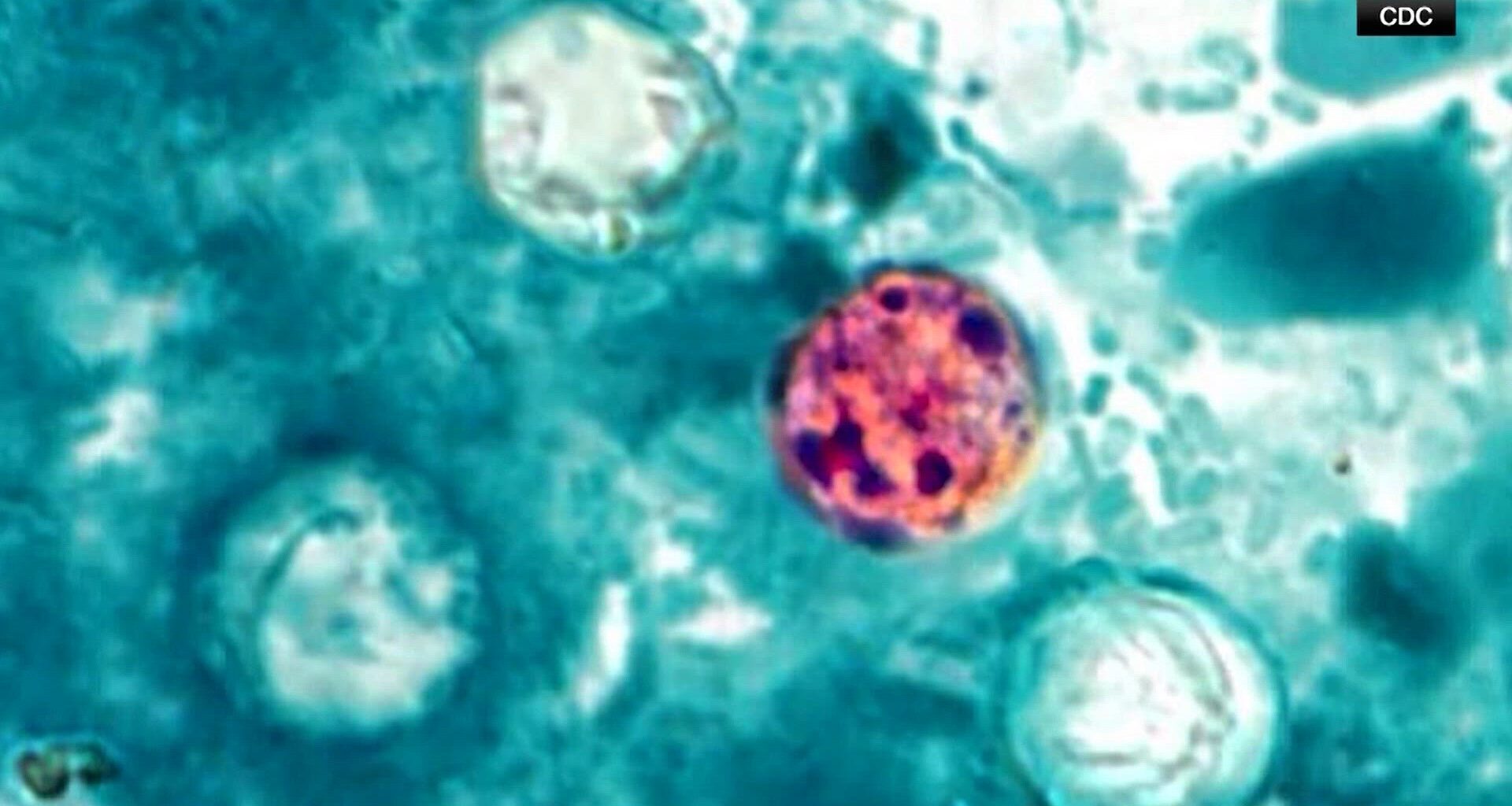
Cyclospora is a microscopic, spherical parasite that commonly causes watery diarrhea “with frequent and sometimes explosive bowel movements,” according to the Centers for Disease Control and Prevention. Outbreaks tend to occur most often in the late spring and summer.
The CDC says the illness, called cyclosporiasis, is rarely deadly.
However, two people have died in the Cyclospora outbreak in Michigan. The Michigan Department of Health and Human Services said both people had underlying health conditions that may have been impacted by the intestinal illness and dehydration.
Health officials suggest that people thoroughly wash fruits and vegetables before cooking or eating them, in addition to washing hands with soap and water before handling or preparing food.
Data available from Texas DSHS on historical Cyclospora infections show infection rates from 2012 to 2022.