
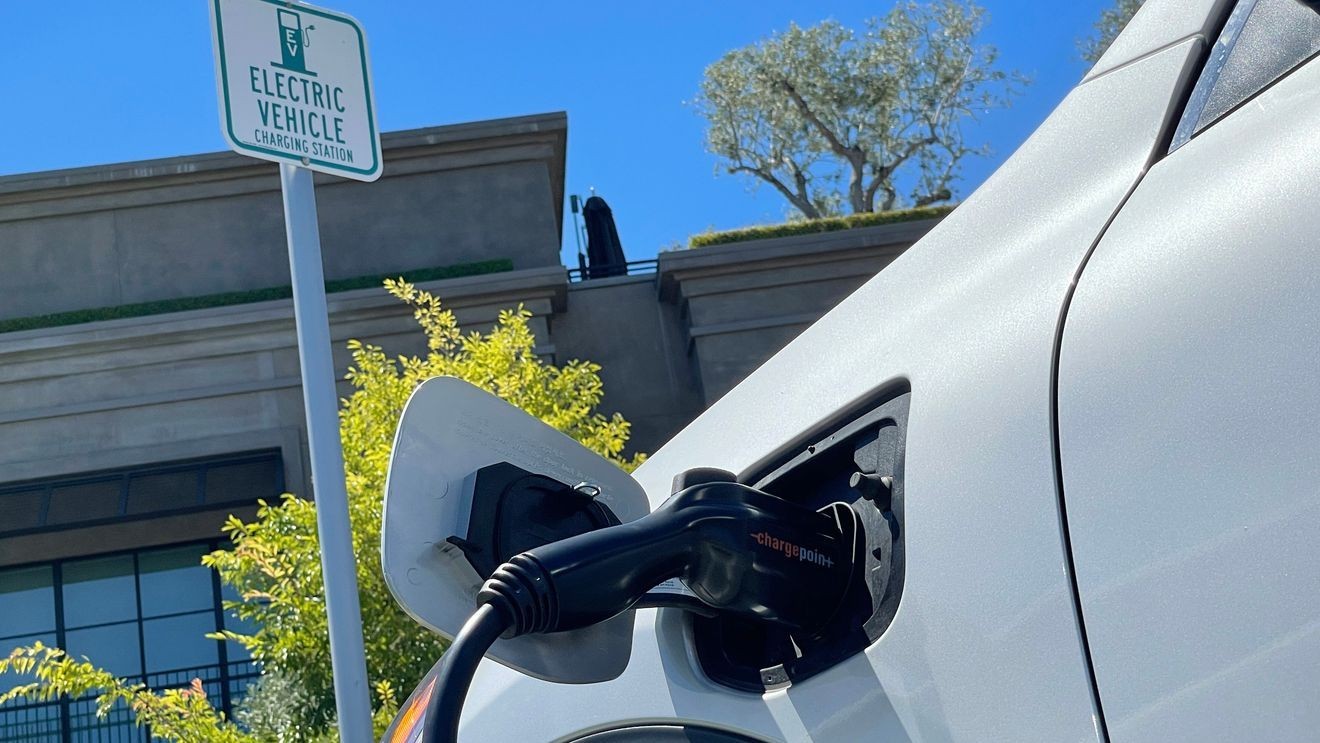
AUSTIN, Texas — Electric vehicles are becoming a bigger part of daily life in Texas, but as more drivers plug in, there are growing questions about what that means for the state’s power grid.
Every week, about 1,500 more electric vehicles hit Texas roads according to the Texas Department of Transportation.
“We have over 500,000 electric vehicles registered in the state of Texas,” said Mario Bravo, Executive Director of Texas EV Education Project.
The U.S. Department of Energy said Austin is helping lead that growth, ranking among the top three U.S. cities for EV ownership. Statewide, Texas is on track to surpass one million EV’s in a year and a half.
“About 10 to 15% of all new car sales in the state of Texas are electric vehicles.,” said Ramanan Krishnamoorti, VP for Energy and Innovation at the University of Houston.
As more Texans make the switch to EV’s, the state is working to keep pace. Over 4,300 charging stations are online across the state, with hundreds more being built and planned in the years ahead.
“The National Electric Vehicle Infrastructure Plan was passed under the Biden administration. Under that plan, Texas got over $400 million to build electric vehicle charging stations all throughout the state,” said Bravo.
This growth comes as the Electric Reliability Council of Texas or ERCOT projects peak demand could hit nearly 368,000 megawatts by 2032. This is more than four times the peak demand set in 2023 of nearly 86,000 megawatts.
ALSO | Google opens Austin’s “Sail Tower” with free high-tech hub for nonprofits
But some experts have said the timing of charging could matter just as much as the number of EV’s on the road.
“They are the first time we’ve had a large-size manageable load on the electric grid. That means you can control when that load is used,” said Bravo.
The U.S. Department of Energy said most EV’S charging on a level two home charger draw about 7.2 kilowatts, roughly the same amount of electricity as a dryer. Level one chargers use even less power but charge slower. Public DC fast chargers use significantly more power to deliver a faster charge. Energy experts add that the bigger issue is when those chargers are used.
“I go back home at 6:00 – 6:30 p.m. I instinctively plug my electric vehicle into the socket, it starts to draw in a lot more power,” said Krishnamoorti.
This is because the evening hours are already one of the busiest times for the Texas power grid. Experts suggest EV owners charge their cars overnight when demand is lower, use smart charging programs and send back stored battery power to the grid.
“When they need power, they could crowdsource from many electric vehicles throughout the community to put more electricity on the grid for everybody to use,” said Bravo.
This technology is known as vehicle-to-grid or V2G. It allows parked EV’s to send power back to the grid when demand is highest. This added power can reduce strain on the grid, help lower the overall cost of maintaining the system, which can translate to lower electricity bills.
“Part of your electricity bill is paying for your infrastructure. Even if you choose not to drive an electric vehicle, if your neighbor does, that helps drive down your electricity prices because they’re spreading out the cost of that infrastructure,” said Bravo.
Some utility companies including Austin Energy are already putting that idea into practice. Homeowners can receive $500 upfront to buy a battery storage system, plus an average of $300 each year if they allow Austin Energy to use the stored power during peak demand.
Experts add the next step is making programs like this possible across the state.