
A $1,000 scholarship for every senior in the Texas Tech College of Education transformed
what came next for three graduates and the students they now teach.
CREATORS
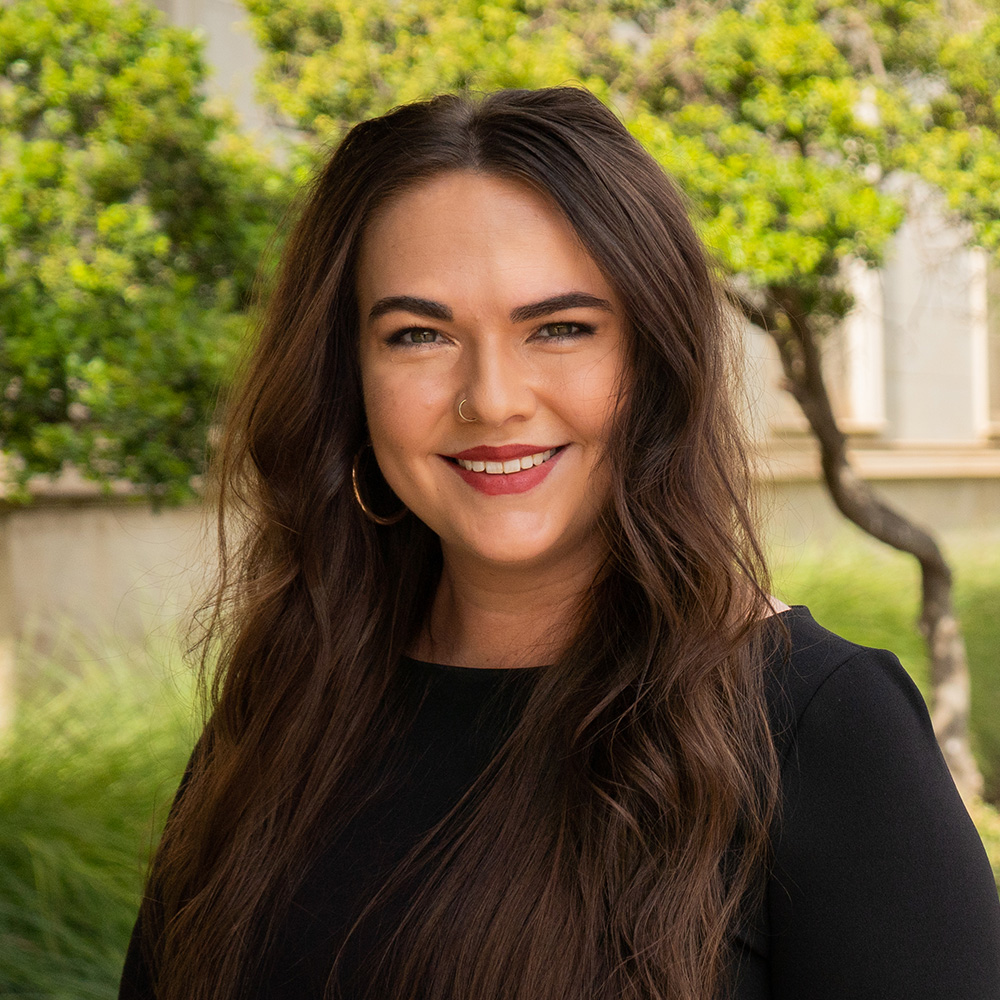
“When I was a kindergartner, and they asked me what I wanted to be when I grew up,
my answer was, ‘I want to be a teacher,’” said Braeley Krautsch, a 2023 graduate of
the College of Education and first grade teacher at Lubbock-Cooper East.
“My whole life it’s never changed. Even now, it will never change,” she continued
This passion is common among students in Texas Tech University’s College of Education. Not every student knows at age 5 that they’ll one day lead
a classroom, but somewhere in their studies, a determination takes root. It persists
despite what students often hear when they say they want to teach — phrases alumnae
Krautsch, Gabby Dagrosa and Katherine Kraatz each said they were told.
Why would you want to do that? You’re not going to make any money. Don’t do it.
They did it anyway.
Three years ago, Roxane and Ben Strickling set out to change what those students hear.
A former teacher herself, Roxane had seen the vital roles teachers played in their
communities and how they could uplift students in their schools.
She had also heard the negative rhetoric that often surrounded the profession and
experienced firsthand the financial struggles many teachers face, particularly early
on in their careers.
So, in 2023, Roxane and Ben established the Strickling Senior Leaders Scholarship Program — a way of telling future teachers that someone believes in them. The program provides
a $1,000 scholarship to every senior in the College of Education.
“I know how hard I worked right before I student-taught and during my student teaching,”
Roxane said at the time of the scholarship announcement. “I didn’t have a great deal of money, and to make all those little Mickey Mouse
things you have to make and do your lesson plans, I just thought if we helped students
with a boost that it would help a lot. I know it would have helped me.
“We are in such hard times right now with teachers, and education is really a worrisome
thing. I think we are just hoping to make it easier for more teachers.”
The timing matters. Seniors spend their final year completing TechTeach — a full year
of student teaching — then walk into a first classroom they’re expected to furnish
themselves.
The Strickling Senior Leaders Scholarship Program concluded its third year in August
2026. It has reached more than 700 students.
Krautsch, Dagrosa and Kraatz are three of them.
Braeley Krautsch
In Braeley Krautsch’s family, teaching might be genetic.
Her mother is a special education teacher in the Dallas-Fort Worth area, and her aunt
was a first-grade teacher for many years before recently becoming an educational diagnostician.
Krautsch started early, often skipping recess to stay inside and help her mother in
her classroom.
She approached college the same way. Once she decided on Texas Tech, she was all in.
“I took a tour of the Texas Tech College of Education, and all I could think was,
‘Oh my gosh, this place is like heaven,’” Krautsch said, eyes bright, smile beaming
ear to ear, Double T earrings swinging.
Krautsch also had influential high school teachers and coaches who were alumni of
the program.
“I knew Texas Tech was a place where great educators were created,” she said.
Krautsch’s real-life college experience was beyond even her high expectations.
What set her experience apart, and what she believes sets Texas Tech’s program apart,
are the personal relationships faculty, staff and students build with one another.
Despite the college’s total undergraduate and graduate enrollment of nearly 2,200
students in her final year, each of her professors knew her by name.
In fact, these relationships have continued beyond her time at Texas Tech. Krautsch
remains close friends with her TechTeach cohort leader, and professors still call
to check on her.
“When you actually have those personal relationships with your professors, you get
a little bit of their heart for teaching,” she said fondly. “And I feel like it just
keeps building up. You get every little piece of information you learned, every single
personal relationship you’ve built, and it just makes you want to teach more.
“I feel like every single professor I’ve had gave a little piece of themselves to
me. And I feel like I’m just made up of all the amazingness that they poured into
me.”
During her own TechTeach year, Krautsch began to see how the concepts she’d learned
in class prepared her to run her own room. From developing literacy skills to teaching
students for whom English is a second language, she said the foundations she gained
at Texas Tech were instrumental to her confidence as a student teacher and remain
so today.
“I could go on and on for hours about how much TechTeach is the biggest blessing,”
she said. “And I know not just for me, but for everyone that walks through that program.”
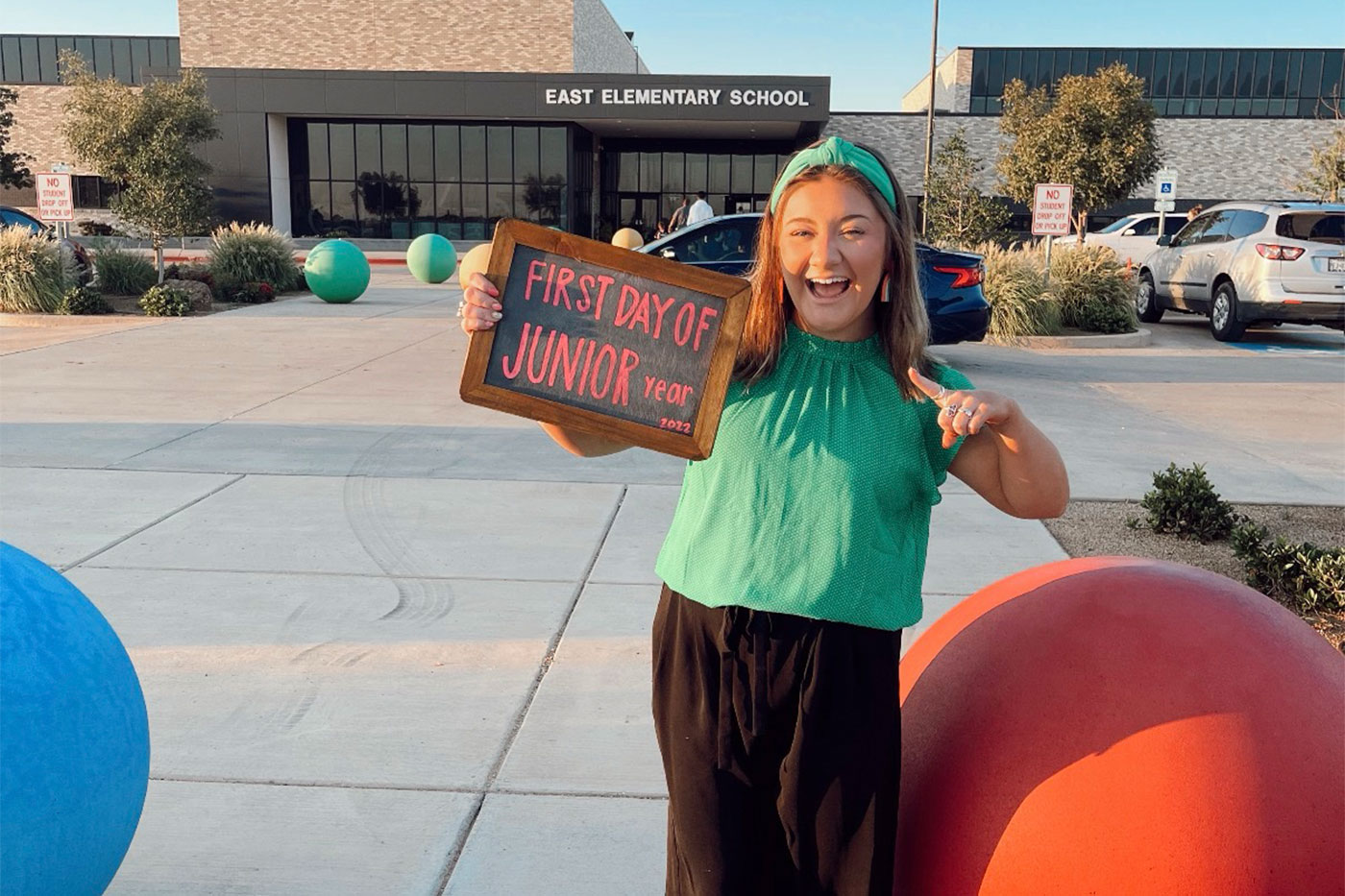
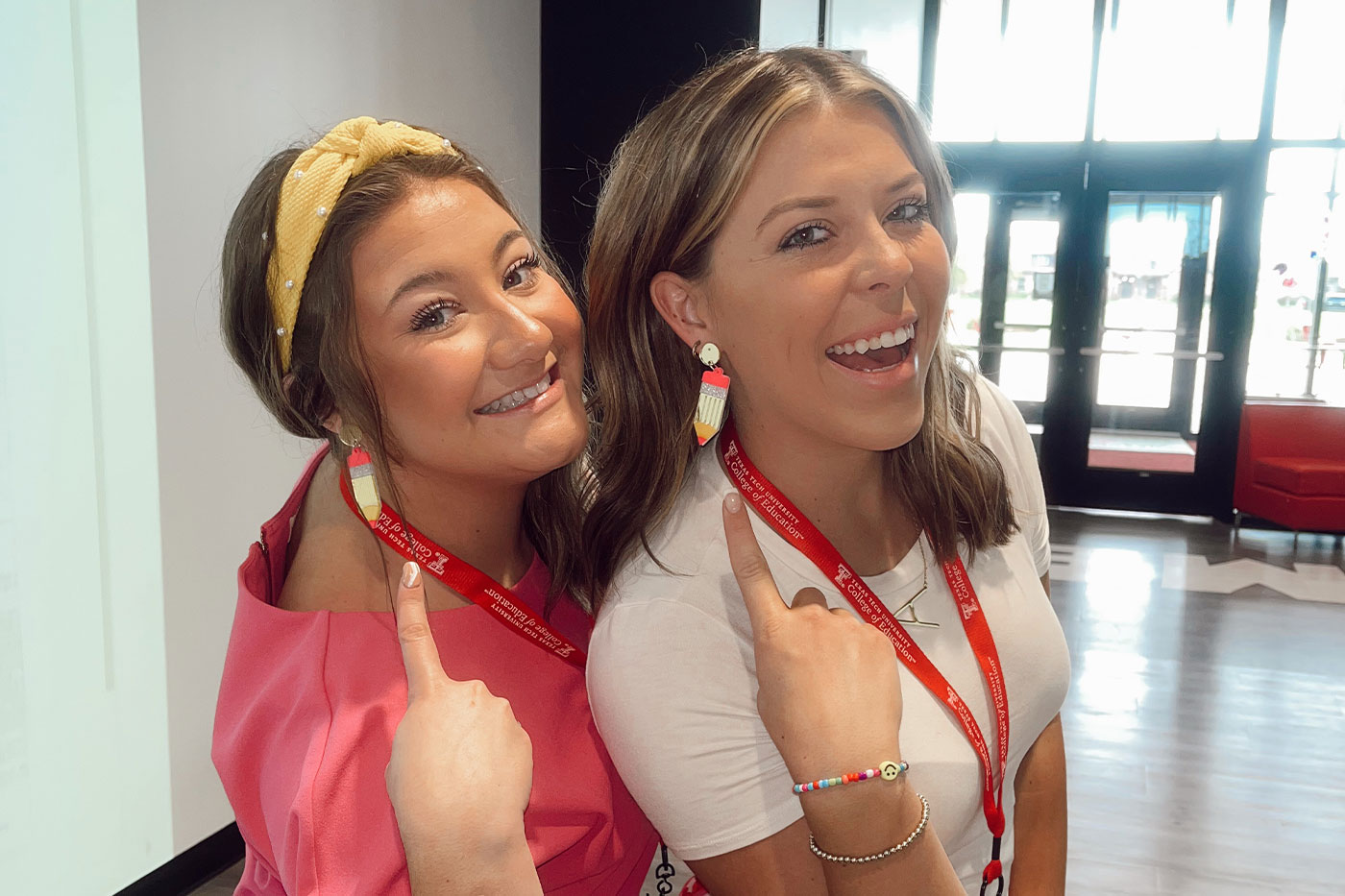 Braeley Krautsch during her TechTeach year.
Halfway through her student teaching year, an invitation arrived: Come back to campus.
Sent to every senior in the college, it included few details beyond the date, time
and location and that they needed to be there.
As Krautsch sat in the crowd with her TechTeach cohort, they chatted about what they
thought was happening, how their student teaching years were progressing and whether
they had any luck securing a job for the next year.
“We were all so stressed,” Krautsch said. “You’re trying to find a job, you’re trying
to do all the things, and you’re worried about the financial part of it because you
know, teachers aren’t making a whole lot of money. You know you’re going to have to
fund your own classroom.”
Their conversation quieted as the event began. Byron Kennedy, vice president for advancement, spoke. Then President Lawrence Schovanec. Then Jesse Perez Mendez, the then-dean of the College of Education.
Mendez delivered the news: Roxane and Ben Strickling had made a gift to the college,
and every senior in the room would receive a $1,000 scholarship.
“I remember when they told us, everyone started crying,” Krautsch said. “Everyone
behind me was crying. Everybody was just freaking out and so excited. I was just like,
‘I can’t believe people are that generous and care so much about educators because
that’s usually not what happens, ever.’”
 Braeley with Ben Strickling at the Strickling Senior Leaders Scholarship announcement.
With her scholarship, Krautsch turned a bare-bones classroom into a warm, welcoming
environment her students compare to “Candy Land.” From garage sales and Goodwill to
DIY and an Amazon wish list, she built a space where her students can learn and feel
calm and safe.
“I don’t think (the Stricklings) really understand how much of a blessing they are
to Texas Tech and to every single person going into the teaching profession,” Krautsch
said. “They’re actually making such a huge impact on so many teachers. And the fact
that they’ve impacted hundreds of classrooms is because they’re giving money to create
that supportive environment for so many kids. So, it’s not even just the teachers
they’re affecting; it’s pouring into all the students that are going into those classrooms
also.”
Gabby Dagrosa
Gabby Dagrosa’s life path has been less straightforward than Krautsch’s.
She had dreams of becoming a doctor like her father, a physician in the military.
As she worked through medical classes in high school, one thought kept crossing her
mind.
“I don’t really like this as much as I thought I would when I was a fifth grader,”
she recalled, laughing.
Considering a new career, Dagrosa thought about who had shaped her most.
She thought of Frau Rothenbusch— her German tutor, second grade teacher and principal
while her father was stationed in Germany — who inspired Dagrosa as a teacher and
as a woman.
She thought of Ms. Wahl, her sixth grade English teacher, who created a fun, competitive
environment and introduced her to books that would leave a lifelong imprint.
“There wasn’t a defining moment,” Dagrosa said. “It was more so just knowing that
medicine wasn’t it for me and looking at the consistency that had been in my life,
which was my teachers.”
Choosing a school took her two tries.
Dagrosa graduated from a 4,000-person high school in San Antonio, and she wanted to
go somewhere her classmates were not. As her fellow students dispersed to schools
across Texas, Dagrosa went to her first-choice university — which was not Texas Tech.
She quickly discovered it wasn’t right for her. She didn’t fit in. She wasn’t making
friends. She felt isolated.
When fall break arrived in October, she didn’t hesitate; she packed her bags and drove
the five-and-a-half hours to Lubbock. She was there to visit her boyfriend, a year
ahead of her at Texas Tech. But that Friday afternoon, on impulse, she went to the
College of Education and asked to speak to an advisor.
“I talked with Chris Corona, and that is who I credit with getting me here. I cried in his office,” Dagrosa said,
speaking frankly. “He sat me down and said, ‘Tell me your story. Tell me what’s going
on.’ And I told him everything that had been happening. He never made me feel pressured
to come here. He was never trying to sell something.
“He said, ‘Do what makes you happy and what makes you feel right.’ I came here on
a whim, and now I never want to leave. Texas Tech was not my first choice, but it
became the best choice.”
From that point onward, Dagrosa lived by the phrase “Lubbock or leave it,” immersing
herself in the community at Texas Tech and in the College of Education. She wanted
more than the college offered, and she told Alejandra Padgett, lead student success
specialist, as much. Lena Staton, J.C. Winchester (née Miller) and a few other students
had told Padgett the same.
Padgett connected them. Within one afternoon in 2023, they laid out a vision, wrote
bylaws and founded Teaching Techsans, a student organization dedicated to building relationships between future educators
and the Lubbock community.
The first year was spent spreading the word about the student organization and encouraging
others to join, but once they got their feet under them, they ran. They created mentor-mentee
programming, developed volunteer opportunities at the Burkhart Center for Autism Education & Research and local schools, and established college community events that have become traditions.
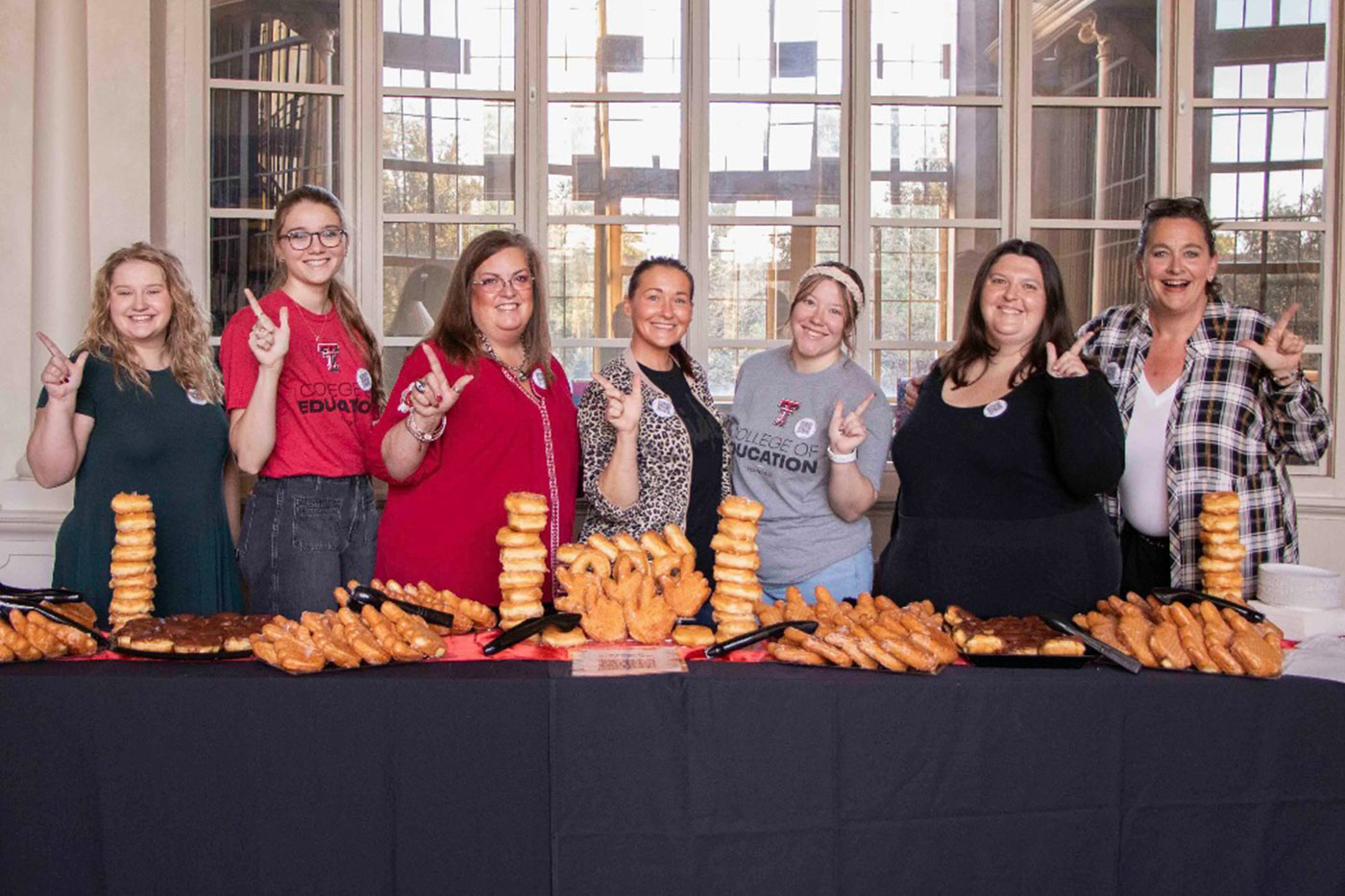
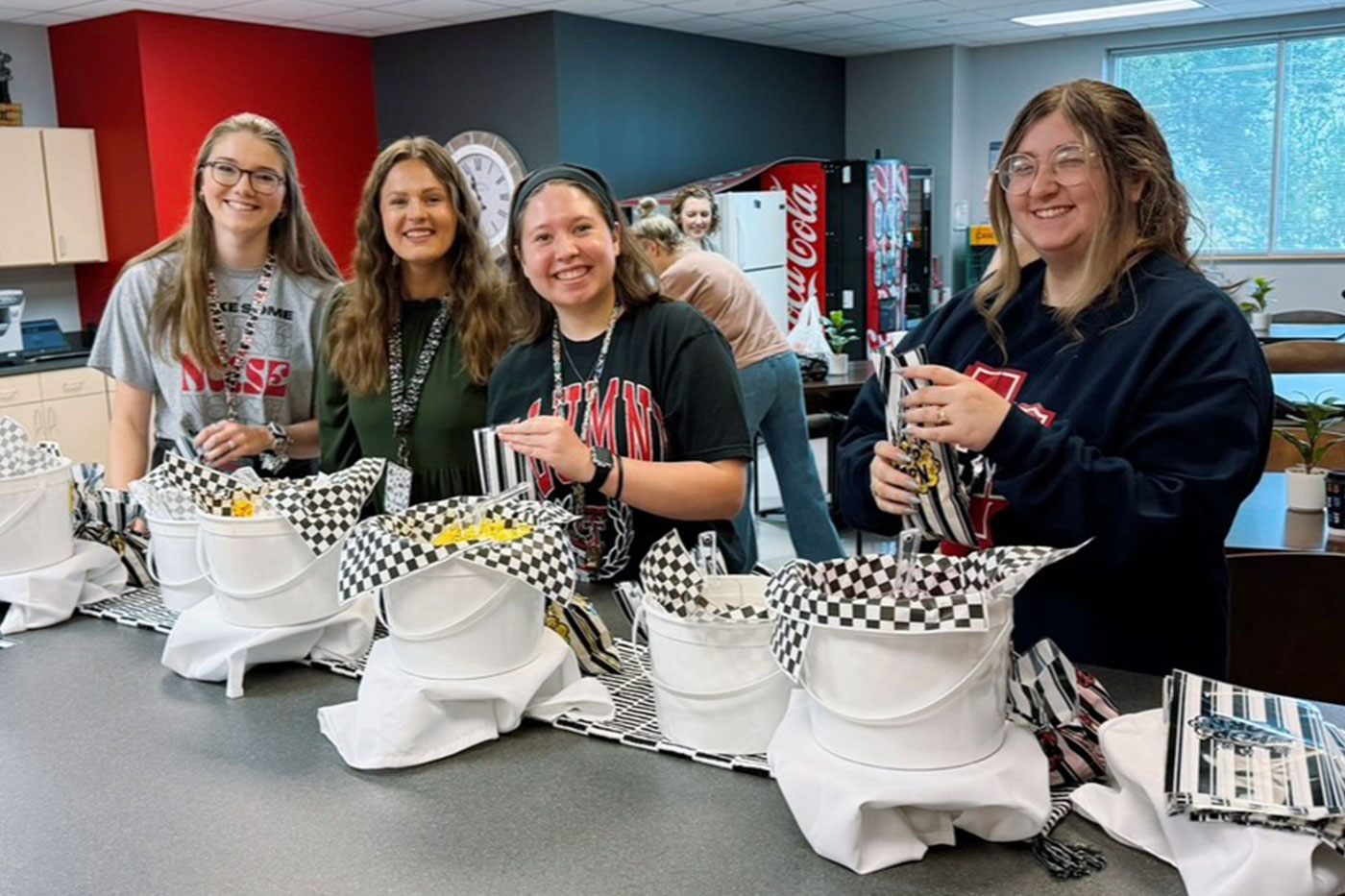
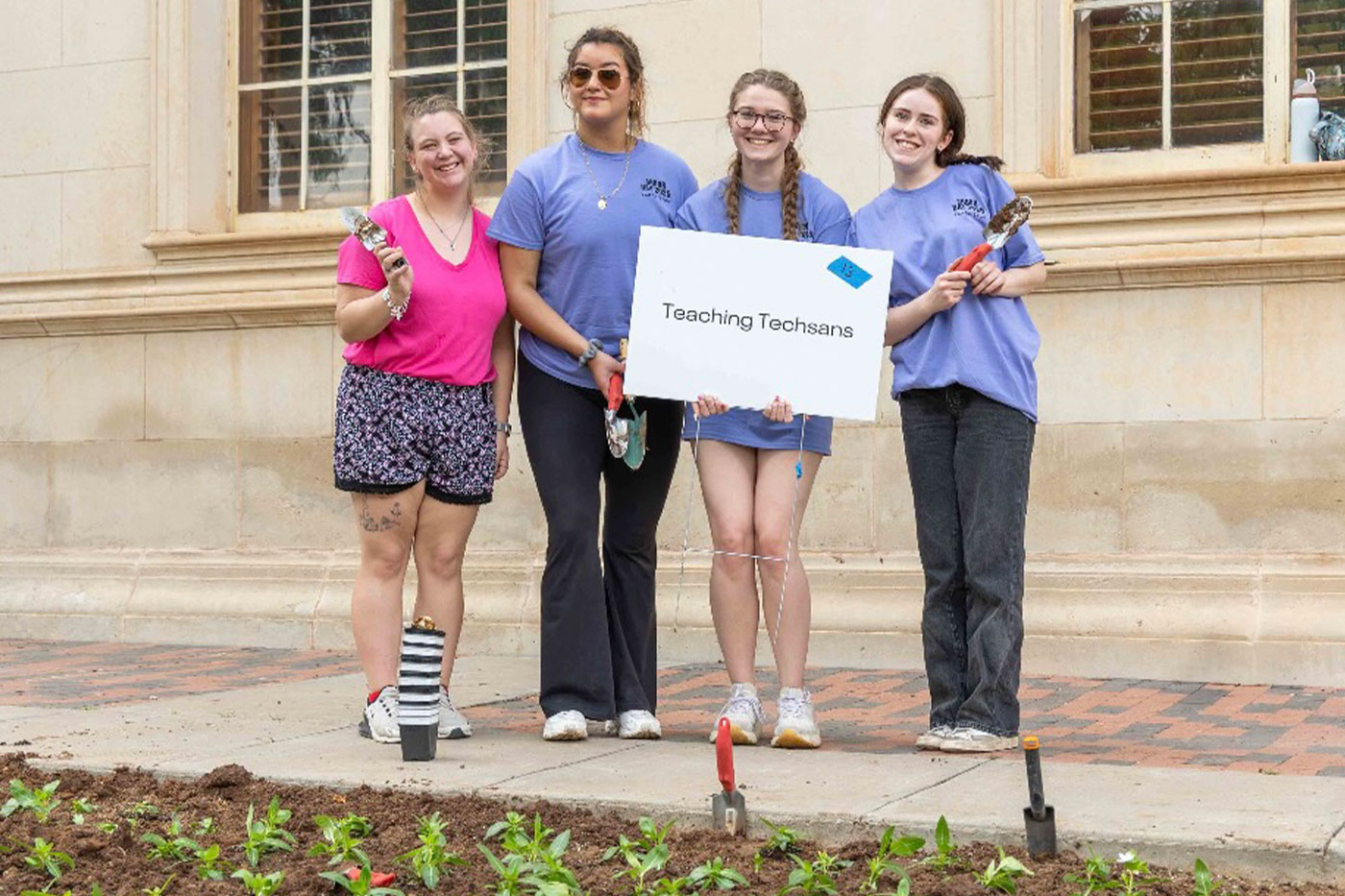
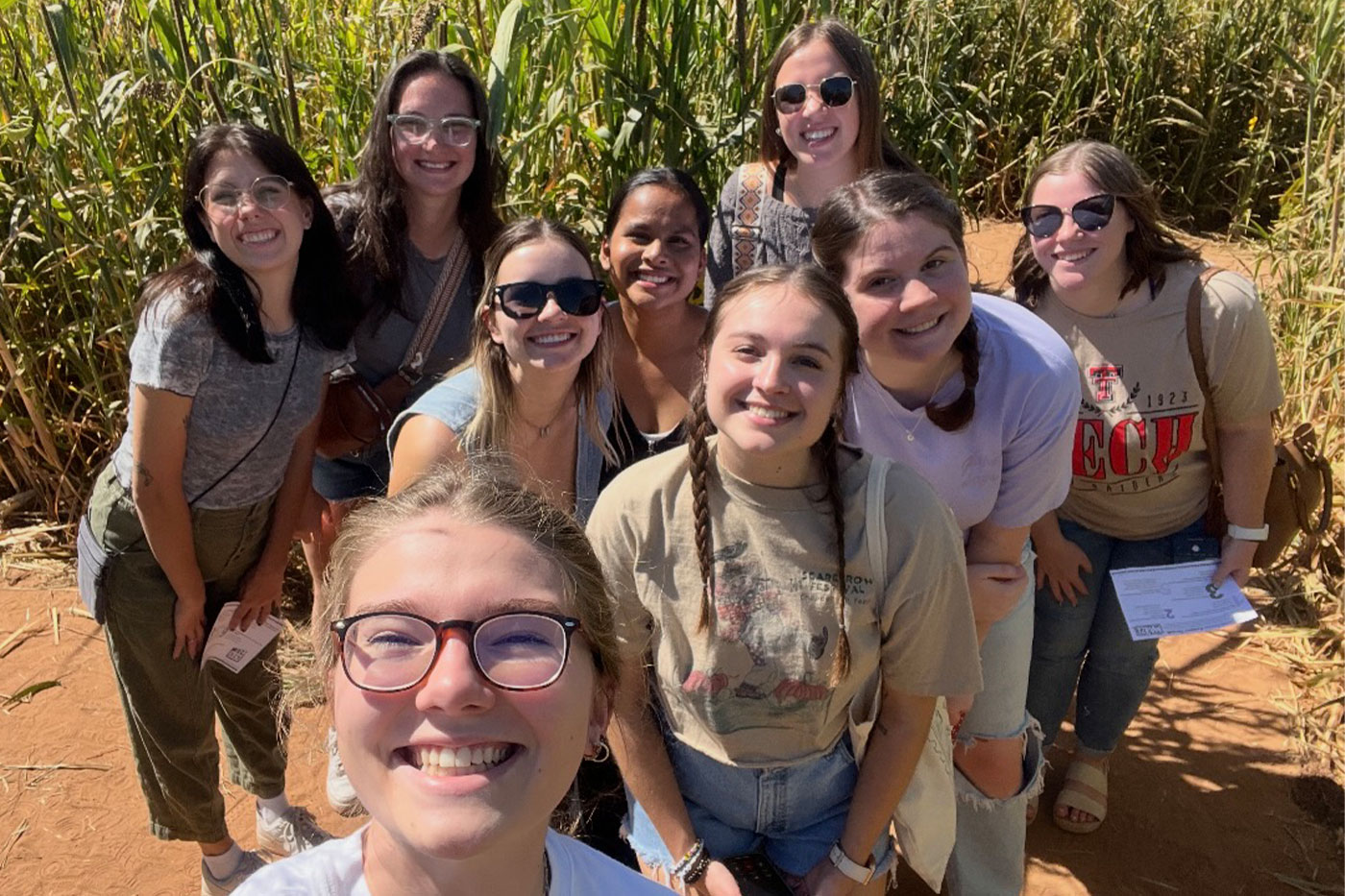 Gabby Dargrosa and her fellow students at Teaching Techsan volunteer opportunities
and organization events.
Dagrosa led Teaching Techsans as president in its second year. Under her, the group
earned nominations for the Overall Outstanding Event Award and the New Student Organization
of the Year Award from Student Involvement. Recognizing her leadership, she received the College of Education’s nomination for
the Texas Tech Parents Association Student Academic Leadership Award in both the 2023-2024 and 2024-2025 academic years.
The provost chose her as the student representative on the college’s dean’s search
committee, and faculty selected her as the spring 2026 graduation banner bearer.
Her time in the College of Education was marked by accolades. But ask about her classes,
and she talks about learning the history of education in School, Society, and Diversity
with Karen Spears.
Ask about Teaching Techsans, and she talks about her mentees Candy and Rayna, about
building mums for students with learning disabilities, about the time Dean Kamau Oginga Siwatu beat them all at a bowling event.
Ask about student teaching, and she talks about her sixth grade reading and language
arts students at Laura Bush Middle School, and about her mentor teacher, Charmynee
Arnold.
“The primary reason I’m staying in Lubbock is community,” Dagrosa said. “I think my
whole time at the College of Education with the people and the relationships that
I’ve built has shaped my desire to continue fostering meaningful relationships with
my students, with my peers and with other teachers.
“I learned throughout my time in college: Yes, the grades are important, but it’s
also important to take time and make people feel valued, spend time with people and
don’t just do it to say that you did it; do it because you wanted to do it. The College
of Education has prepared me to be a great educator because of the curriculum, but
also because of the community and the way that I’ve learned to navigate life and work
with people.”
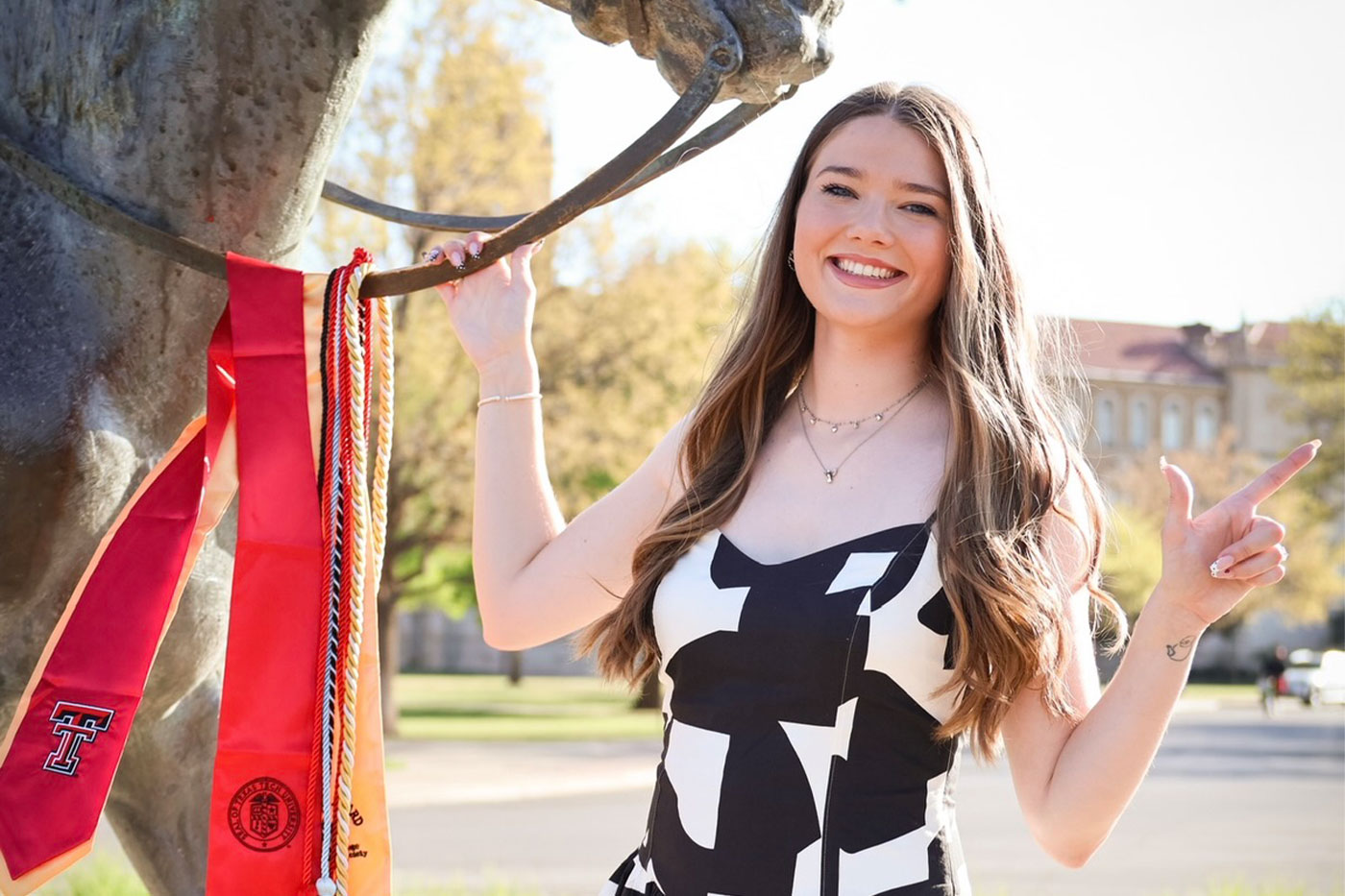
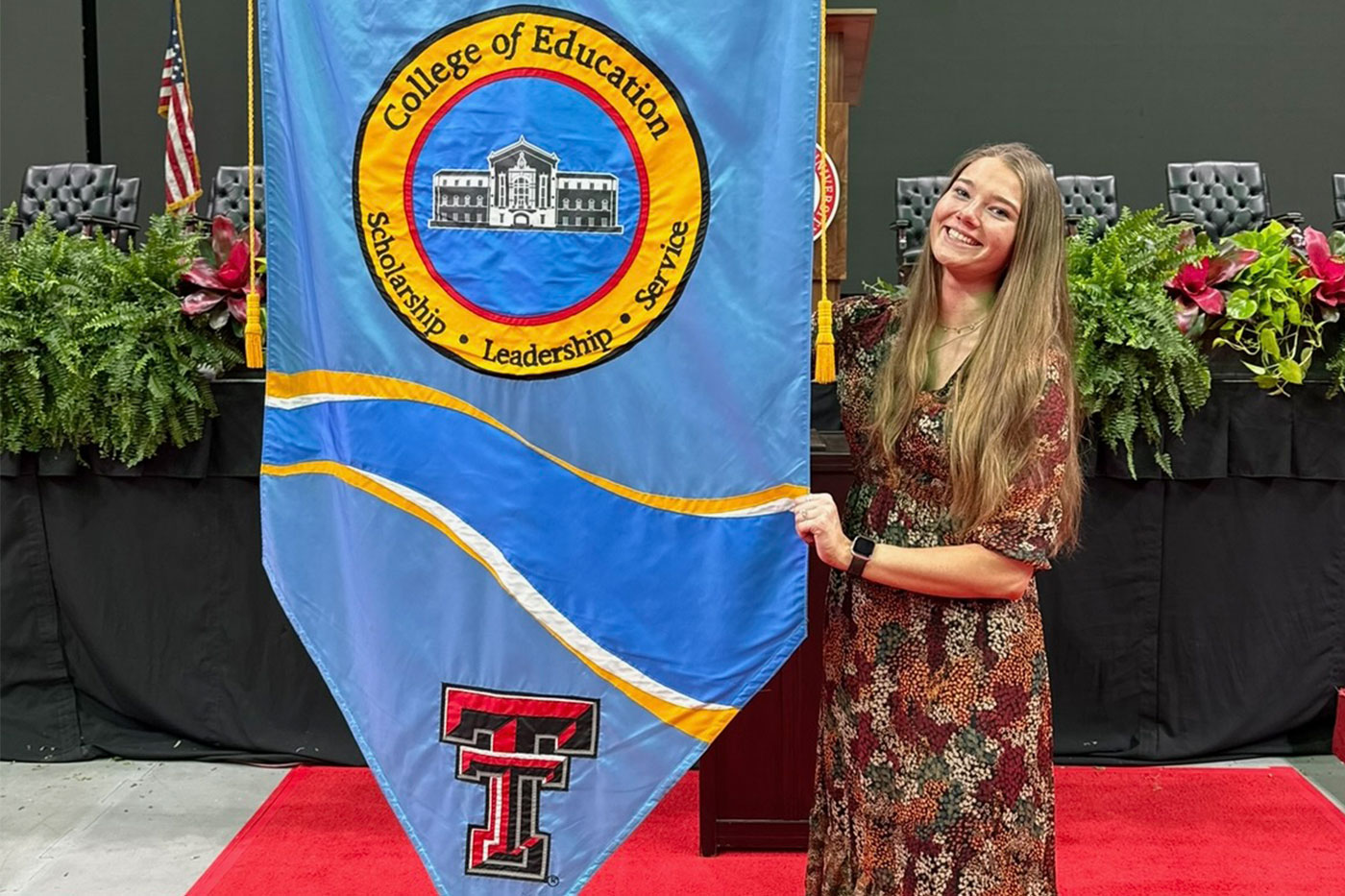
Starting in the fall, Dagrosa will continue teaching reading and language arts at
Laura Bush Middle School, moving to eighth grade. Like Krautsch, she will use her
Strickling Senior Leaders Scholarship to set up her classroom.
The Stricklings’ gift was announced in the fall of Dagrosa’s second year at Texas
Tech. Unlike Krautsch, she spent nearly three years knowing it was coming.
“I don’t think that the Stricklings realize how meaningful it is to know that you’re
supported coming out of college, but then also to know that someone has been cheering
you on since the day you stepped foot in the College of Education,” Dagrosa said.
“Knowing that that gift is waiting for you at the end of the finish line and knowing
that there is a purpose: you’ve done it, now go build a classroom and put everything
that you’ve learned into use so that you can be a successful educator. They are enabling
the next generation to do what we need to do in schools to make change and to keep
education alive.”
Katherine Kraatz
Katherine Kraatz watched her mother teach for 30 years.
From her point of view, her mother was always grading papers, always busy, always
stretched thin.
“I remember specifically thinking I will never do that,” Kraatz said, glancing back
at her own classroom on the Zoom screen behind her. “Being a teacher was the last
thing on my mind. I would’ve rather done anything than teach.”
Kraatz grew up in Minnesota, in a family where anything short of a four-year private
Christian university counted as failure. Her sister and brother had both gone to one.
Kraatz enrolled too.
Before she was scheduled to start in the fall of 2020, she decided to spend the summer
in Texas, where there were fewer COVID-19 restrictions.
By the end of the summer, Kraatz had made up her mind. She was staying in Texas.
It cost her the spot in Minnesota, and a four-year university in Texas was already
out of reach. A difficult stretch in high school had left her with a GPA that wasn’t
competitive for an out-of-state applicant, and she didn’t know how to pay for it.
Junior college was the only door open.
She found an article that said good grades there would improve her odds of transferring
where she wanted, so in spring 2021 she enrolled at Tarrant County College, a public
community college in Fort Worth.
She was making progress, but she wasn’t sure toward what. She had enrolled in several
classes, and to Kraatz’s surprise, her education class was the one she liked best.
She was still unconvinced teaching was for her. That changed when her mother prompted
her to try substitute teaching.
Kraatz substitute taught in Keller Independent School District for two years while
attending junior college, covering classes from kindergartners to seniors and everything
in between.
“I loved substitute teaching,” Kraatz said. “I got to experience the learning environment,
the different cultures and different classrooms, being around the teachers, just seeing
education from behind the curtain.”
She knew she wanted to teach, but Tarrant County College didn’t offer all the courses
she needed for her teaching certification. In her discussion groups, one name kept
coming up: Texas Tech. She started researching whether it had something that would
work for her.
She had two children, a 1-year-old and a 2-year-old, and couldn’t afford a four-year
university while caring for them. She was trying to leave a relationship she described
as unhealthy and unsafe. What she needed was a way to finish a degree without staying
where she was.
Then she found the TechTeach Fast Track (2+1) model.
The Fast Track model lets candidates finish their upper-level coursework and student
teaching in one calendar year, online, through a partner school district in their
region.
The more Kraatz researched, the more she was certain this program was the path to
a better life for her and her children.
She applied and was accepted. Because Fast Track placed candidates with partner districts
across the state, she could choose where — and she chose somewhere else. Her community
college grades earned her grants and scholarships, and the district where she student-taught
paid her a salary.
“In a lot of ways, the TechTeach program saved my life,” Kraatz said, “because I don’t
know where my kids and I would be without that program allowing me to relocate to
a different part of Texas. Every cent I earned went toward feeding my children, keeping
us alive and keeping us safe.”
The program was online, which she assumed would mean distance. It wasn’t — she developed
close relationships with faculty and staff in the College of Education.
Just two weeks into attending Texas Tech, Kraatz found out she was pregnant with her
third child. When she told her professors she would need to be out for doctor’s appointments,
she expected a one-line acknowledgment: OK, sounds good.
Instead, the replies came back as questions: How’s the baby doing? How are you doing?
How can I support you?
“Even though I went through the College of Education mostly online, and I was separated
from campus, I still felt like I got to know the people; I still got the Texas Tech
experience,” Kraatz said. “It’s a family. It’s a legacy. They care so much about education,
but not only education — the individual teachers that walk through their doors.”
Kraatz graduated with her bachelor’s degree and teaching certification in 2025 and
is now a fourth grade reading teacher in Snyder Independent School District. She met
her now-husband, a fellow Texas Tech alumnus. They married at the club level of Texas
Tech’s Galaxy Stadium, surrounded by family, friends and professors and staff from
the college.
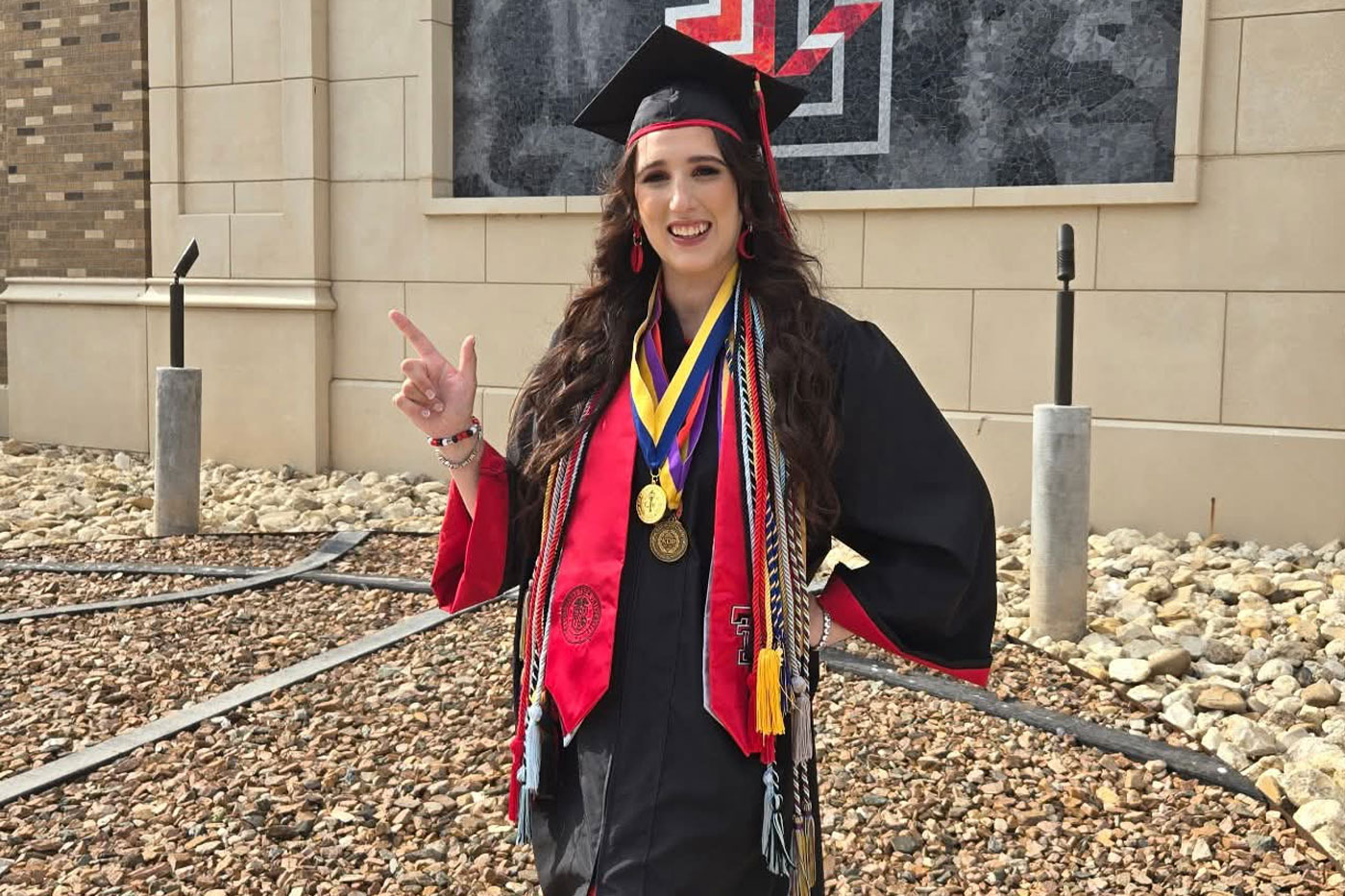
 Katherine Kraatz celebrated her graduation and marriage in the same year.
Kraatz credits the people who got her this far. Whether it was the professors who
checked in on her, those who pushed her to go the extra mile or the donors who gave
to scholarship programs, they are still impacting her today.
This includes the Strickling Senior Leaders Scholarship. Kraatz used it to build what
she believes is the largest teacher library in Snyder ISD, a collection that ranges
from preschool and kindergarten reading levels to books she would read herself. She
also purchased whiteboards, markers, and engagement and sensory tools — all aimed
at literacy.
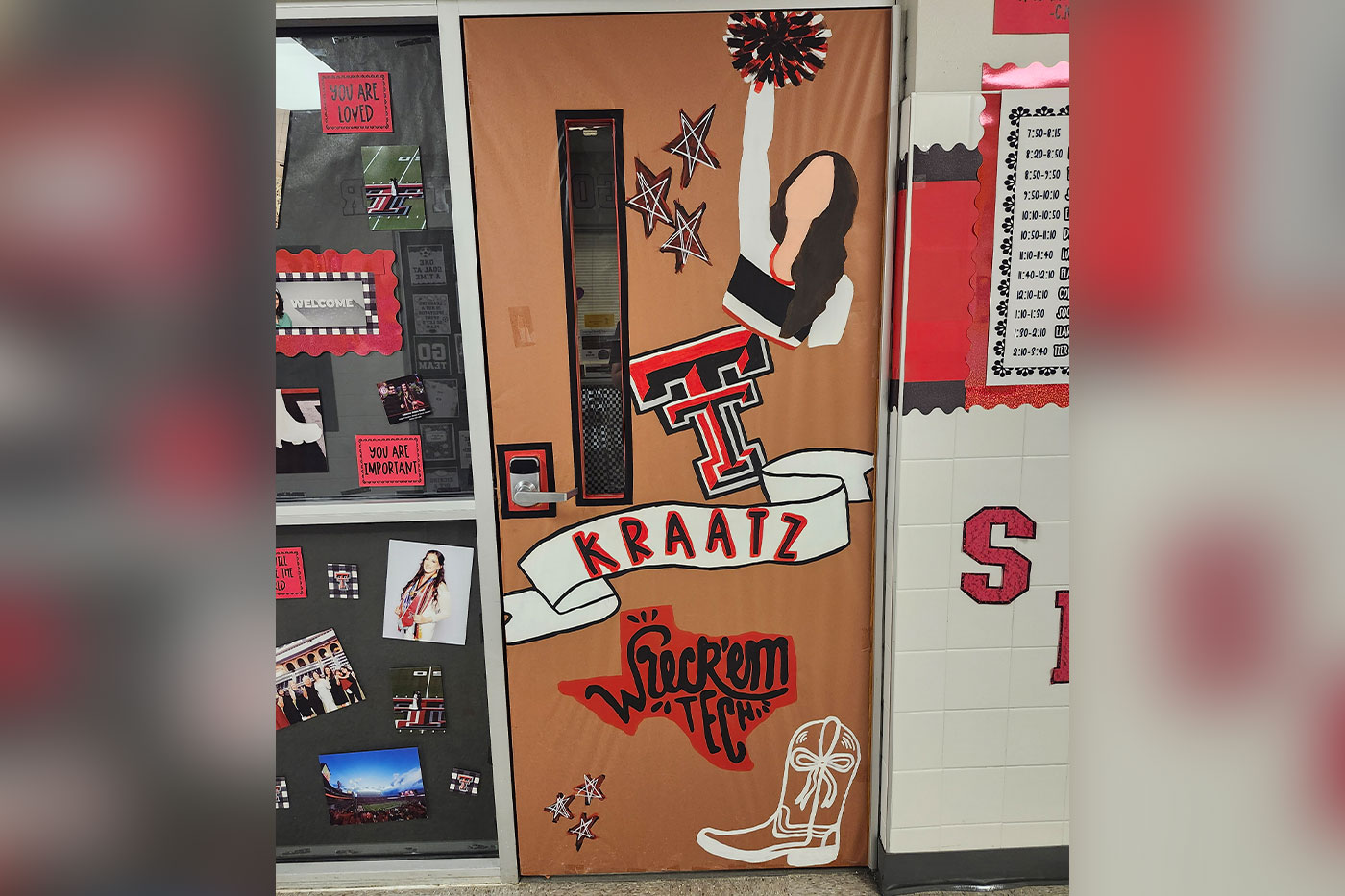
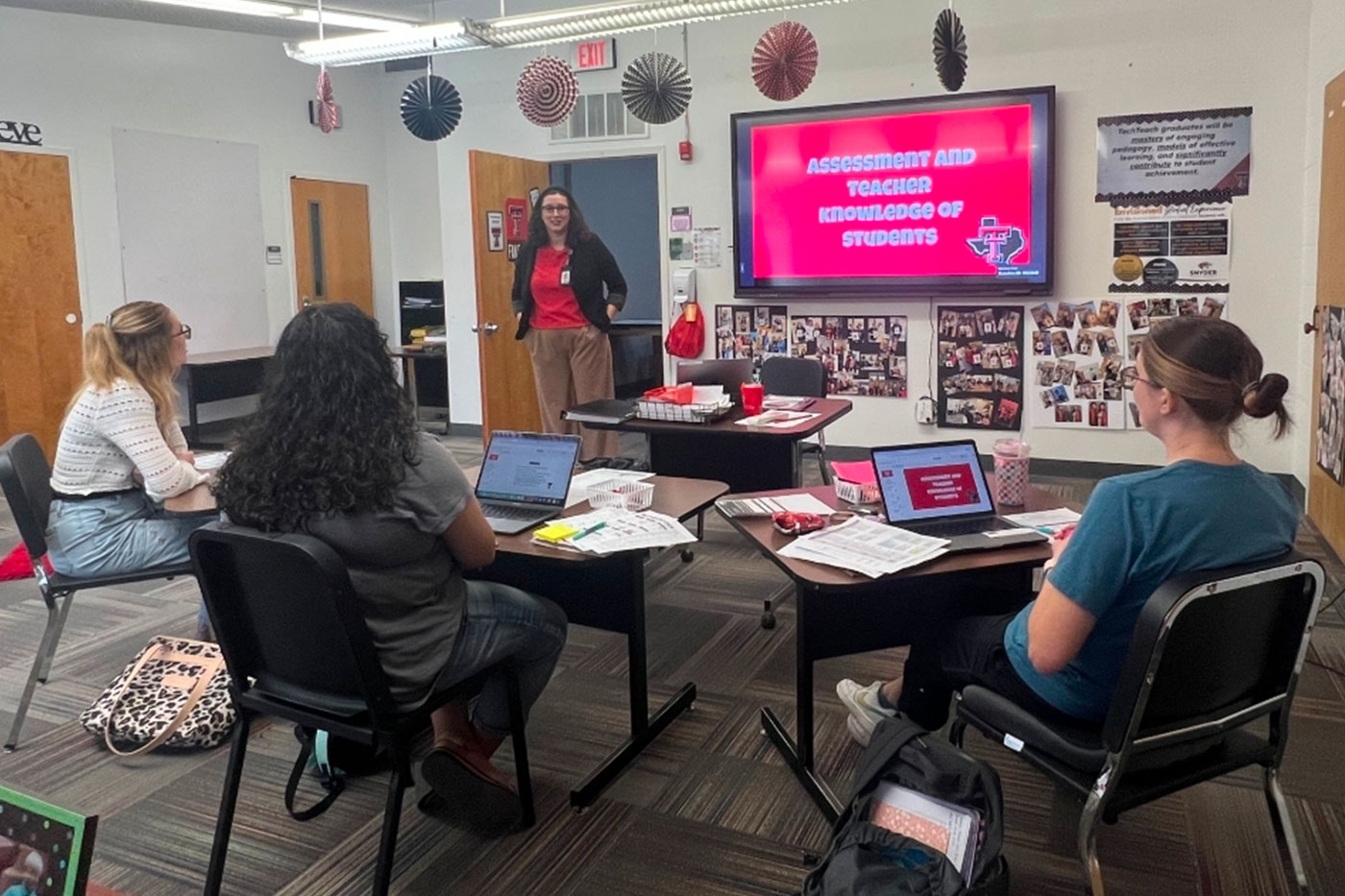 (Left) Katherine’s door decorations for her classroom in Snyder. (Right) Katherine
presenting in her classroom.
Early returns are good. On MAP Assessments, a Student Growth Percentile (SGP) of 50
represents average growth over a school year.
Kraatz’s students had an average SGP of more than 70.
“I think that has a lot to do with my push for literacy and access to books and the
love of reading I gave to my children (her students), and that came directly from
the Strickling scholarship,” Kraatz said. “There is a lot of legacy backing you up
in the education world at Texas Tech, including the Strickling family, and it gives
you a sense of ‘We have your back. We’re here for you.’”