
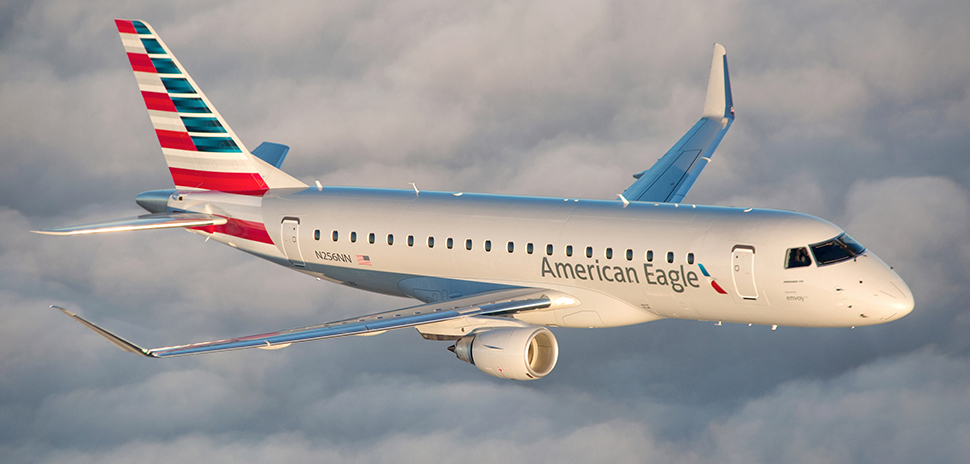
Fort Worth-based American Airlines has flown what it says is the first U.S. commercial passenger flight to use synthetic jet fuel made from waste carbon dioxide and renewable electricity, delivered through a commercial airport’s fuel system. The flight landed at Dallas Fort Worth International Airport.
The electro sustainable aviation fuel, or eSAF, came from California-based Infinium’s Pathfinder facility in Corpus Christi. American and Infinium said the batch represented the first delivery of sustainable aviation fuel made without biobased feedstocks to a commercial airport in the United States.
“This flight represents a significant moment for aviation,” American CEO Robert Isom said in a statement. “Through our partnership with Infinium, we’re demonstrating how next generation technologies like eSAF can move from early investment to real-world application. Scaling SAF production at lower prices is essential to reducing emissions, strengthening our long-term competitiveness, and continuing to deliver the connectivity and economic benefits that our customers rely on.”
How the fuel reached the airplane
Infinium describes Pathfinder as the world’s first commercial-scale power-to-liquids eFuels production site. The batch was blended with conventional jet fuel. It then was tested against the ASTM International specification for Jet A, certifying it for use in today’s aircraft engines and fueling infrastructure without modification. It was then delivered into the common jet fuel tanks at Corpus Christi International Airport and allocated to the American flight bound for DFW.
Infinium said its eSAF can cut lifecycle greenhouse gas emissions by more than 90% compared with conventional petroleum-based jet fuel while moving through the same pipelines, tanks and fueling equipment airlines already use.
“Adding eSAF to our product slate — and seeing it power a commercial passenger flight — marks another meaningful step forward in bringing practical, low-carbon fuel solutions to industry,” Infinium CEO Robert Schuetzle said in a statement.
Bigger plant due in 2027
American holds an offtake agreement for commercial volumes of eSAF from Infinium’s Project Roadrunner, a larger power-to-liquids plant now under construction. The offtake is supported in part by a separate agreement with Citi to enable Scope 3 emissions reductions from employee travel. Breakthrough Energy Catalyst and Brookfield Asset Management are financing the project, with nonrecourse project debt from HSBC. Production and deliveries are expected to begin in 2027. Once it reaches full capacity, Project Roadrunner is expected to produce more than 5 million gallons of eSAF a year.
“This first-of-its-kind eSAF flight from American Airlines and Infinium is an important step for lower carbon aviation and we are proud to support this effort with our long-time partner,” Citi Head of Enterprise Services and Public Affairs Edward Skyler said in a statement. “Given the potential SAF has on reducing emissions, we look forward to efforts to scale its production.”
Where things stand with sustainable aviation fuel
Aviation consumes nearly 100 billion gallons of jet fuel a year, and global air travel exceeds 4 billion passengers annually. Sustainable aviation fuel accounts for less than 1% of jet fuel used worldwide, the companies said.
The Infinium flight comes two months after American and Google signed what the companies called a record-breaking sustainable aviation fuel certificate agreement. That agreement covers 35 million gallons over three years, with the physical fuel going to Chicago O’Hare International Airport.
In April, Infinium’s Project Atlas was selected to supply fuel under the Sustainable Aviation Buyers Alliance’s next-generation procurement. American serves as the end-use airline in what Infinium called its second eSAF agreement with the carrier.
American is also a cornerstone investor, alongside Alaska Airlines, in the $150 million sustainable aviation fuels fund launched by Fort Worth-based oneworld alliance with Breakthrough Energy Ventures.
Don’t miss what’s next. Subscribe to Dallas Innovates.
Track Dallas-Fort Worth’s business and innovation landscape with our curated news in your inbox Tuesday-Thursday.
R E A D N E X T
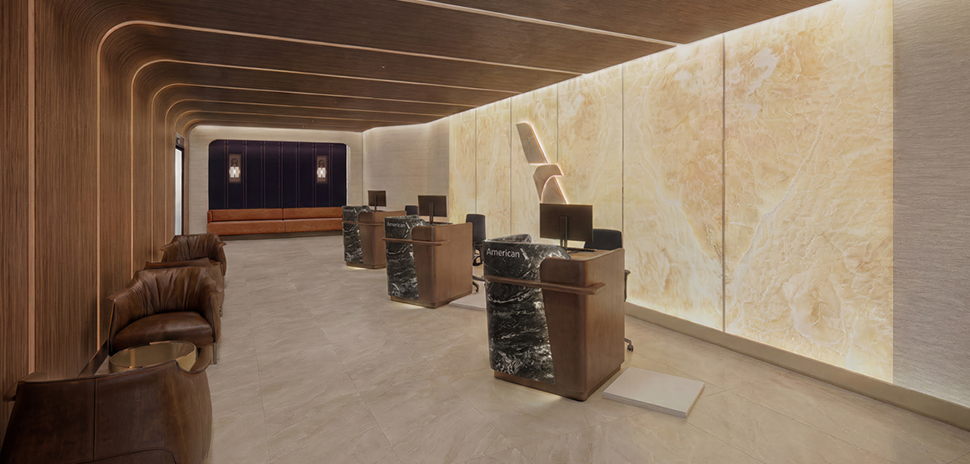
The Fort Worth-based carrier’s latest investments include a private check-in experience in Terminal D, its largest-ever Admirals Club lounge in Terminal C and a grab-and-go lounge concept in the future Terminal F.
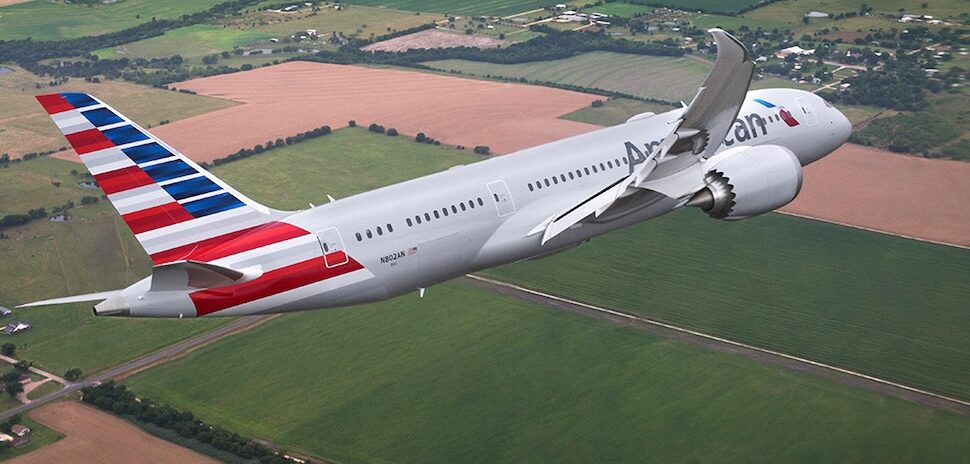
Under the agreement, American will purchase and take delivery of SAF for Chicago O’Hare International Airport. In turn, Google will receive the environmental benefits to help address its emissions from employee business travel via the SAFc Registry. The agreement strengthens American’s “longstanding commitment to SAF,” the Fort Worth-based airline said.
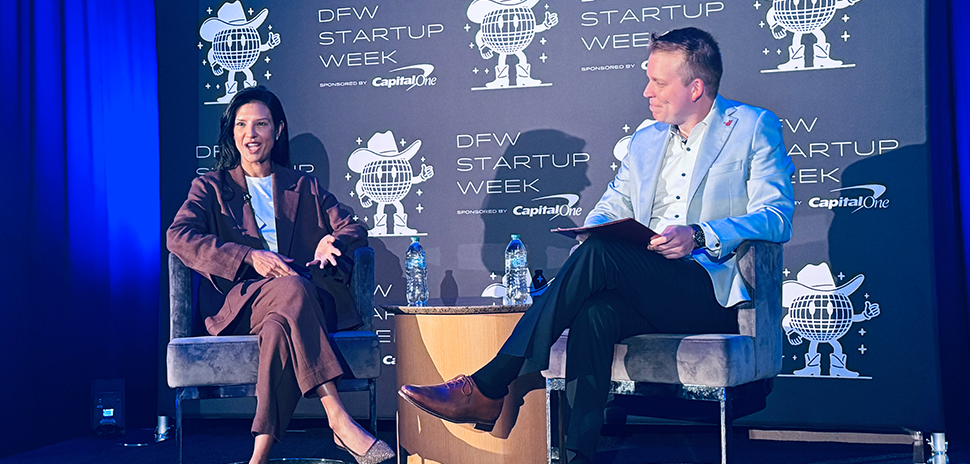
The Spears Institute’s new global ambassador told founders that infrastructure is what lets creativity scale. The event continues through Thursday with more than 40 sessions and a closing keynote from Colossal Biosciences CEO Ben Lamm.
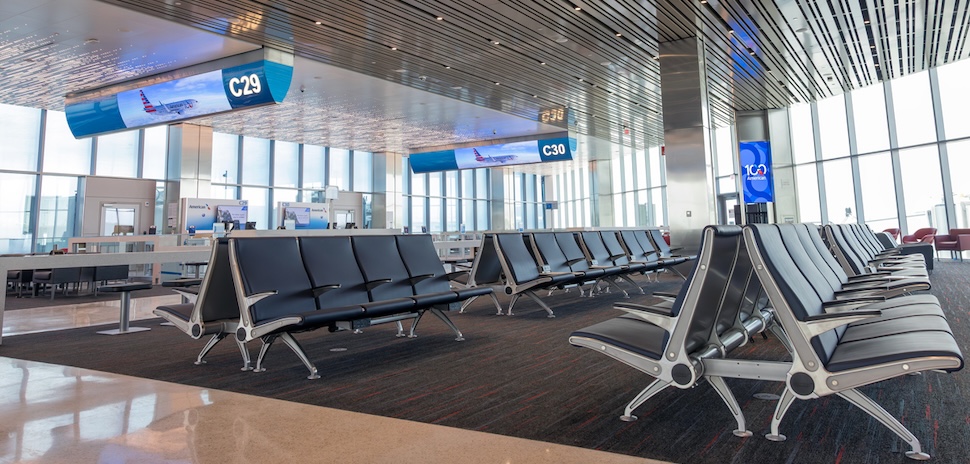
Equipped with industry-leading technology, new concessions, seating, restrooms, and a spacious, modern design, the nine new gates are the first part of a major rebuild of Terminal C using a modular construction technique to reduce the impact to operations and accelerate construction.

The fast-casual poke chain considers North Texas ‘incredibly welcoming’
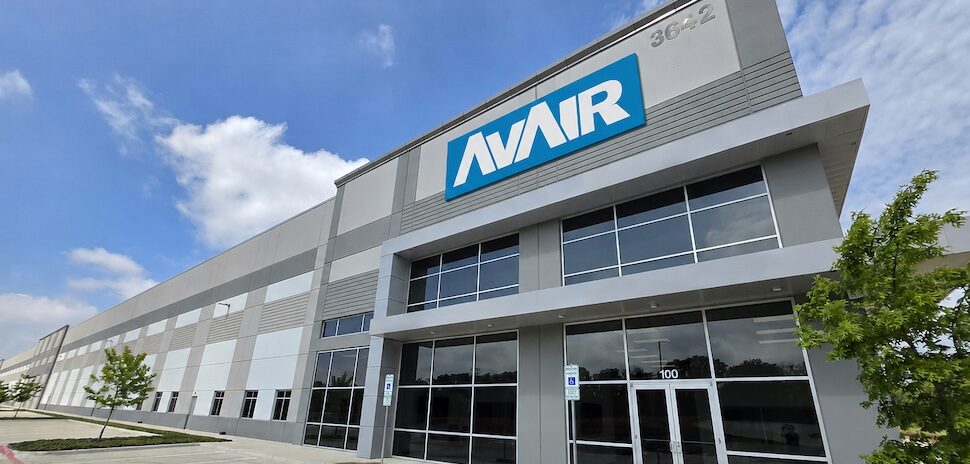
AvAir said its team would take advantage of North Texas’ central U.S. location to support distribution and faster nationwide delivery—which it called “critically important” when airlines need parts quickly to avoid aircraft-on-ground situations.
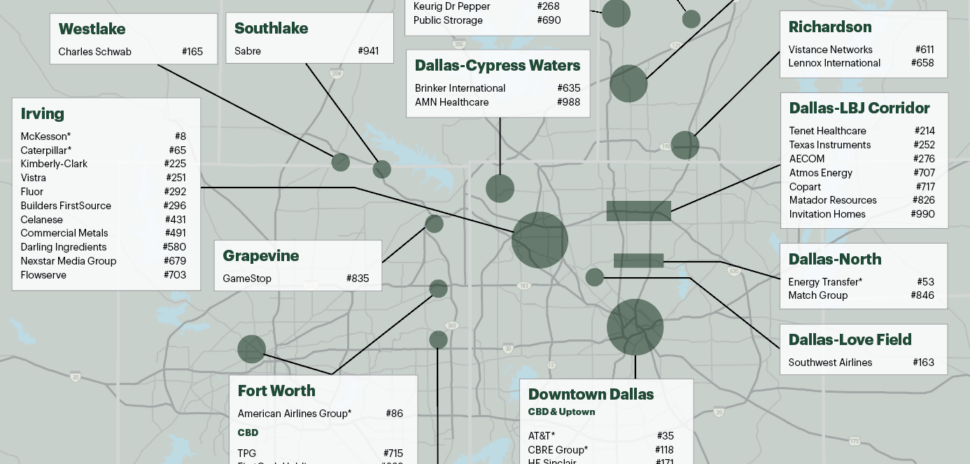
Dallas holds 21 of the region’s 49 Fortune 1000 headquarters, with the rest fanning out from Irving and Plano to Frisco and Fort Worth. “Growth is happening in every direction,” Dallas Regional Chamber CEO Brad Cheves says.