
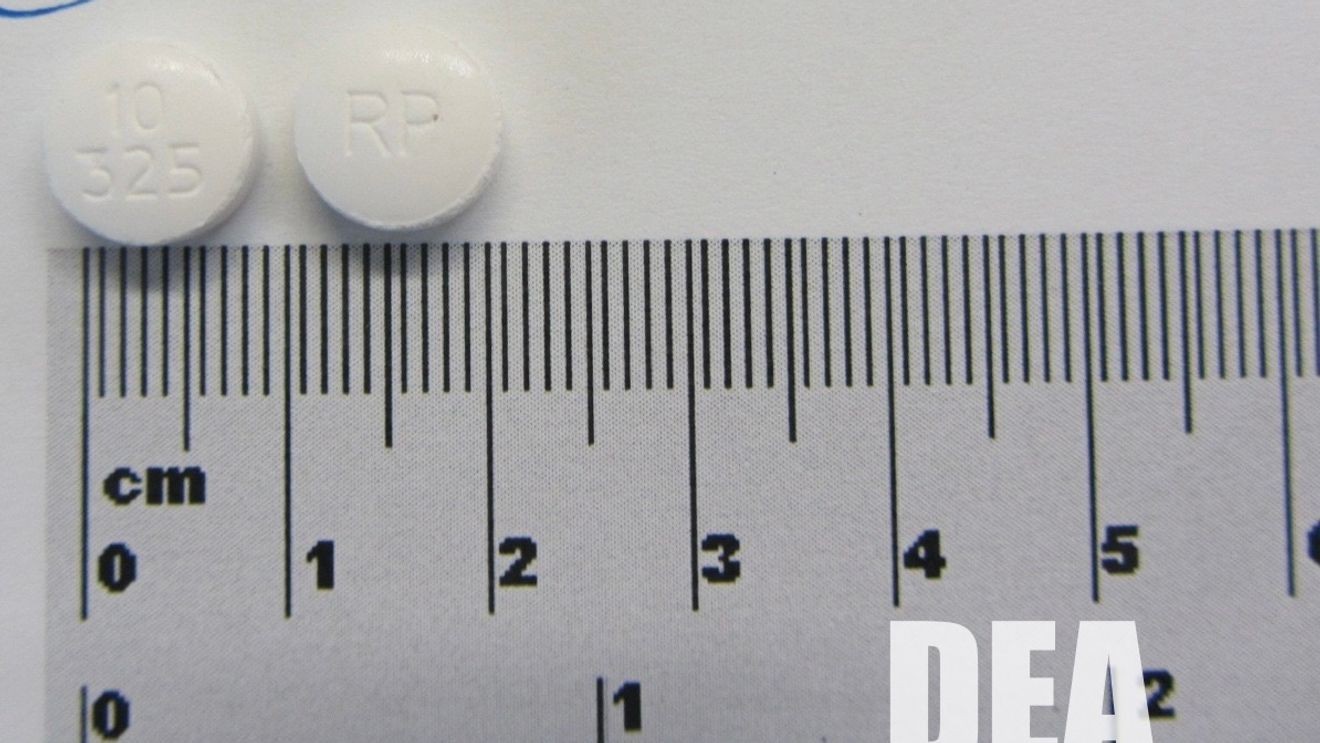
SAN ANTONIO — A powerful synthetic opioid linked to fatal overdoses across the country has reached Texas, prompting warnings from health officials and an effort by federal agents to get ahead of the emerging threat.
The drug is called cychlorphine.
Cychlorphine can be difficult to detect, and health officials warn people may not know it is mixed into the drugs they are taking.
Dr. Alex Krotulski, director of toxicology and chemistry at the Center for Forensic Science Research and Education, said laboratory research indicates the drug is about 10 times more potent than fentanyl.
Cychlorphine has been found in pills and powders, often mixed with other substances. That means the people taking it may not know it is there.
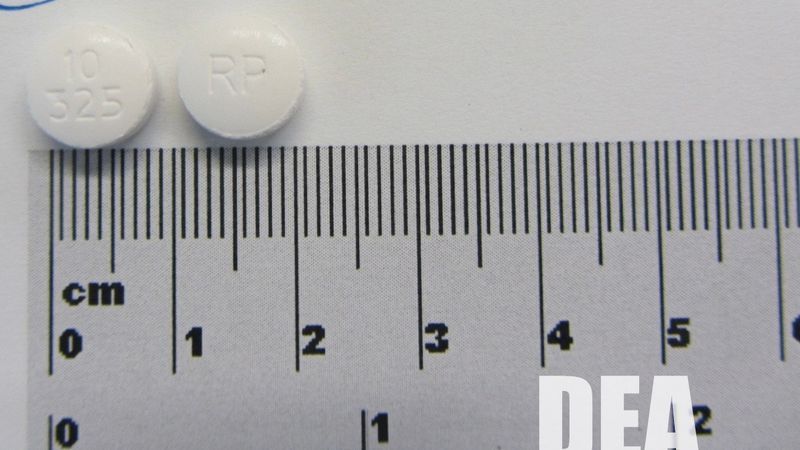
The DEA is on the lookout for cychlorphine, a synthetic opioid that could be ten times more potent than fentanyl. It’s been found in pills, powders, or disguised and mixed with other drugs (DEA)
That uncertainty is disturbingly familiar to Chris Wolf.
“A lot of the overdoses I experienced or I was around was due to us not knowing fentanyl was in the drugs we were using,” Wolf said.
Wolf was using heroin when fentanyl began changing San Antonio’s illicit drug supply. He said people often did not realize fentanyl was present until someone stopped breathing.
“I think I was probably one of the first people in San Antonio to be Narcaned by a police officer. At least that’s what the police told me,” Wolf said.
Wolf survived his own struggle with addiction and now works as a program support analyst with the Center for Health Care Services, helping connect other people with treatment and recovery resources.
New synthetic opioid reaches Texas; officials warn it’s 10 times stronger than fentanylCYCHLORPHINE DANGERS_CJT.0003_frame_1870.jpeg
Deaths reported in Texas
The Center for Forensic Science Research and Education tracks reports from forensic laboratories across the United States and Canada.
Krotulski told the News 4 I-Team that approximately 140 deaths have been associated with cychlorphine. He said 23 of those deaths were in Texas.
The center has detected cychlorphine both as the only opioid present in some cases and alongside substances including fentanyl, oxycodone, methamphetamine and cocaine.
“The concern really is that within the drug supply, you never know exactly how much of that drug is going to be present,” Krotulski said.
At least five fatal poisonings have been reported in the Houston area.
Assistant Special Agent in Charge Ben Post said the Drug Enforcement Administration has not detected cychlorphine in San Antonio, but agents are closely watching its spread.
“The good news for San Antonio is we’ve not seen it here,” Post said. “The places that have seen it in Texas are the metropolitan areas of Dallas and Houston. But we’re always trying to be a step ahead of that.”
New synthetic opioid reaches Texas; officials warn it’s 10 times stronger than fentanyl
Difficult to detect
Detecting cychlorphine is part of the problem.
The drug may not appear on routine drug screenings, and fentanyl test strips are not designed to detect it.
“It can lead to overdose very quickly,” Bexar County Public Health Director Dr. Andrea Guerrero said.
Naloxone, commonly sold under the brand name Narcan, can reverse the effects of an opioid overdose involving cychlorphine.
“It actually does work,” Guerrero said. “It just takes a much larger dose of Narcan.”
Bexar County advises people to administer Narcan as soon as they suspect an opioid overdose and seek emergency medical care, even if the person wakes up. Naloxone temporarily reverses an overdose, but its effects can wear off.
Guerrero said Bexar County has invested millions of dollars to keep naloxone available locally and plans to continue supporting overdose-prevention efforts.
“Bexar County Commissioners Court has invested millions and will continue to invest millions because we know that this is an issue that affects not just the individual person, but it affects families, it affects generations,” Guerrero said.
The Bexar County Public Health Department also offers workshops that teach people how to recognize an overdose and administer Narcan. The county says free Narcan is distributed during the workshops.
For Wolf, the rise of another difficult-to-detect opioid makes access to Narcan even more critical.
“It’s a lifesaving tool,” Wolf said. “It’s something that should be as widespread as CPR or the Heimlich maneuver.”
DEA calls it an “arms race”
The DEA is also trying to get cychlorphine off the streets.
In July, the agency published a notice of its intent to temporarily place cychlorphine—formally known as N-propionitrile chlorphine—and three related synthetic opioids into Schedule I of the Controlled Substances Act.
Once the temporary order is issued, the substances will be subject to the federal regulatory controls and criminal penalties that apply to Schedule I drugs.
Post said federal agents face an ongoing challenge as illicit drug manufacturers introduce new synthetic substances or alter their chemical structures.
“It’s almost like an arms race where they’re always trying to find something that’s going to be more potent, more powerful,” Post said.
Agents know scheduling one drug will not end the broader threat. As the DEA moves against cychlorphine, laboratories are already watching for whatever substance may take its place.
The name may change, but the danger will not.
Where to get help in Bexar County
Anyone seeking help for substance use can contact the Center for Health Care Services.
24-hour Crisis and Substance Use Helpline: 210-223-7233 or 800-316-9241Substance use services: 210-261-1250Routine appointments: 833-501-2427Opioid addiction treatment and residential detoxification: 210-261-3001
CHCS offers substance use treatment, residential detoxification and medication-assisted treatment for people with opioid addiction. The agency says services are available regardless of a person’s ability to pay, with fees based on income and family size.
Where to get Narcan
The Bexar County Public Health Department offers public workshops on recognizing an opioid overdose and administering Narcan.
UT Health San Antonio has a program for free Narcan delivery.
Naloxone Texas has links for organizations and individuals to get naloxone and evidence-based training.
They have a regional distribution option through Corazon Ministries at 504 Ave. E., San Antonio, TX, 78215.
Narcan should be given immediately when an opioid overdose is suspected. Call 911 after administering it, even if the person wakes up, because its effects can be temporary.
Anyone experiencing an overdose or another immediate emergency should call 911.