
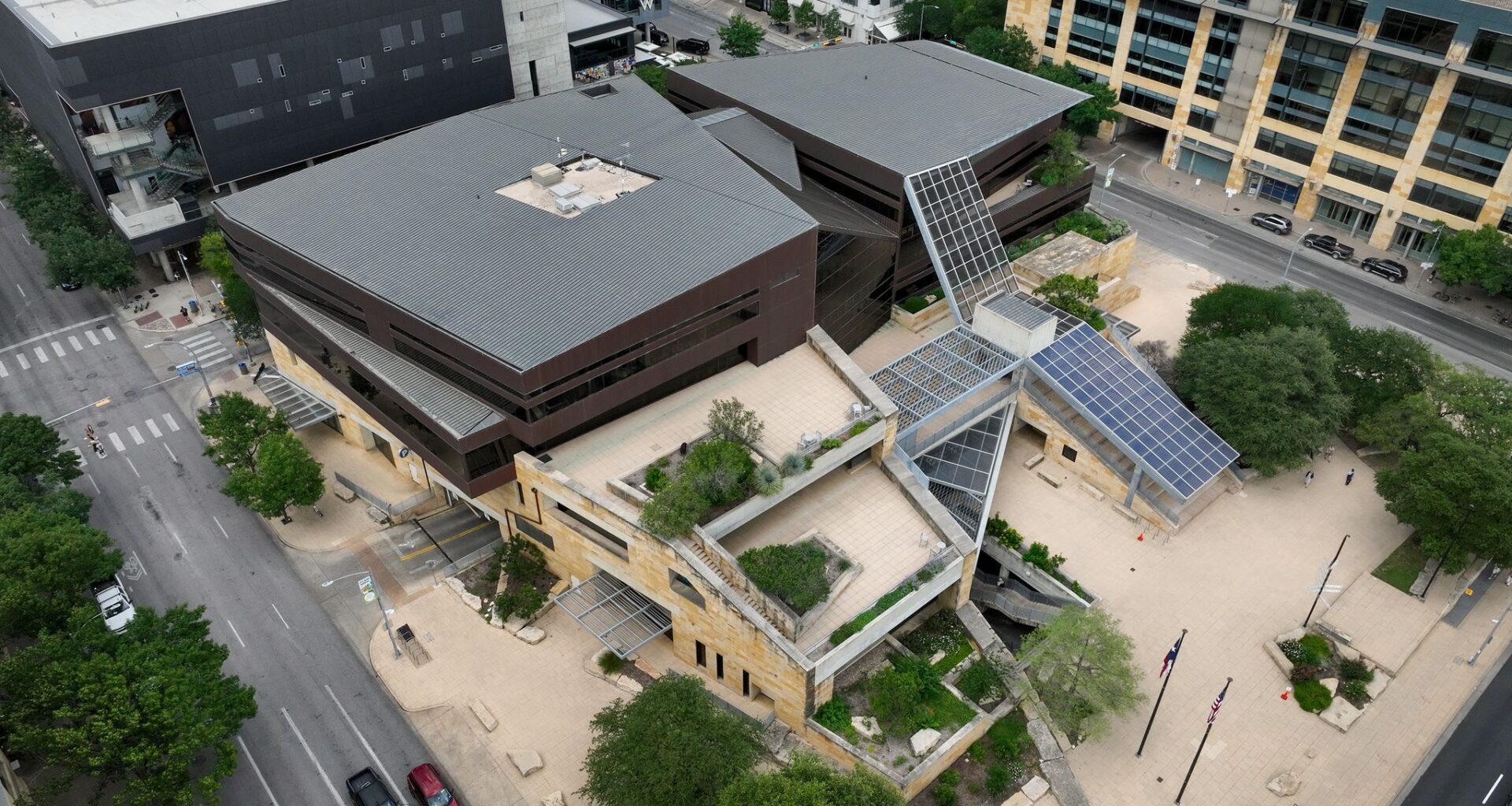
Austin City Hall on Monday, May 18, 2026.
Jay Janner/Austin American-Statesman
Restoring social services, borrowing tens of millions for transportation projects and shrinking a proposed property tax increase are among the biggest changes Austin City Council members want to make to City Manager T.C. Broadnax’s $6.6 billion budget.

Council will debate the amendments and begin adopting the budget Aug. 12.
Article continues below this ad
(From left) Councilmember Natasha Harper-Madison, City Manager T.C. Broadnax and Mayor Kirk Watson listen to council deliberations ahead of a vote over the Dogs Head development at an Austin City Council meeting July 23.
Justin Doud/Austin American-Statesman
Restore social services funding
One of the biggest fights over Broadnax’s budget has centered on his proposed $5 million cut to social services, one of the primary ways he sought to balance the budget.
Most council members want to restore at least some of that money. The question has been how to pay for it — particularly after the city learned last week it would collect an additional $4.7 million in property tax revenue. The revelation immediately sparked a debate about how to use the windfall.
Article continues below this ad
City staff originally proposed putting the $4.7 million into two housing assistance funds. Council Member Vanessa Fuentes and four colleagues instead proposed steering it to social services.
On Thursday, Mayor Kirk Watson helped develop a compromise that would fund both priorities by shuffling money within the city’s budget.
Under the deal, the city would still put the new $4.7 million toward housing vouchers while freeing up roughly the same amount elsewhere for social services. The reshuffling would leave about $4.75 million in one-time money available to restore those safety net contracts.
Staff would first review the affected contracts and providers’ performance before the council decides where the money goes.
Article continues below this ad
Fuentes withdrew her original amendment in favor of the compromise. She also introduced a separate amendment that would trim consultant spending by about $115,000 and put the savings toward social service cuts. Her filed amendment calls for a 10% reduction in certain consultant contracts.
Mayor Kirk Watson participates in a budget work session at Austin City Hall on Thursday, July 30, 2026.
Jay Janner/Austin American-Statesman
Borrowing for transportation
Council Members Chito Vela and Ryan Alter each proposed borrowing more money for transportation through certificates of obligation, a financing tool that allows the city to borrow for eligible capital projects without voter approval.
Article continues below this ad
City staff originally recommended including transportation projects in the November 2026 bond package. But months after making that initial recommendation, staff urged council to delay the bond vote to 2028 to align with the city’s financial policies.
Vela wants to borrow $32 million to keep work moving on sidewalks, trails, bike lanes, Safe Routes to School, transit improvements and other safety projects. His amendment says several of those programs have spent or nearly spent their money from previous bond elections.
“We’ve got these crews out there working and I think we need to keep them out in the field working on the sidewalks and bike lanes and trails,” he added.
Alter proposed another $1 million in debt for speed bumps and traffic calming measures, noting it was the top infrastructure concern he heard from residents.
Article continues below this ad
A smaller tax hike?
Council Member Marc Duchen, who has consistently advocated for lower city spending and was the only council member to oppose last year’s tax rate election, is pitching a broader alternative: raise property taxes less and cut spending to make up the difference.
City staff proposed raising the property tax rate by the maximum 3.5% allowed under state law without triggering a voter-approval election along with increases to electricity, water, trash and drainage rates.
In total, the increases would cost the average Austin homeowner nearly $346 a year, or about $29 a month.
Article continues below this ad
Duchen proposed limiting the property tax increase to 2.5%, arguing the city should do more to reduce spending before asking residents to pay more. He said his plan would save the average taxpayer just under $50 a year. His proposal would require about $7.3 million in additional cuts to the city’s General Fund.
Duchen said in a message to the mayor and council Wednesday that he chose a 2.5% target because core inflation has hovered around 2.5% in recent years.
“A 2.5% budget recognizes that things are getting more expensive, but also recognizes we have a systemic budget deficit and, where possible, we ought to avoid spending more than we take in at this moment – the same conditions every resident has to deal with,” he said.
Among Duchen’s proposed cuts: $1 million from Austin Public Library contracts, roughly $816,000 by eliminating 21 custodial positions and reducing service levels, and more than $1 million by lowering the employee cost-of-living adjustment to 2.5% from 3%. He also proposed charging more indirect costs to reimburse police special events, saving about $913,000.
Article continues below this ad
He also would cut city travel by nearly $888,000.
“It’s odd to me that we are having to make these tough calls with social services contracts at the same time where our travel budget seems to remain the same,” he told council Tuesday.
Duchen acknowledged council is unlikely to embrace his entire plan but urged colleagues to consider individual cuts to pay for their own priorities.
“I’d encourage you all to consider that there’s value in at least working through some of those items and having the appearance of considering both sides for our ledger,” he said.
Article continues below this ad
Other amendments
Council members filed dozens of other amendments. Staff will identify possible ways to pay for them before the council takes up the budget next week.