
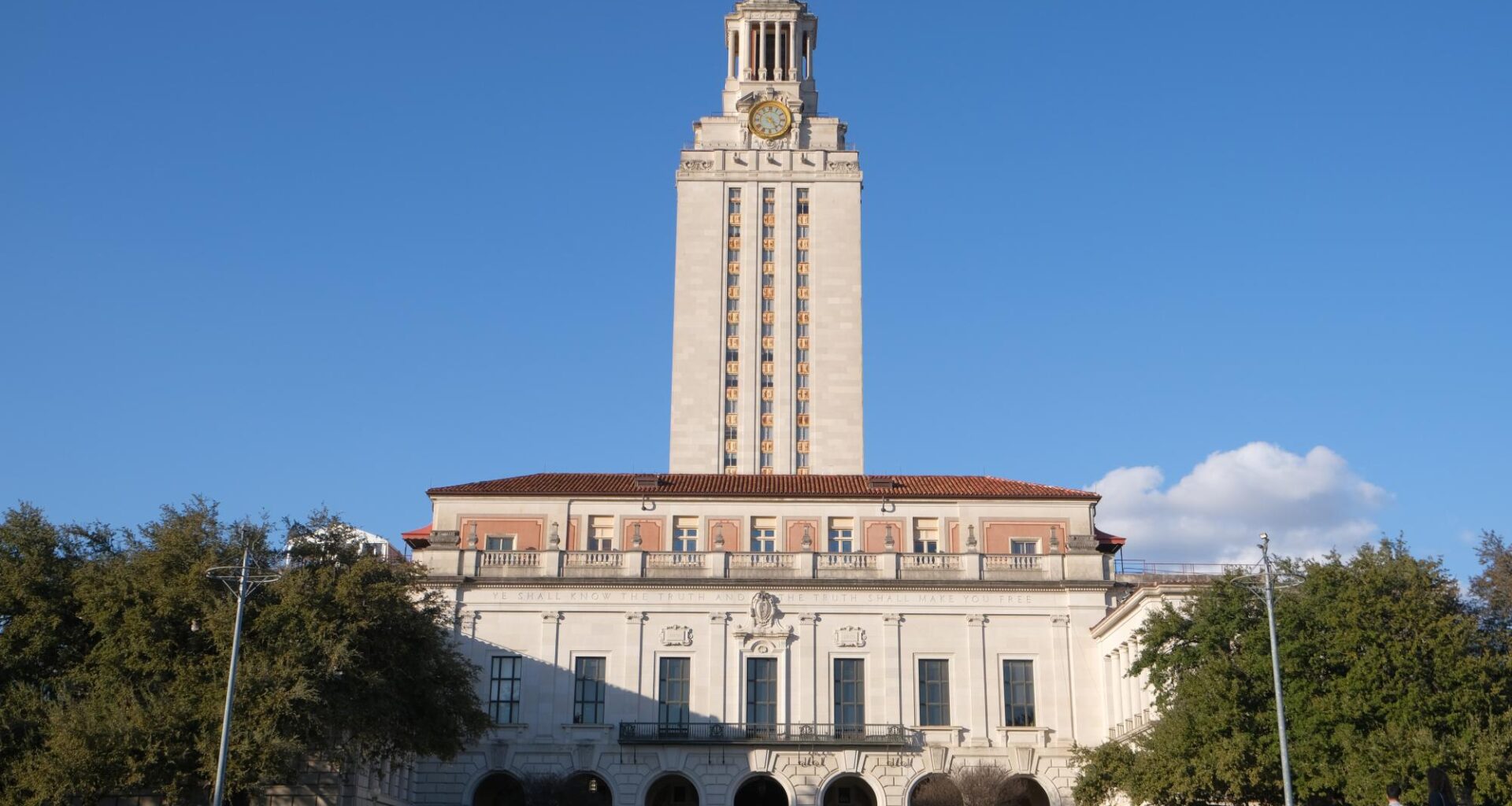
The Daily Texan spoke with Texas One Stop ahead of the fall semester about the potential impacts of recent developments around federal loan limits for UT students. The conversation, held on Aug. 5, aimed to clarify what degrees are currently impacted by the changes and the potential future for student borrowers.
How will UT graduate students be impacted?
Following a federal court order at the end of June, the Department of Education issued an updated list that classified additional graduate programs as “professional degrees” for the duration of court proceedings until December.
This list added new programs, including three nursing degrees: Master of Science in Nursing, Doctor of Nurse Anesthesia Practice and Doctor of Nursing Practice. The Federal Student Aid Office of the Department of Education defines a professional student as a “student enrolled in a program of study that awards a professional degree upon completion of the program.” In the update, the department said it is confident that the current definition based on the 2025 One Big Beautiful Bill Act, effective July 1, is correct and lawful.
According to a timeline from the National Association of Student Financial Aid Administrators, the final court briefing for the ongoing lawsuit against the Department of Education’s definition of a professional degree is set for Dec. 4, and a final decision will be made sometime afterward.
Jennifer Love, associate vice provost for financial aid and Texas One Stop, confirmed that in the fall 2026 semester, One Stop will use the current professional graduate degree definitions. This means professional degree borrowers can borrow up to $50,000 per year with a lifetime amount of $200,000, and nonprofessional borrowers are capped at a lower limit of $20,500 with a lifetime amount of $100,000.
Love said the University is using a more “conservative approach” to borrowing. The degrees identified as nonprofessional during the court proceedings will have a lower borrowing limit to prevent overborrowing in programs such as audiology, speech pathology and nursing.
“Every student’s approach in paying for their education and their expenses is different. … And a part of it is making sure that they have a plan in place to understand exactly how they’re going to be approaching it,” Love said. “For this professional group of students who are in the space of waiting until the December ruling, hopefully going with a more conservative approach, it’s not going to hold them (in a difficult position).”
How will UT undergraduate students be impacted?
For incoming undergraduate students, Parent PLUS loans, which allow student’s parents to take out loans, are capped at $20,000 annually per dependent undergraduate, with a $65,000 lifetime cap per student, according to Texas One Stop.
For all students who took out a federal loan before July 1, the legacy rules will apply. These rules state that the maximum Parent PLUS loan amount a parent can borrow is up to the cost of attendance, which is determined by the institution per program, minus any other financial assistance a student receives, according to the Federal Student Aid office website.
Love said if a student under the legacy rules transfers to a different college within UT, transfers to a different institution, or takes a leave of absence or a break semester, they will be moved to the new annual and lifetime limit loan caps. However, adding a new major on top of an existing one would not trigger this effect, she said.
How is Texas One Stop guiding students on the future of loans?
As impacted students receive fewer funds from federal loans, they may look toward private lending options. Federal loans typically have a lower interest rate and have better payment and forgiveness options. In contrast, private loans are based on consumer markets, causing interest rates to fluctuate, as it is completely up to the company lending the money to the student.
A University spokesperson said a student can take out a private loan themselves, but it usually requires a credit check to see if a student is creditworthy for the private loan. The University cannot legally suggest any specific private loan, but Texas One Stop does provide resources and a list of lenders on its website who follow its customer service standards, the spokesperson said.
“(One Stop) provide(s) a list of lenders that have gone through a (request for proposal) process with the University that abide by some of our customer service standards to make sure that there’s no predatory lending practices,” the spokesperson said. “We also try to educate our students to make sure that they’re asking the right questions of their lenders throughout the whole process.”
The University spokesperson said it is important to understand how the One Big Beautiful Bill Act differs from past legislation, like the Higher Education Act. The key difference is a shorter turnaround from final rulings on the older laws to implementation for students and schools. Universities across the country are all grappling with the effects of this legislation, the spokesperson said.
“There’s a lot of complexities to all of this,” the spokesperson said. “What we’ve been doing as an institution to respond to (the One Big Beautiful Bill Act) has been creating that private lending list. … We really try to encourage students to reach out for help if they have specific questions.”