
The Perot Museum of Nature and Science in downtown Dallas is preparing for a major $90 million expansion, according to state construction filings made public in late July 2026. While museum officials have not yet issued a formal public announcement, the filings with the Texas Department of Licensing and Regulation outline a significant upgrade to the campus.
The project, registered on July 29, 2026, calls for new construction totaling roughly 246,000 square feet at the museum’s address. Key components listed in the filing include:
A four-story parking garage to add substantial visitor parking
A new covered walkway connecting to the museum entrance
Additional event space inside the museum
New restrooms to support larger crowds and events
The construction cost of the Perot Museum expansion is estimated to be $90 million and privately funded.
According to the TDLR registration, construction is scheduled to begin on January 1, 2027, with a target completion date of January 1, 2029. Museum representatives have described the effort as still in early-stage planning.
Museum officials reportedly tapped Dallas-based design firm, Beck Architecture LLC, for the expansion. The property owner is listed as the Dallas Museum of Nature and Science, the nonprofit that operates the Perot.
This planned expansion follows the recent renovation of the Moody Family Children’s Museum inside the Perot. Opened in May 2025, the renovation nearly doubled the children’s museum’s size, adding an expanded toddler area, a “Creative Makery,” an immersive “Imaginarium,” and enhanced outdoor play space.
As of this moment, the museum has not released architectural renderings, a detailed site plan, or specifics on how construction will affect daily operations and parking during the build. No capital campaign or donor information has been made public for this $90 million project.
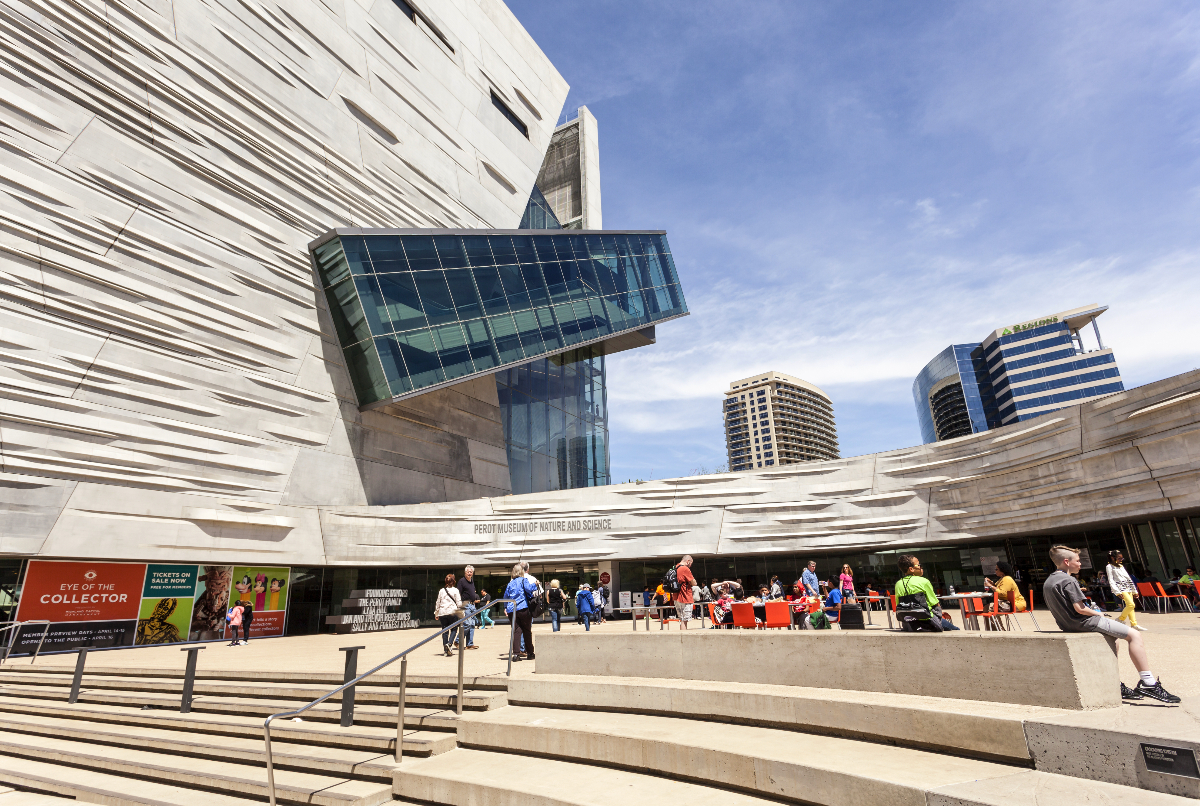
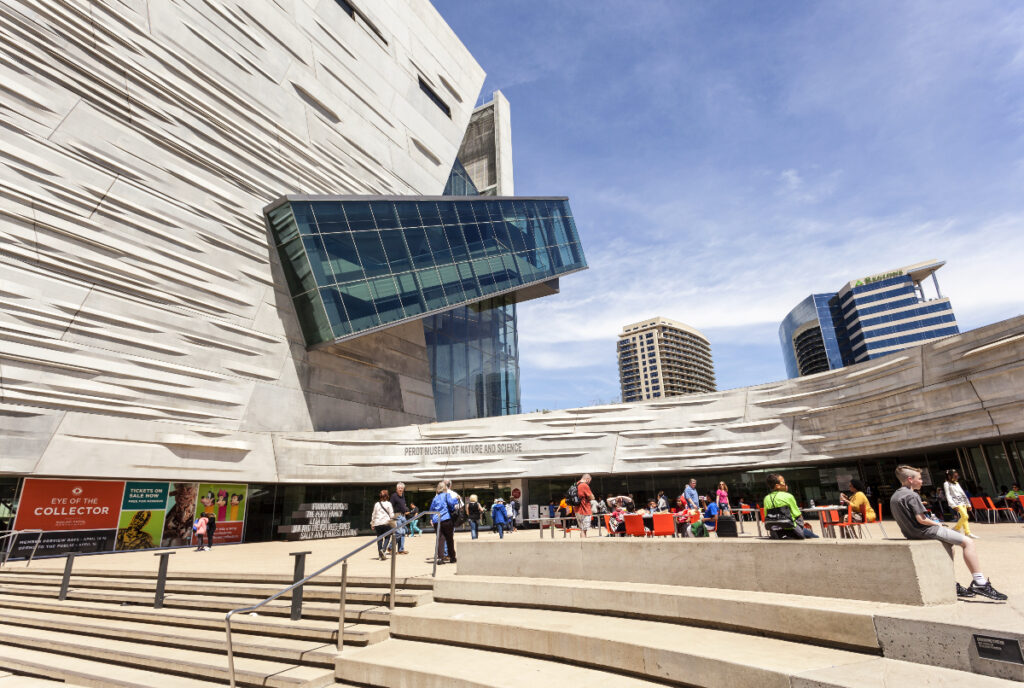
The Perot Museum of Nature and Science opened in its current Thom Mayne–designed building in Victory Park in 2012. The 180,000-square-foot facility houses permanent galleries, a children’s museum, labs, a large-format cinema, and traveling exhibition space. This new $90 million expansion would mark the next major evolution of the campus, with work expected to reshape visitor access and event capacity by 2029.