
LOCKHART, Texas — Since the pandemic, laptops and tablets have become a normal part of school. But this school year, some Central Texas school districts are cutting back on device use and rebalancing the classroom.
“I have seen a shift, just introducing technology in our own home, of a path I don’t want my son going down,” said Jillian Powell, assistant principal at Clear Fork Elementary. “I know that’s a similar feeling across the district with other parents.”
This school year, Lockhart ISD is launching its “Childhood Unlocked” initiative.
“Its essence is to create more childhood experiences for our students,” said Adam Miller, assistant superintendent of teaching and learning for Lockhart ISD.
Miller added that the initiative grew from a community book study started by Superintendent Dr. Mark Estrada, that revolved around “The Anxious Generation”, which examines student wellness and screen time.
In addition to the book study, the district gathered feedback from parents, staff, and the district leadership team, while also presenting updates and recommendations to the Board of Trustees throughout the year.
As part of the initiative, the district will implement the following actions and changes across campuses this school year:
Empowering teachers to use technology in meaningful, high-impacted ways. Not substituting paper & pencilIncrease time for free play and recess by 50% for grades PK-5Create time before school and during lunch for students to have free play for grades 6-8Reduce elementary screen time during the school day by 50% and build student agency for independent hands-on learning.No more than 50% of each class period for secondary students should involve student use of devices or Google Classroom. Prioritize traditional instructional methods and limit prolonged screen time.Create an intentional system for teaching technology skills, such as typing.Launch a campaign to partner with families to provide tips, resources, and regular communication to support healthy screen habits at home.Encourage and promote more outdoor play and learning during and after the school day.Continue full implementation of HB 1481 to support a distraction-reduced learning environment
“Growing those fine motor skills, that’s something that we’ve seen a decline in over the years is having those fine motor skills that come along with handwriting, and so hopefully bringing that back is going to help at home and school,” said Powell.
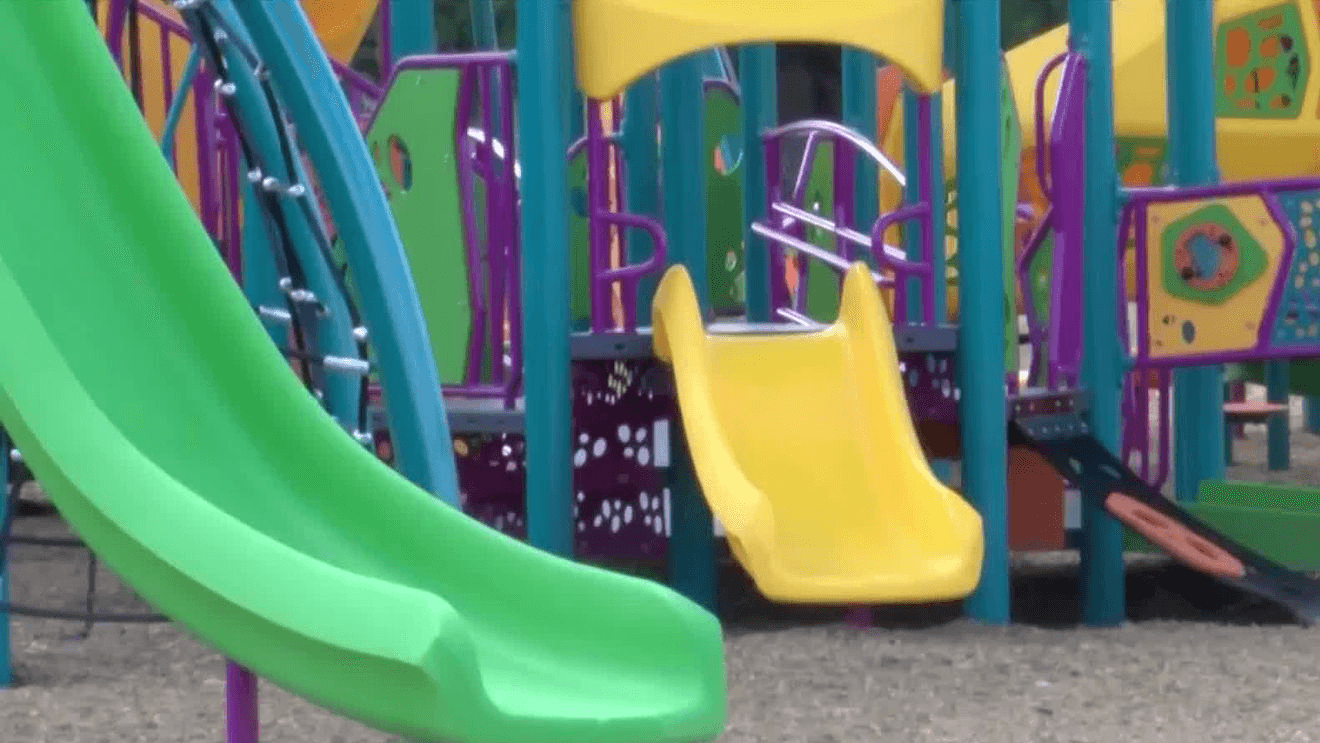
Under this plan, the district is expanding recess and opportunities for free play. To support that shift, the district has invested in new and upgraded playgrounds at all of its elementary campuses. This includes the “mega den,” a brand new playground that sits between Clear Fork Elementary and Navarro Elementary.
“It gives them opportunities to collaborate, to problem solve, to take healthy risks, to work on conflict resolution, and all of the other things that come about from just having opportunities to play,” said Miller.
Staff at Clear Fork Elementary believe this new balance will be a good change for students.
“I’m really excited to see how that affects the learning in the classroom and the focus that the children can have as they come back in,” said Michelle Hale, principal at Clear Fork Elementary.
Miller said they have developed a childhood unlocked steering committee, composed of teachers administrators and district leaders, who will meet monthly to review progress, see what’s working and what may need to be adjusted.
Hutto ISD is also putting new limits on screen time. This ranges from 30 minutes a day for Pre-K students to no more than 20 minutes per class period for students in grades 3-12.
The district on social media said, “Technology can support instruction, but it should not replace hands-on learning, strong teacher-student interaction or meaningful classroom experiences.”
Other central Texas districts CBS Austin reached out to said they didn’t have plans to make similar changes. Round Rock ISD, for example, said its focus is not necessarily on less technology, but on intentional use.
“One of the things that we’re very happy about as we’re looking at scores coming back from TEA, the Texas Education Agency, is we’ve seen that that process has really worked for our student,” said Dr. Natalie Nichols, Senior Chief of Schools and Innovation at Round Rock ISD.
While Central Texas districts are taking different approaches to technology this school year, Miller said the priority is finding the right balance for students.
“We certainly want other districts to be involved in this work as well because we believe it’s in the best interests of students and their childhood, and not just for Lockhart ISD, but for Central Texas,” said Miller.