
TEXAS — We’re learning more about the effort to combat New World screwworm (NWS) in Texas.
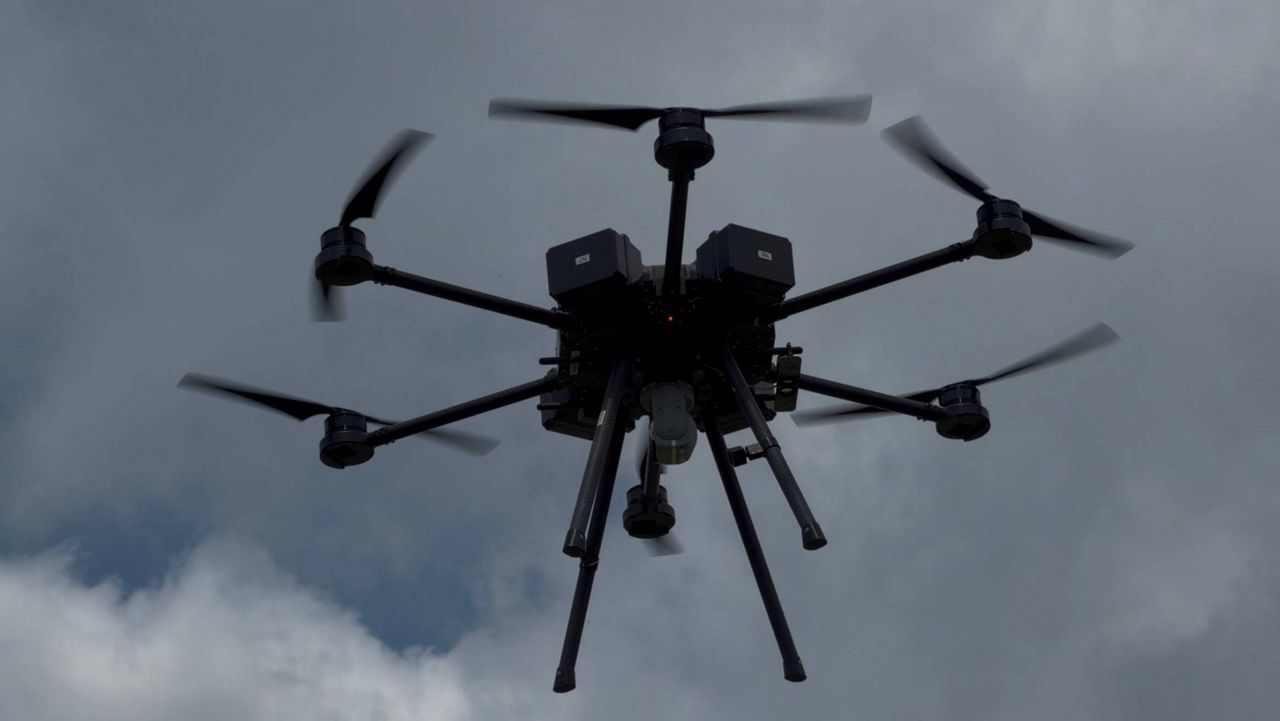
The numbers are in, and over 1,000 drone missions occurred last month to track Texas wildlife that could be at risk. Deer, rabbits and other small mammals are all susceptible to NWS, and those populations are found all over the state, making them an important factor in mitigation efforts.
The U.S. Department of Agriculture (USDA) is working with Texas Parks and Wildlife and local landowners to monitor wild animals to make sure they aren’t spreading the parasite. They’re using a mix of tools, including drones, trail cameras and ground observations to flag any animals that look like they could be infected.
Monitoring sites are made of natural and man-made water sources that attract wildlife. When they do flag an animal, the drone or trail cameras can help keep eyes on it until they get people on the ground to confirm if further evaluation is needed. The USDA’s Michael Schmoyer says in total they have flown over 1,000 drone missions just in July.
“We also have deployed 135 cameras,” Schmoyer explained. “We’ve captured 16,728 animals via camera, just again in Texas and just since July 4.”
Out of all of that monitoring, the USDA says more than a dozen animals were flagged for follow-up, meaning they were further investigated for NWS. Of those, none of them were found to have screwworms. Schmoyer says those results are encouraging as the state continues working to contain the spread.