
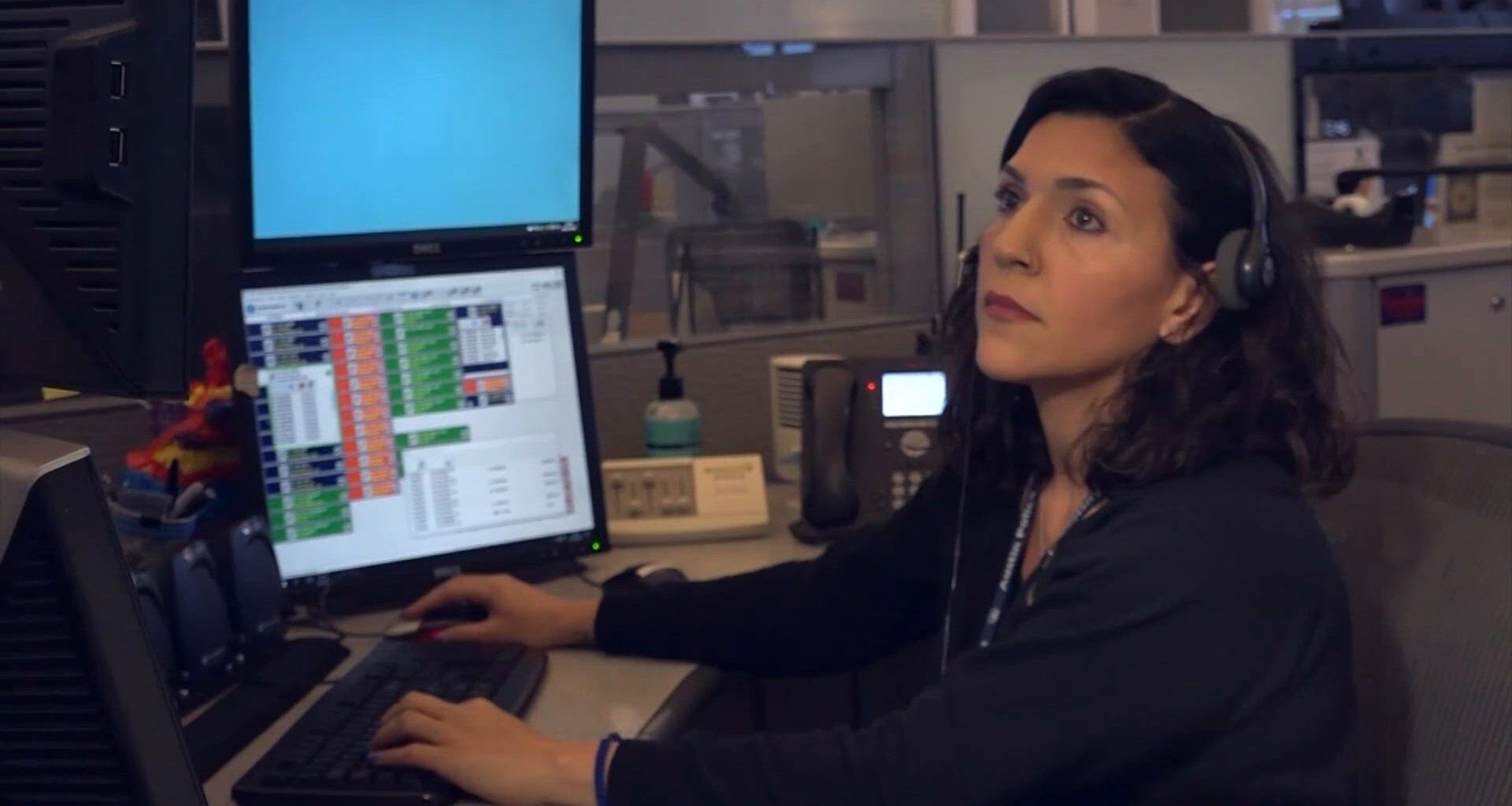
The office would focus on coordinating 9-1-1 operations across different agencies. Right now, emergency communications fall under the management structure of APD.
AUSTIN, Texas — The Austin City Council is moving forward with plans to create a new Office of Joint Emergency Communications that could eventually become an independent 9-1-1 department.
The office would focus on coordinating 9-1-1 operations across different agencies. Right now, emergency communications fall under the management structure of the Austin Police Department.
Council members brought the proposal forward in response to long-standing concerns about delayed emergency response times in parts of the city where multiple jurisdictions overlap. Critics, however, question whether changing how 9-1-1 operations are structured will make a difference.

This story continues below.
During a city council meeting this week, Austin Police Chief Lisa Davis pointed to improvements in emergency response times since she joined APD.
“As far as these response times, they have improved greatly,” Davis said. “Where they’ll go if they are not under police, I cannot say that.”
Council Member Krista Laine said the goal is to have dedicated civilian leadership focused solely on 9-1-1 operations, with staff working across jurisdictions to improve coordination and response times, an issue she said has affected her district.
Laine also said the current structure can make it difficult to identify and address problems.
“My concern right now is that the issues aren’t being surfaced,” Laine said. “There are enough challenges with data integration, and there are so many different, very strong leaders, very important leaders, but so many leaders that it keeps falling between the cracks.”
Council approves $1.4 million for new office
The council ultimately approved $1.4 million to create the Office of Joint Emergency Communications. The funding includes money for nine staff positions, operations and technology upgrades.
About $675,000 of the funding would come from the APD budget, including about $425,000 that had been set aside for recruiting.
Austin Police Association President Michael Bullock criticized the decision, saying filling APD vacancies would have the biggest impact on response times.
“For council to decide that that’s the budget they’re going to take from undermines the very progress that we’re trying to make,” Bullock said. “We’ve already been dealing with staffing issues, and now they’re just broadcasting to the department and to the public that refilling the ranks of APD is really not the priority of council.”
The remaining $250,000 would come from APD’s commodities budget. However, a proposal from Council Member Mike Siegel suggests those reductions could instead be covered with asset forfeiture funds.
The council’s decision came as some members pushed to wait for a city-funded consultant’s report examining emergency response times. That report is expected next month.
Laine said once the report is released, the council will have more information to determine whether 9-1-1 should remain under APD or move to a different structure.
For now, the council has approved the first step toward creating the new emergency communications office.