
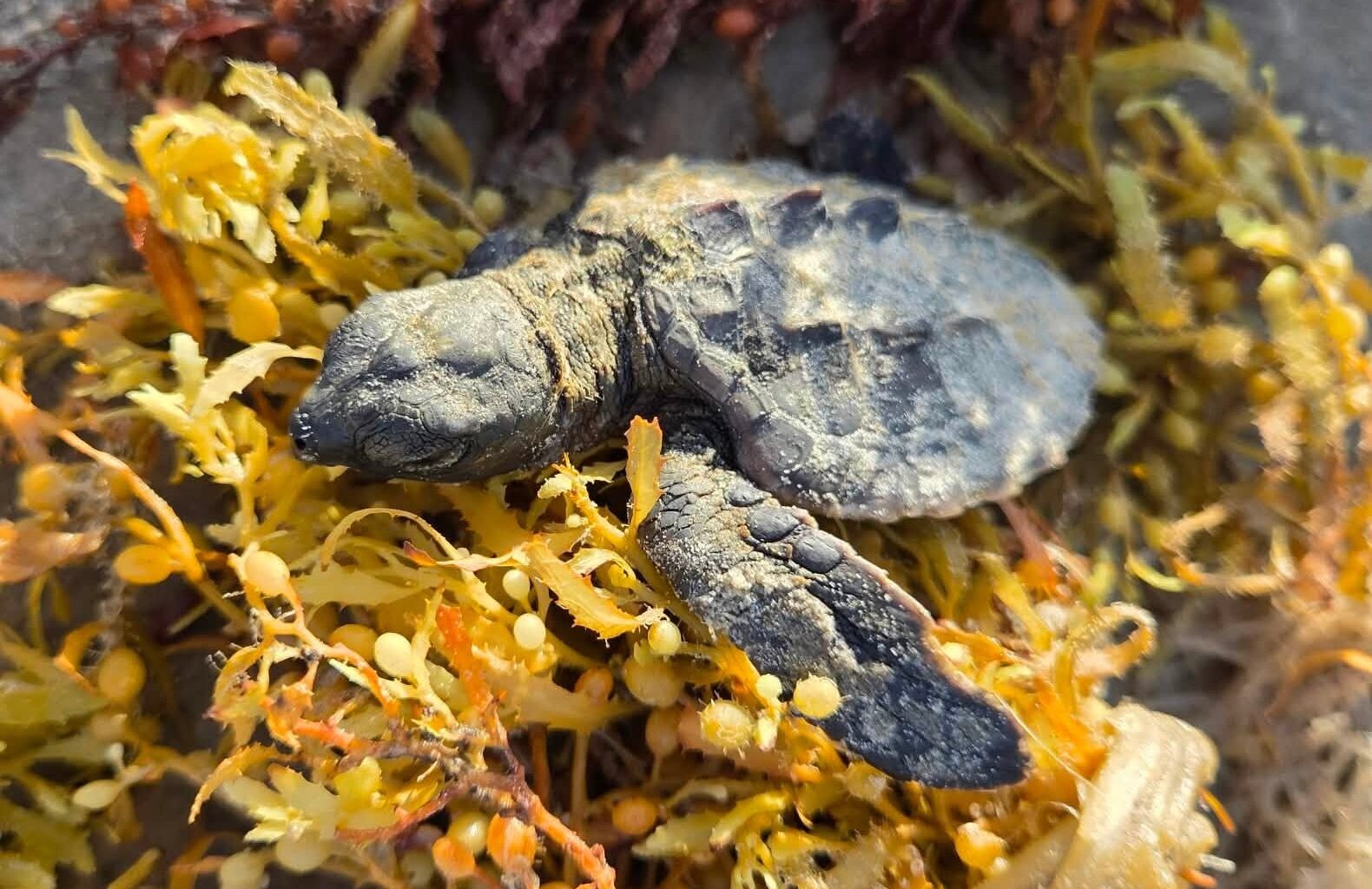
The turtle was missing a flipper and appeared to be in rough shape. But when she picked it up, she realized it was still alive.
Known as “washbacks,” the tiny turtles have already survived the perilous trip from their nests to the Gulf, only to be swept back onto land by strong tides, storms or ocean currents.
The phenomenon occurs every year along the Gulf Coast and can affect any sea turtle species. Hatchlings and small pelagic juveniles found on beaches may be exhausted, dehydrated, malnourished or injured. Once stranded, they’re also vulnerable to predators including birds and crabs.
The influx follows a milestone year for the critically endangered species. Researchers documented nearly 700 Kemp’s ridley nests along the Texas coast this season, the highest number in recorded history.
“Although most hatchlings have made it offshore, we do anticipate seeing more of these young turtles wash ashore,” the GCSTR wrote. “With the right care, they can eventually be released offshore to contribute to this endangered population.”
The center is urging beachgoers to keep an eye out for stranded turtles as the washback season continues.
Anyone who finds one should immediately report it to the statewide sea turtle hotline at 1-866-TURTLE-5, which is answered around the clock. The GCSTR serves as the permitted lead for stranded sea turtles from the Louisiana border to East Matagorda.
Beachgoers should not return a washback to the Gulf. A stranded turtle may be injured or too weak to swim and needs to be evaluated by permitted rehabilitation teams and veterinary partners.