
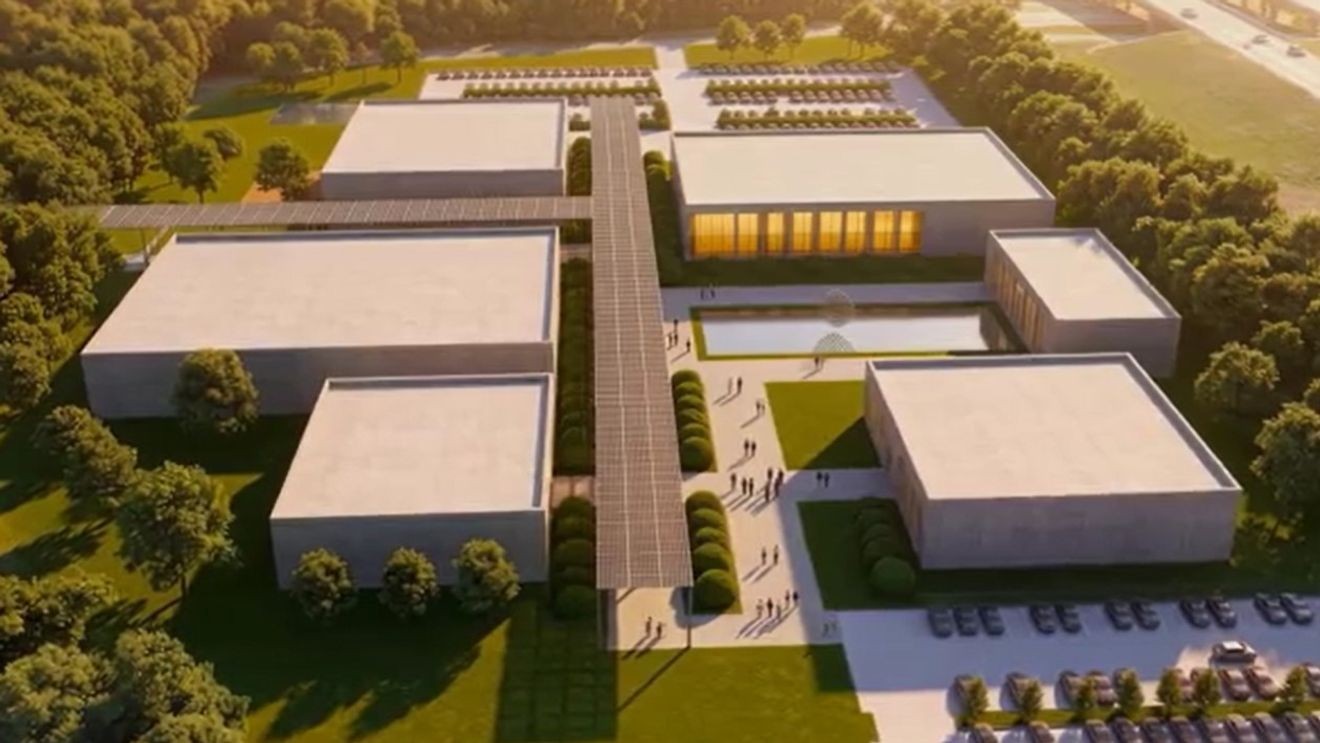
A new quantum technology campus is planned near Austin-Bergstrom International Airport, with backers pitching it as a place where researchers, students and startups can build the next generation of computing technology.
Texas Quantum Partners is developing the Occam Foundry on 16.5 acres near ABIA, a short distance from Tesla’s Gigafactory. The project is expected to include six buildings and a live quantum system, creating one of Texas’ first dedicated quantum campuses.
Managing Director Matt Cigmaglia said the vision is to create a hub where technical talent and business leaders can work side by side.
“When I think about a quantum campus, it’s a place where researchers, students and, more importantly, business leaders and entrepreneurs can come and build something for the next generation using the next-generation technology,” Cigmaglia said.A push to build, not just research
Cigmaglia said there is urgency behind the project as federal and state leaders put more attention on quantum technology.
“It’s profoundly urgent,” he said. “The White House has set executive orders very recently to build quantum, not just research quantum.”
He also pointed to Texas legislation aimed at making quantum development a state priority and supporting quantum-related hubs across Texas.
The Occam Foundry is designed to help the state compete for quantum talent, investment and companies as the technology moves from university labs toward commercial use.
ALSO| Austin tech leader Josh Baer honored for legacy of innovation, national security
KEYE
Quantum’s potential AI boost
Quantum computers use principles of quantum mechanics to process certain types of calculations differently from traditional machines. They are not expected to replace conventional computers, but proponents see them as a powerful complement to high-performance computing and artificial intelligence.
Cigmaglia compared the potential impact to adding a rocket engine to an airplane.
“Today we can only compute a certain level,” he said. “Adding a quantum computer is like adding a rocket engine.”
In that analogy, AI is the airplane, while quantum computing could help push it toward problems that require far more computational power.
What it could unlock
Supporters say quantum computing could eventually help tackle challenges that remain difficult or impossible for today’s most powerful computers, including:
Faster drug discoveryDevelopment of new materialsMore detailed climate and energy modelingComplex optimization and simulation problemsNew applications that have yet to be imagined“When you mix quantum computing with high-performance computers and AI, that’s really the recipe for success,” Cigmaglia said.
As construction planning advances, the Occam Foundry could become a new focal point in Austin’s growing race to turn quantum computing from an emerging research field into a commercial technology.