
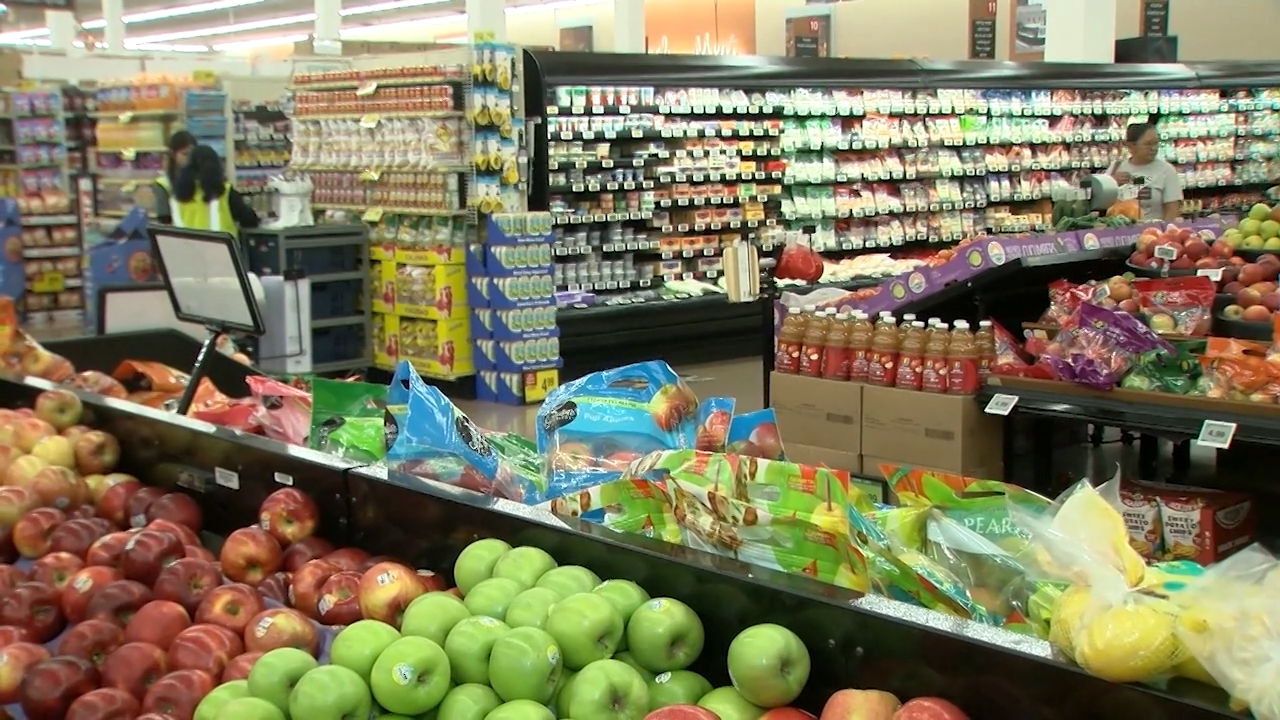
EL PASO, Texas (KVIA) — Many Americans are struggling to afford groceries. As oil prices rise, grocery prices climb with them.
University of Texas at El Paso economics professor Tom Fullerton said this is most likely to continue.
One El Pasoan, Ruben, says his family is focused on living within its means as rising prices continue to affect their household budget.
“Less vacation, stuff like that,” Ruben said.
He said he has noticed grocery prices increase since the COVID-19 pandemic, with a sharper rise in recent months, particularly for produce.
“Vegetables, for sure, that’s gone up,” Ruben said.
UTEP economics professor Tom Fullerton said higher oil prices tied to the war in Iran are contributing to higher grocery costs, particularly through increased transportation expenses.
“Whenever diesel prices go up, that raises the costs of transportation,” Fullerton said. “And the grocery stores and convenience stores have no choice other than to pay those higher costs because they need to restock their shelves.”
Fullerton said consumers are likely to see some of the biggest price increases in products that must be replenished frequently, including fish, chicken and produce.
“Those things, you know, have to be replenished on a weekly, if not a daily, basis,” Fullerton said.
Fullerton said prices are likely to remain elevated for some time.
“Prices will go up more quickly, then they’ll come down,” he said.
The higher costs also could affect the local economy, Fullerton said, as businesses face increased expenses.
“That could translate into smaller payroll increases and slower hiring,” he said. “Workers already on payroll could see smaller wage increases, while fewer workers could be recruited during the second half of 2026 than otherwise would have been.”
For El Paso residents like Ruben, that means finding ways to stretch their grocery budgets.
“We tend to stock up a little bit when we can,” he said. “If we find something on sale rice, beans, things like that we can store.”