
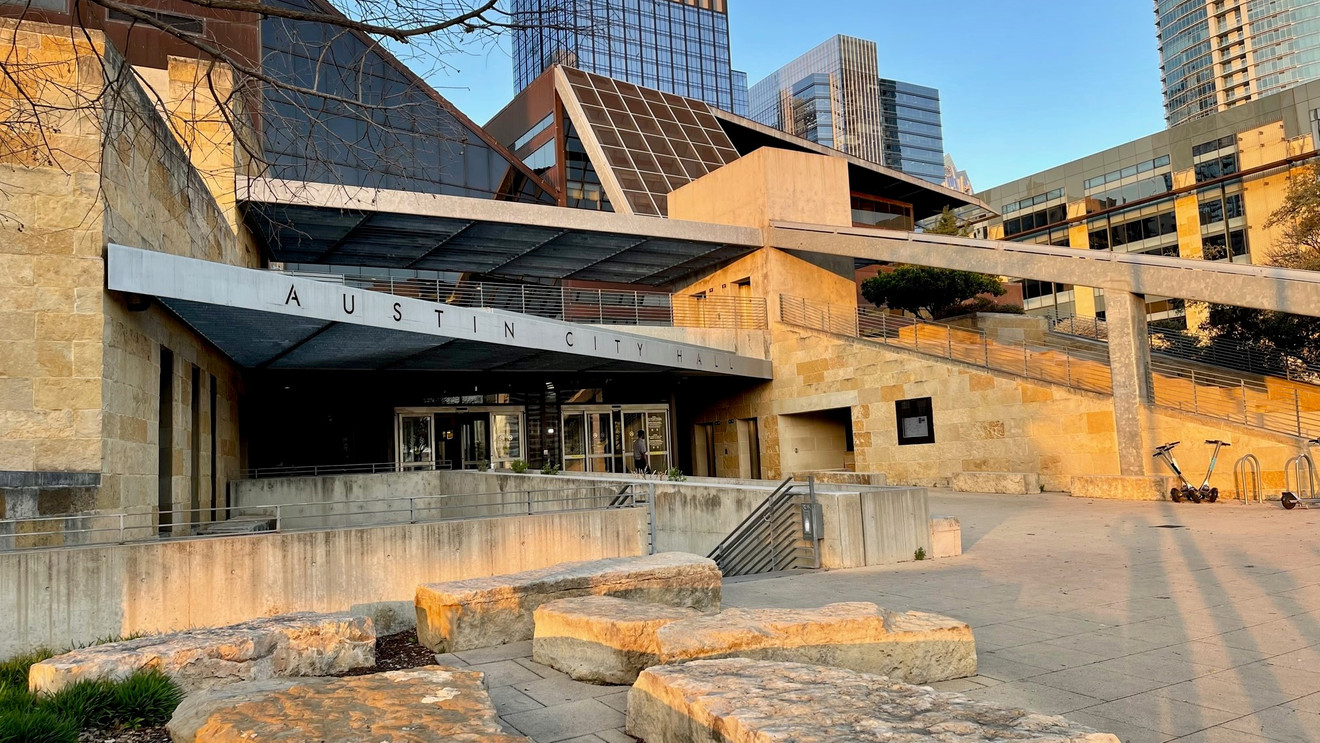
AUSTIN, Texas — Austin City Council members are preparing to begin a formal push to regulate — and potentially prohibit — large-scale data centers within the city limits, with a work session scheduled for Tuesday and a possible vote later this week.
Council Member Mike Siegel, who represents District 7, said the work session will start the conversation on how to amend city code to allow for data center regulation. He said he expects at least five council members to support outlawing data centers.
“Because I’ve spoken with them, but most likely a majority of council saying loud and clear, once these regulations become final, we don’t want hyperscale data centers within Austin, period,” he said.
Those voices, along with Mayor Kirk Watson, would be enough support to move forward with action with the city council only having capacity for 10 total votes.
Last week, Watson posted on the city message board about a memo aimed at establishing “clear and rigorous guardrails that put Austin values first and prevent harm in the community.”
ALSO | Texas fights Minnesota extradition bid for ICE agent accused in Minneapolis shooting
“The memo recognizes the importance of Austin keeping up with the technological changes of our times while protecting our City,” Watson said in the post.
Watson says he proposed an initial framework back in May for preventing ad regulating the infrastructure in Austin.
Siegel said the effort is intended to ensure city policies do not favor data centers. “This is basically the follow-up that really has been initiated by the mayor and council to make sure that in our land use regulations, in our water utility regulations, our electric utility regulations, we’re not favoring data centers in any way,” Siegel said.
Siegel said Austin is taking a broader approach than some nearby cities that have already acted. He pointed to San Marcos, which voted in June to prohibit data centers citywide.
“I would say Austin is leading on developing a comprehensive permanent policy that intersects with our electric utility, our water utility, our land use regulations. So we are really approaching this in a comprehensive way,” Siegel said. “But what makes Austin different from a place like San Marcos is the data center developers haven’t tried to locate one of these big facilities in our city limits.”
Siegel said he has heard significant opposition from residents about large-scale facilities.
“We’ve heard from many, many members of the Austin community that people do not want these large-scale data centers in our city limits,” he said.
Siegel cited concerns including “the sound, the light, the use of water, the use of electricity,” and said residents worry about impacts on neighborhoods and property values.
Siegel hinted at what possible first steps to legislation could look like.
“And so we’re initiating that zoning process now so we can have a code in place that protects our community,” said Siegel.
After Tuesday morning’s work session, city leaders are scheduled to hold a press conference to discuss proposed regulations ahead of a Thursday council vote.
Siegel said it could be months before any prohibition takes effect because the city must first begin a code process to define what a data center is before regulations can be adopted.
“Now what the public needs to understand is we actually need to initiate a code process to create the definitions for what is a data center before we can regulate and prohibit certain kinds of data centers,” said Siegel.
The councilmember said Tuesday’s work session is about setting expectations for city staff as the process begins.