
SANTA TERESA, NEW MEXICO (KFOX14/CBS4) — Agriculture officials on Monday have reopened a livestock crossing port in Douglas, Arizona, after months of closure tied to the New World screwworm, a move expected to help herders import cattle from Mexico.
The U.S. Department of Agriculture announced the reopening on Monday as officials gathered in Douglas to mark the return of livestock operations at the crossing. Under the reopening plan, USDA said every animal entering the United States through these ports will undergo a full USDA inspection to ensure it is free of any signs of New World screwworm.
In Texas, agriculture officials said the reopening is overdue and called for additional steps to stabilize the cattle industry.
Speaking to KFOX14/CBS4 on Monday, Texas Agriculture Commissioner Sid Miller said he’s been trying to get the Santa Teresa, New Mexico border to open for a long time.
“We had a screwworm infestation for 40 years. We never closed the border to Mexico because it’s not a problem. I’ve been trying to get that border open for a long time,” Miller said.
The facility, located in southern New Mexico, is the largest cattle crossing between the United States and Mexico and is considered one of the most modern livestock processing facilities on the U.S.-Mexico border.
It serves as a critical link between the agricultural economies of both countries.
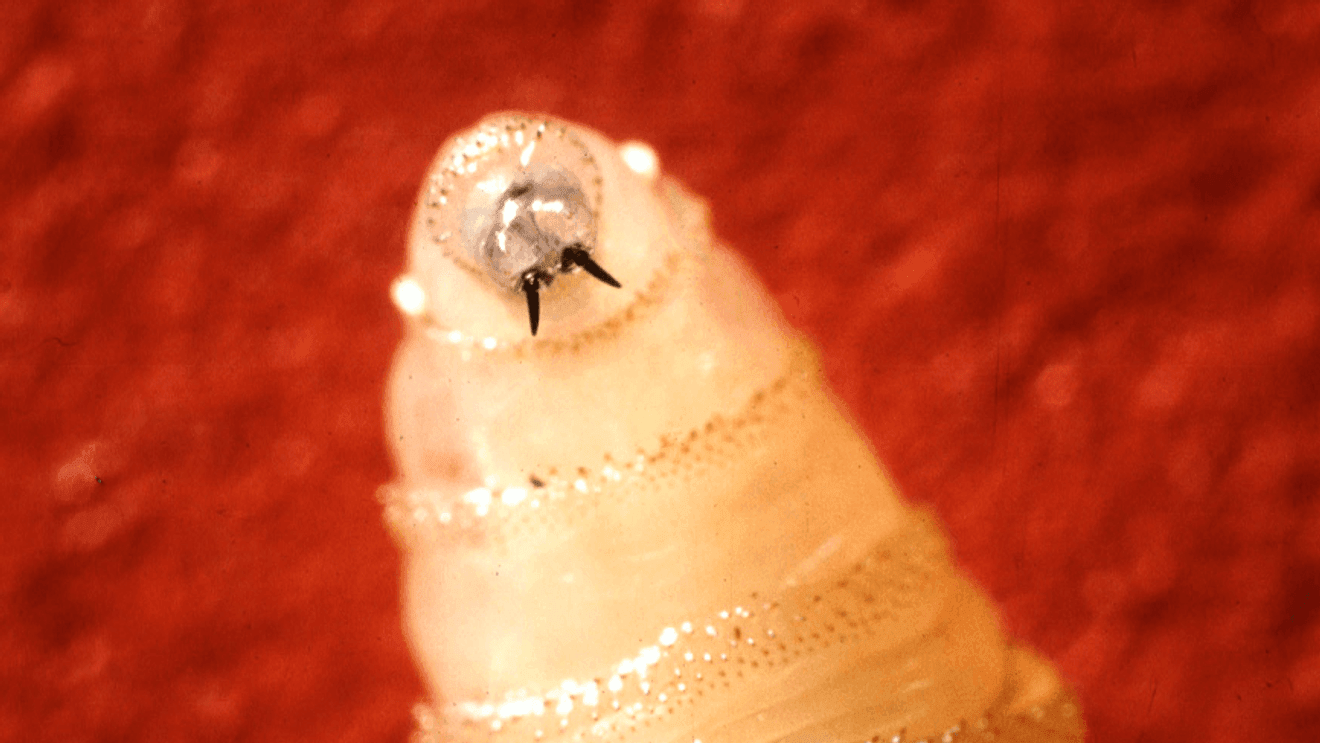
The crossing has been closed since the U.S. Department of Agriculture suspended cattle imports from Mexico to prevent the spread of the New World screwworm, a flesh-eating parasite that lays eggs in open wounds of livestock and other warm-blooded animals.
Since then, the closure has affected ranchers, trucking companies, livestock brokers, feedyards, and businesses throughout the Borderland while limiting cattle imports that industry leaders say have contributed to higher beef prices nationwide.
While Miller welcomed the decision to reopen the Douglas border and hopes the Santa Teresa port of entry is next, he pointed toward the impact the prolonged closure has had on the U.S. cattle industry.
“Consumers are paying too much for beef. It’s higher than it’s ever been. It’s going to hurt the cattle producer because, in the long run, yeah. People quit eating beef because it’s too high to go to pork and chicken and fish and other protein sources,” Miller said.
Miller added, “We need the cattle.” And he argued that rebuilding the herd requires live animals, saying, “That’s how you rebuild the herd, not bringing in beef, you bring in cattle.”
While there is still no official reopening date for the Santa Teresa livestock crossing, federal officials said they will keep an eye on operations at the Douglas livestock crossing, and if operations go well, officials said Santa Teresa’s livestock crossing will also reopen.
RECOMMENDED: USDA confirms phased reopening of southern cattle ports starting next month
RECOMMENDED: Santa Teresa cattle crossing moves closer to reopening after months-long closure
Sign up to receive the top interesting stories from in and around our community once daily in your inbox.