
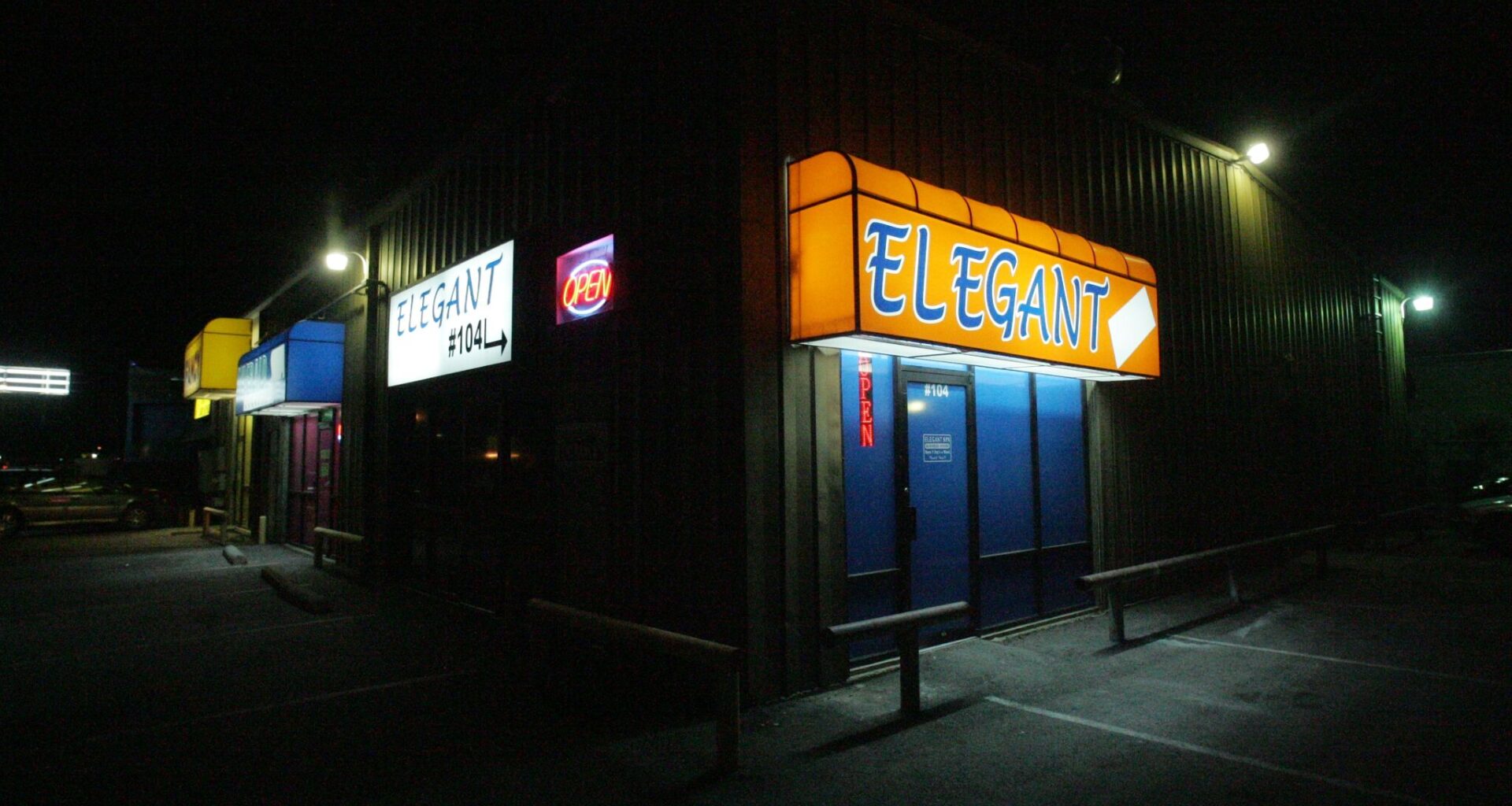
Brothels, or illicit massage businesses, are the most common venue for sex trafficking in Texas and nationwide, according to a 2020 Texas Senate committee report.

Here is a look at these operations:
In 2025, more than 1,640 illicit massage businesses were identified in Texas, an increase of 47% from 2020, according to research from The Network, a nonprofit based in Arlington, Virginia that uses data to try to end sexual exploitation at illegal massage businesses.
Article continues below this ad
A 2024 Texas Human Trafficking Prevention Task Force Report compiled by the attorney general said the number of such businesses in Texas grew by 170% in less than a decade — from 547 in 2016 to 1,477 in 2024.
Lucrative business, many locations
The businesses generate an estimated $2.5 billion annually across the U.S., the Texas Senate committee report said. One study found Houston massage parlors service nearly 3,000 customers daily.
Organized and well-funded brothels operate through many channels, including websites, hotels, apartments, escort services, bars, cantinas, truck stops, strip clubs, casinos and modeling agencies.
The 11313 block of Emerald Street in Dallas where massage parlors once lined the street.
Ricky Moon/102746
Most illicit massage businesses lease commercial buildings that allow the owners to easily relocate if they attract too much attention from law enforcement, according to the Texas Senate report. The average massage brothel is part of a criminal network that connects to other businesses such as nail salons, beauty shops or dry cleaners, which may launder commercial sex profits, the report said.
Article continues below this ad
Owners sometimes rent apartments and houses for their operations. Storefronts are easier for police to target, the Texas Senate report said, because they “operate and advertise, at least on the surface, as legitimate businesses with physical locations and licenses.”
Following the money
Sex trafficking is largely a cash business. Some brothel operators place ATM machines inside their businesses. Both sellers of commercial sex and buyers prefer cash, which cannot easily be traced, giving them the shield of anonymity.
Following the money in brothel cases isn’t necessarily difficult. Owners have “money mules” deposit the proceeds into bank accounts across a wide area. Associates will purchase money orders with the proceeds and deposit them into different bank accounts. The money is wired overseas.
Others launder their cash by using it to buy luxury vehicles, real estate and other high-dollar assets. Some launder it at casinos.
Attempts to deceive identity
Some Texas brothel owners hide their involvement by paying people with clean histories (good credit, no criminal record, U.S. citizenship) to use their names and identities on leases and in corporate records, court records show. Actual owners sometimes live in China, Korea, Thailand or other foreign countries, where the bulk of the profits are sent through money transmitting services, court records show.
Article continues below this ad
Others list fake names and addresses on corporate documents to obscure the owners and frequently change those names in corporate filings. Some owners will obtain massage licenses for their workers from online diploma mills.
The highest federal prison sentence for brothel operators prosecuted in the Northern District of Texas since 2013 was eight years, according to cases The Dallas Morning News was able to identify from press releases and court searches.
The News found examples of some state cases ending in probation. Others had charges reduced or dropped — or were never charged at all, court records show.
Operators were more likely to have their assets seized by the government and/or were fined. In at least eight federal brothel prosecutions in North Texas since 2013, the government took in a combined $5.5 million in forfeited money, in addition to buildings, vehicles and jewelry, according to case files.
Article continues below this ad
Plight of the survivors
A study published in May 2026 in the Journal of Human Trafficking, conducted by North Texas researcher Vanessa Bouché, examined more than 2,390 federal human trafficking prosecutions from 2000 to 2022 and found about 78% of such cases involved child sex trafficking.
Brothel victims are forced to work in some of the worst and most dangerous conditions — in dilapidated, windowless hovels in red light districts. They have the highest volume of customers; usually never receive restitution; and are held prisoner by their traffickers to work until they pay off their significant bondage debt.
Survivors are often noncitizens. They are not afforded the same rights as most Americans and are subject to detention and deportation.