
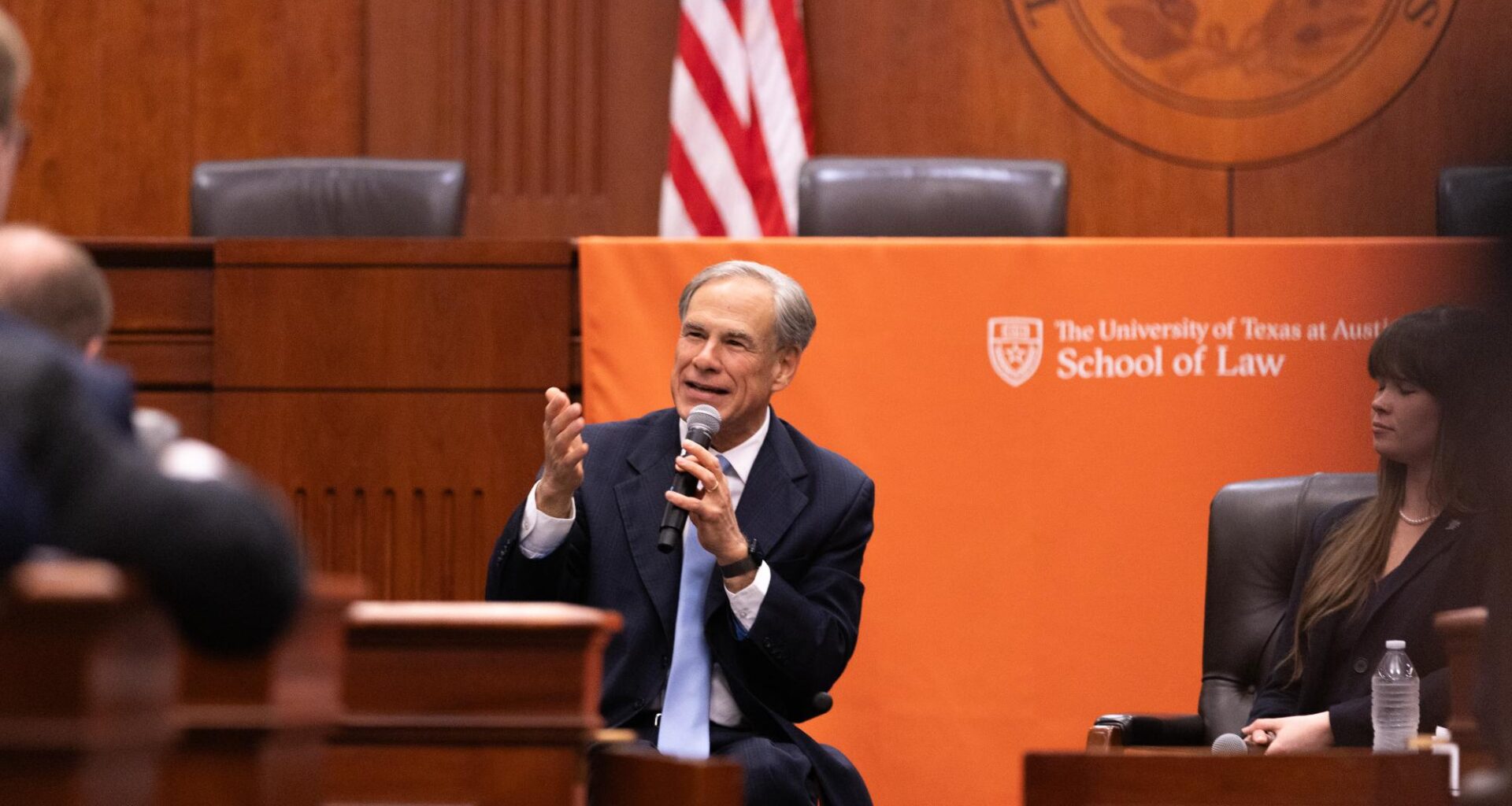
Gov. Greg Abbott urged the Texas Higher Education Coordinating Board to create a framework for three-year Bachelor’s degrees by Dec. 31 in a Wednesday letter. The shorter degree plan framework would increase workforce readiness and affordability for students, Abbott wrote.
The THECB is not bound to comply with the directive, but the governor appoints the Board’s members who will likely follow his request, said Randy Erben, adjunct professor in the School of Law.
The letter is part of a broader effort to make higher education more affordable, Abbott wrote. The governor has focused on affordability in higher education, allocating funds for financial aid programs, and freezing tuition and fees. In March, a separate board that accredits UT approved certain degree requirements to be decreased from the standard 120 credit hours down to 90.
“Every semester adds to tuition, fees, housing, food, transportation and other living expenses, and delays students’ ability to begin their careers,” Abbott wrote.
To decrease the amount of time required to complete a degree, core requirements not directly related to students’ majors could be reduced, said Rachel White, an associate professor of educational leadership and policy.
UT’s core curriculum is already facing a possible reduction after a report from UT President Jim Davis’s Core Curriculum Task Force proposed to lower the number of course hours in the core from 42 to 36 hours. The changes would reduce the number of hours required outside a student’s selected area of study.
Abbott did not specify which majors would have three-year curricula before others, but mentioned “high demand, high wage field(s)” in his letter.
Erben said the career and technical subjects are more likely to have three-year curricula than majors such as engineering or business. The Texas legislature has tripled funding in the last year in high school technology pathways and career and technical education classes.
“Texas has long been a national leader in higher education innovation and workforce development,” Abbott wrote. “I look forward to working with the Legislature to codify an accelerated three-year bachelor’s degree pathway.”
UT already offers shortened degree options like five-year master’s programs, which allow students to take graduate classes while completing their undergraduate degrees to obtain both degrees in less time.
White said a three-year Bachelor’s could be similar, where students could be expected to complete certain requirements while finishing high school through programs like AP and dual-credit. White also said access to three-year degree programs could depend on a student’s high school resources.
“Unequal access to those courses across the state could become a gatekeeper,” said White, an expert in K-12 education policy. “It could even become a bigger issue, and that could widen opportunity gaps between those coming from the more rural or high-poverty districts in the state.”