
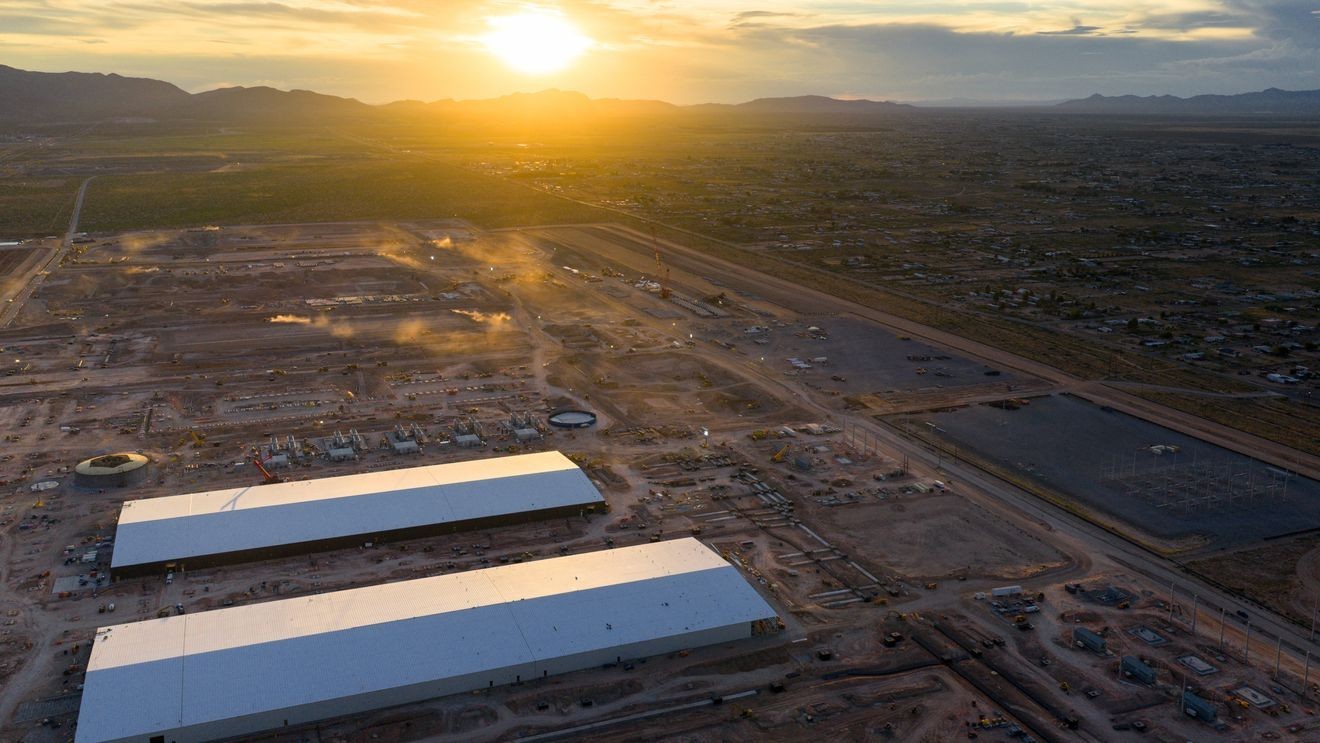
AUSTIN, Texas — Texas state senators pushed for answers about the impacts of water usage by data centers across the state during a hearing on Tuesday. State agencies described the limitations they have faced in collecting relevant data.
The Senate Committee on Water, Agriculture, and Rural Affairs heard invited and public testimony, which included the Texas Water Development Board (TWDB), the Public Utility Commission (PUB) and representatives from data companies, like Google.
Temple McKinnon, director of water supply planning at the TWDB, said the agency contacted 324 data centers with mandatory water use surveys earlier this year. Just 30% responded. She noted that failing to respond is considered a class C misdemeanor in Texas, but also noted a lack of definitive contacts at some companies.
“We have potentially 200 entities out there that are kind of in the Wild West,” said State Sen. César Blanco, D-El Paso.
Researchers from the University of Texas at Austin shared estimates about water usage at data centers in Texas, with the Bureau of Economic Geology estimating data centers used 33 billion gallons in 2025, roughly 0.5% of the state’s entire usage. Researchers said they estimate that usage could increase significantly in the coming years.
“The biggest uncertainty is how many data centers will be installed,” said Ning Lin, chief economist at the Bureau of Economic Geology.
Committee Chairman Charles Perry, R-Lubbock, said he and other lawmakers plan to file bills in the upcoming session to regulate the data center industry.
“I believe many of them are good actors, but as always, there are bad actors,” Perry said.
Representatives from data center companies also testified, reassuring lawmakers of their commitment to sustainable activity in Texas.
“Our team agrees that data centers should support, not compete, with farmers, ranchers, and rural communities, which is why we provide the vital data center power required to run today’s advanced precision agriculture technologies,” said Ben Townsend, head of infrastructure and sustainability at Google. According to Google, the company currently operates two data centers in Ellis County.
Ryan Kuithe with QTS Data Centers, which operates in several Texas counties, also promised sustainability.
“We believe that our growth and stewardship can coexist when companies invest in efficient technologies, support local infrastructure, and partner with communities to create clear, long-term water solutions,” Kuithe said.
Rural community members worry that regulation of data centers will not happen soon enough without a special session in the state legislature.
Claudia Hollern lives just a few miles away from large data center development sites in Caldwell County. The rural area is expected to soon be home to one of the largest data centers in Texas, a 4,000 MW campus operated by Tract.
“Texas has struggled with its grid, so that is definitely very concerning,” Hollern said. “Water is a definite concern, both for cooling the data centers itself and when you use more electricity, you inevitably use more water, also.”
Hollern is part of the Caldwell Data Center Action Team, a grassroots group opposed to the rapid expansion of data centers.
“I am very happy that lawmakers are looking into this, and we need a lot of transparency there. But I’m also worried that if we don’t call a special session, stuff’s going to get grandfathered in,” she said.