
In 2025, Austin passed a law requiring all residential properties within City of Austin limits to have working air conditioning. (Photo by Smith Collection/Gado/Getty Images)
Smith Collection/Gado/Gado via Getty Images
Landlords have obligations that they’re required to meet under the lease.

Providing tenants with air conditioning might not be one of those obligations under Texas law. Considering how hot Texas can get, having no air conditioning in your home can pose a serious health risk.
Article continues below this ad
According to NSC Injury Facts, Texas had 253 heat-related deaths in 2025.
Even if you do have air conditioning in your home, are you, as a tenant, always in control of it?
Here’s what to know about your rights as a tenant when it comes to the thermostat.
Does my landlord have to provide air conditioning?
In Austin, homes and apartments must have air conditioning that meets the city’s cooling requirements.
Article continues below this ad
Under a city ordinance that went into effect July 10, 2025, all residential dwellings must have “refrigerated air equipment capable of maintaining room temperatures that are at least 15 degrees cooler than the outside air temperature, and in no event, higher than 85 degrees.”
In an interview with CBS Austin, Just Well Law tenant attorney Kristina Baehr said this requirement goes beyond just comfort in people’s homes and apartments.
“In Texas, we have high humidity,” Baehr said. “That leads to water damage, it leads to mold, it leads to poor conditions that fester and make people sick.”
However, this is an Austin requirement. There is no state law that specifically requires air conditioning in rental homes.
Article continues below this ad
Is it illegal to have no air conditioning in Texas?
State law does not specifically require landlords to provide tenants with air conditioning or heating.
However, state law may still require a landlord to make repairs when a problem seriously affects a tenant’s health or safety.
If your air conditioning isn’t working properly, Texas Property Code requires a landlord to “repair or remedy a condition” that “materially affects the physical health or safety of an ordinary tenant” if the tenant meets the law’s requirements for requesting a repair.
Article continues below this ad
Can a landlord control your air conditioning?
A tenant’s lease may say whether your landlord has agreed to maintain A/C or heating equipment.(Photo by Elisa Schu/picture alliance via Getty Images)
picture alliance/dpa/picture alliance via Getty I
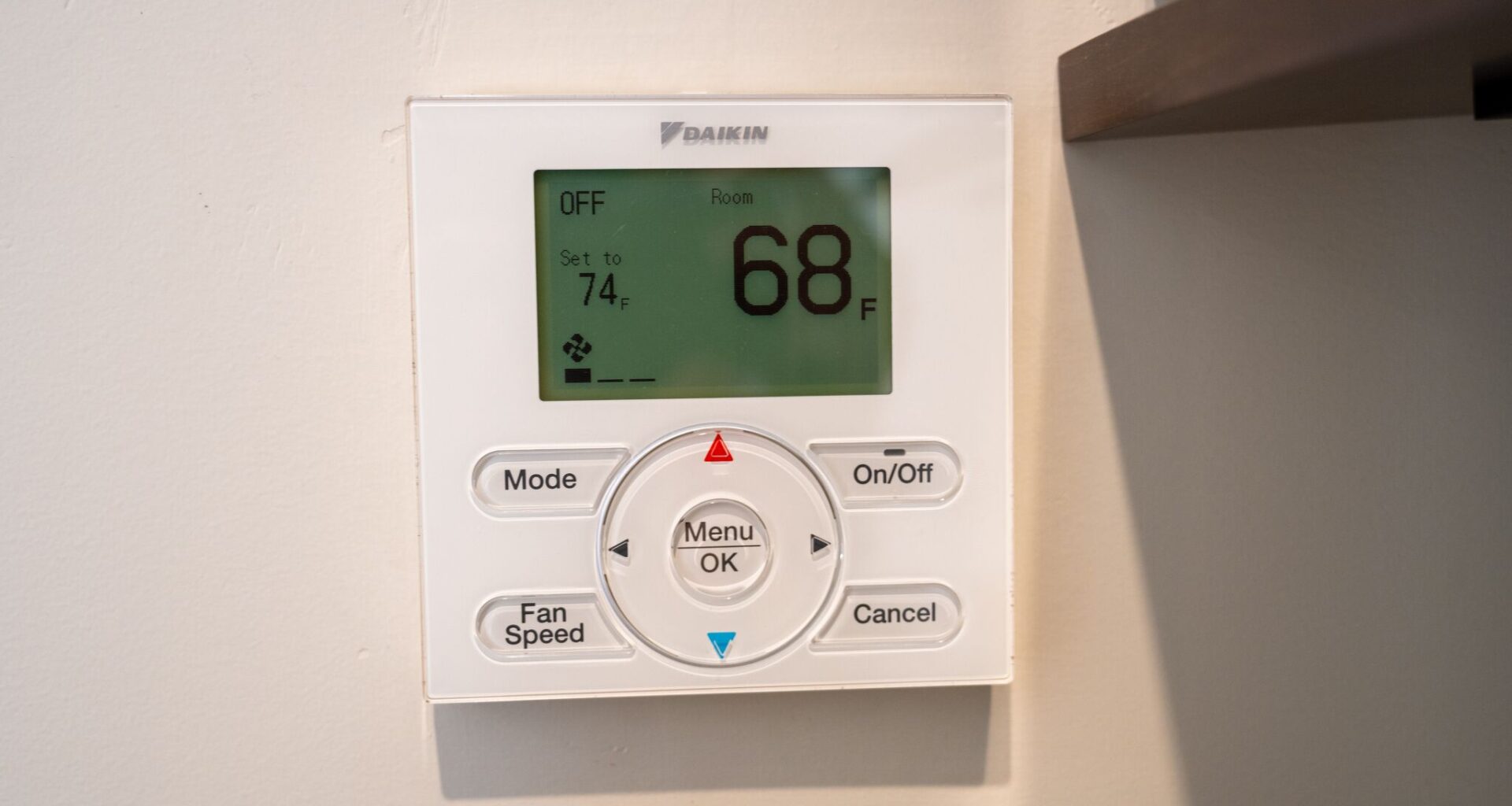
There is no Texas law specifically addressing whether a landlord can control a tenant’s thermostat. According to the Texas State Law Library, whether a landlord can control the temperature may depend on the lease, the condition of the heating or cooling system and local housing codes.
If the property includes air conditioning or heating equipment, however, state law may require the landlord to repair it, depending on the circumstances.
Article continues below this ad
If you’re not sure whether your landlord is required to make a repair, review the Texas Property Code or contact a tenant-rights organization or attorney.
Texas law sets conditions for when a landlord has a duty to make certain repairs. For example:
The tenant cannot be behind on rent when giving the landlord notice of the problem.
The landlord generally does not have a duty to repair a condition caused by the tenant or someone in the tenant’s home unless the condition resulted from normal wear and tear.
Article continues below this ad