
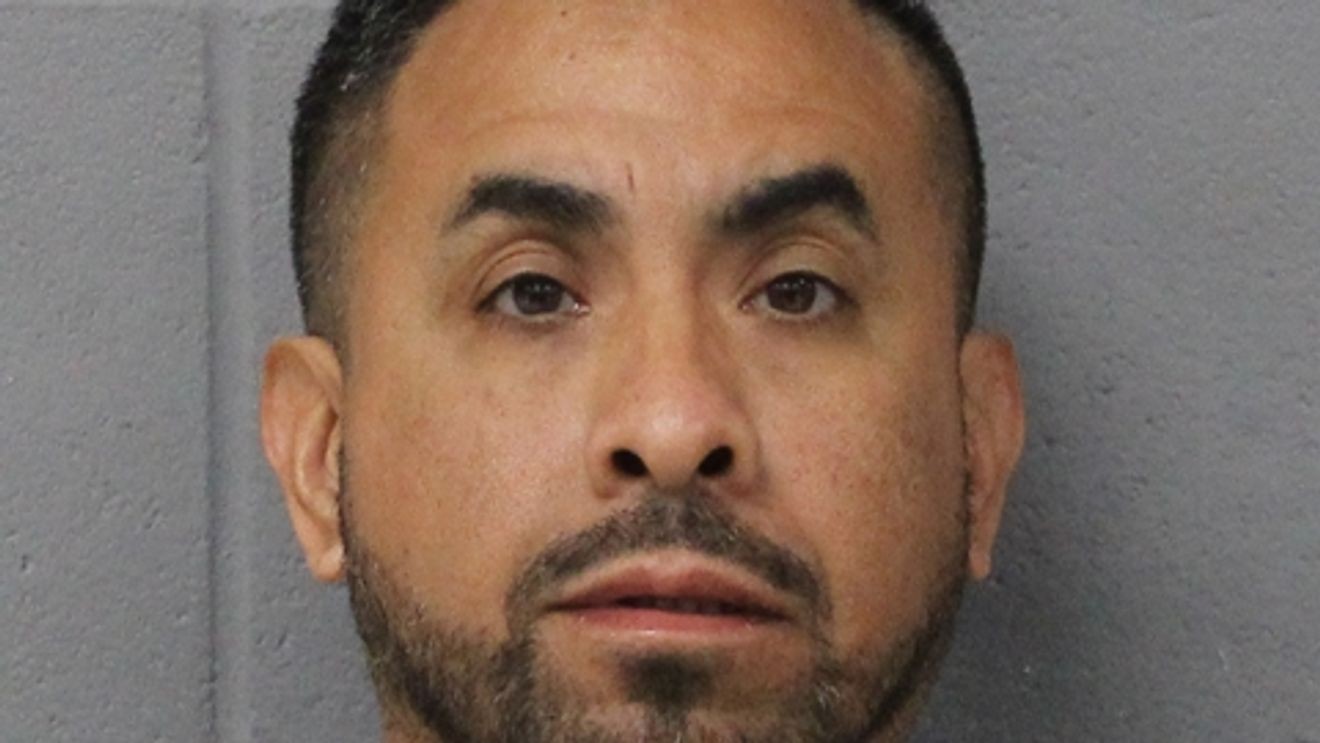
AUSTIN, Texas — Austin Police announced that a man has been sentenced to 15 years in jail after linking his DNA to two sexual assault cases that used to run cold.
Police credited the advancements in DNA and forensic testing which matched Michael Lance Gamez to the samples collected 25 years ago.
Austin Police said the first case occurred on September 9th, 1999 at the Capitol Metro Pavilion Park and Ride when Gamez walked up to a woman getting off a bus alone and physically attacked her. Police said he tried to sexually assault her, but he ran off when the woman started screaming.
ALSO | Fort Worth man charged with threatening to kill state Rep. James Talarico
The second case happened months later, in February 2000. Police said the victim was returning home when Gamez approached her and asked for assistance. After entering the apartment, he violently attacked and restrained her and attempted to sexually assault her. The victim fought back and Gamez fled.
APD collected forensic evidence from both crime scenes, but it wasn’t until three years later that APD got their first lead. In April of 2003, the Texas Department of Public Safety said that the DNA profiles from both of those cases matched.
“While the detectives at the time did not yet have a name, they knew they were looking for the same person,” Detective William Costello said at Wednesday’s press conference. “In both cases, that connection was significant because it linked two separate sexual assaults to the same unknown suspect.”
APD said the department continued to preserve the evidence, review the cases, and develop leads as technology and forensic capabilities advanced until October 2023 when DPS notified with a name linked to the DNA: Michael Lance Gamez.
“That was the next major breakthrough in the investigation,” Castello said.
Police collected a DNA sample from Gamez, and in November 2024, a forensic lab confirmed his DNA matched the DNA samples collected from the crime scenes over 20 years prior. Castello said those DNA samples played a critical role in solving these cold cases.
“I want to emphasize that an unsolved case not is not necessarily a case that will remain unsolved,” he said. “Investigative work can take years. Sometimes it takes new technology, and sometimes it just takes a new lead.”
This story is developing, and will be updated when more information becomes available.