
Central Health could raise its FY 2027 tax rate by up to 8%. For the median Travis County homestead, that would mean about $44 more annually.
AUSTIN, Texas — A potential tax increase is on the table for Central Health, Travis County’s public hospital district, as leaders consider how to fund healthcare and mental health services in the coming year.
Central Health’s Board of Managers has voted to set an 8% increase over the no-new-revenue rate as the maximum proposed tax rate for fiscal year 2027. However, the final rate has not been set, and the board could approve a lower increase, including 6% or the no-new-revenue rate, as discussions continue.

This story continues below.
More in Health
Central Health weighs tax rate increase
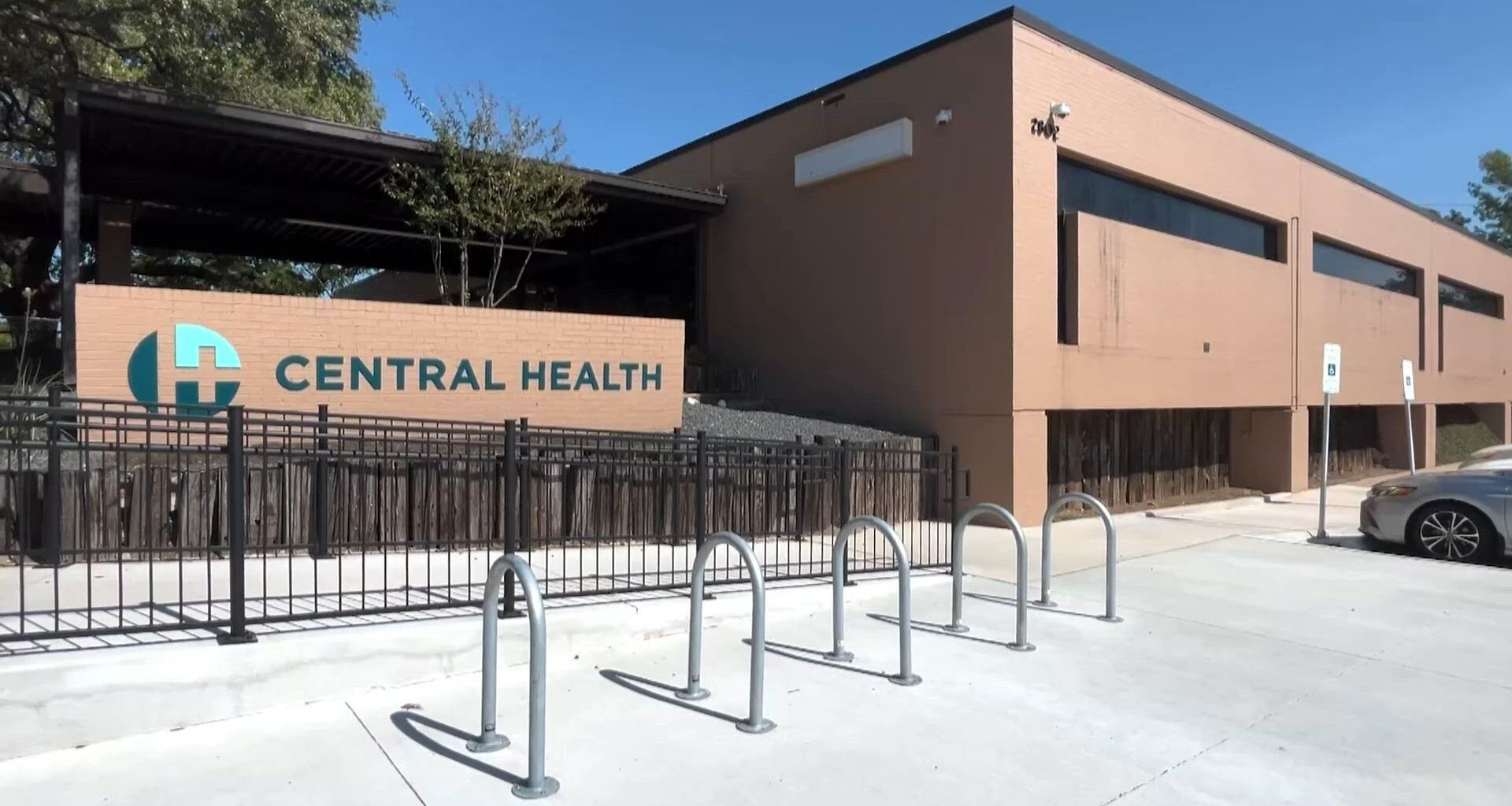
Central Health leaders met on Wednesday at the district’s administrative office in East Austin to provide taxpayers with more details about the proposed budget. The meeting was also one of the final opportunities for the public to weigh in before the board adopts next year’s budget.
Central Health considering three tax rate options
Under the proposed fiscal year 2027 budget, Central Health is considering three property tax rate scenarios: the no-new-revenue rate, a 6% increase and an 8% increase.
The board of managers voted to set the 8% increase as the maximum proposed rate, but the board has not made a final decision on which rate it will ultimately adopt.
For a median Travis County homestead valued at $372,638, the proposed options would result in different annual Central Health tax bills.
Under the no-new-revenue rate, the median homeowner would pay about $470 a year in Central Health property taxes. A 6% increase would raise that amount to about $496 a year, an increase of roughly $36 annually.
An 8% increase would bring the estimated annual tax bill to about $504, or approximately $44 per year. Officials said this option would generate an estimated $49.3 million in additional property tax revenue, while a 6% increase would generate about $42 million. Keeping the rate at the no-new-revenue rate would generate about $19.8 million.
Additional funding would support key priorities
Central Health CEO Dr. Pat Lee said the district is considering the higher rate to help fund three key priorities, including expanding healthcare coverage, improving access to primary and specialty care and expanding mental health services.
Lee said the need for additional mental health services is especially urgent.
“Mental health is before us; it’s a key crisis in our community,” Lee said. “The place where we deliver the most mental healthcare in our community is actually the jail, and our police officers are struggling to try to get people care that just doesn’t exist in our community.”
The proposed budget includes $27.3 million in mental health investments, including funding for new inpatient behavioral health services and a $7.3 million reserve to help fund future operations of a mental health crisis center being discussed with the city of Austin, Travis County, Integral Care and other community partners.
Lee said the proposed investments would help build the region’s mental healthcare infrastructure.
“This is an essential public health infrastructure for our mental healthcare for the future,” Lee said.
Central Health officials said adopting the no-new-revenue rate could force the district to make service cuts and could have long-term operational consequences.
“It’s, takes years to build the momentum that we’ve built on coverage, care, specialty access. A no-new-revenue rate would be, immediate speed bump,” Lee said.
Residents divided over potential increase
Some residents said they would support a tax increase if they believed the additional money would make a meaningful difference in the community.
Travis County resident Sam Ruiz said he understands people do not want to see their taxes increase but supports the proposal if the money is being used to help families and people in need.
“They are helping the community, and I think that they’re doing the right thing with the tax dollars. They’re going in the right direction,“ Ruiz said.
Others said taxpayers are already feeling the impact of rising costs across multiple taxing entities.
Matt Mackowiak, cofounder of Save Austin Now, said residents should consider the cumulative effect of multiple tax increases.
“You can look at any one of these individual tax increases and just say, ‘Oh, it’s $40 here. It’s not that big a deal,’ but it’s $1,500 more than it was three years ago from all the entities for if you live in the city of Austin,” he said.
Mackowiak said taxpayers are being stretched too thin and encouraged Travis County residents to weigh in as the budget process continues.
Central Health’s Board of Managers is scheduled to adopt its fiscal year 2027 budget on Wednesday, Sept. 9. Travis County commissioners are expected to take up the proposal the following week.