
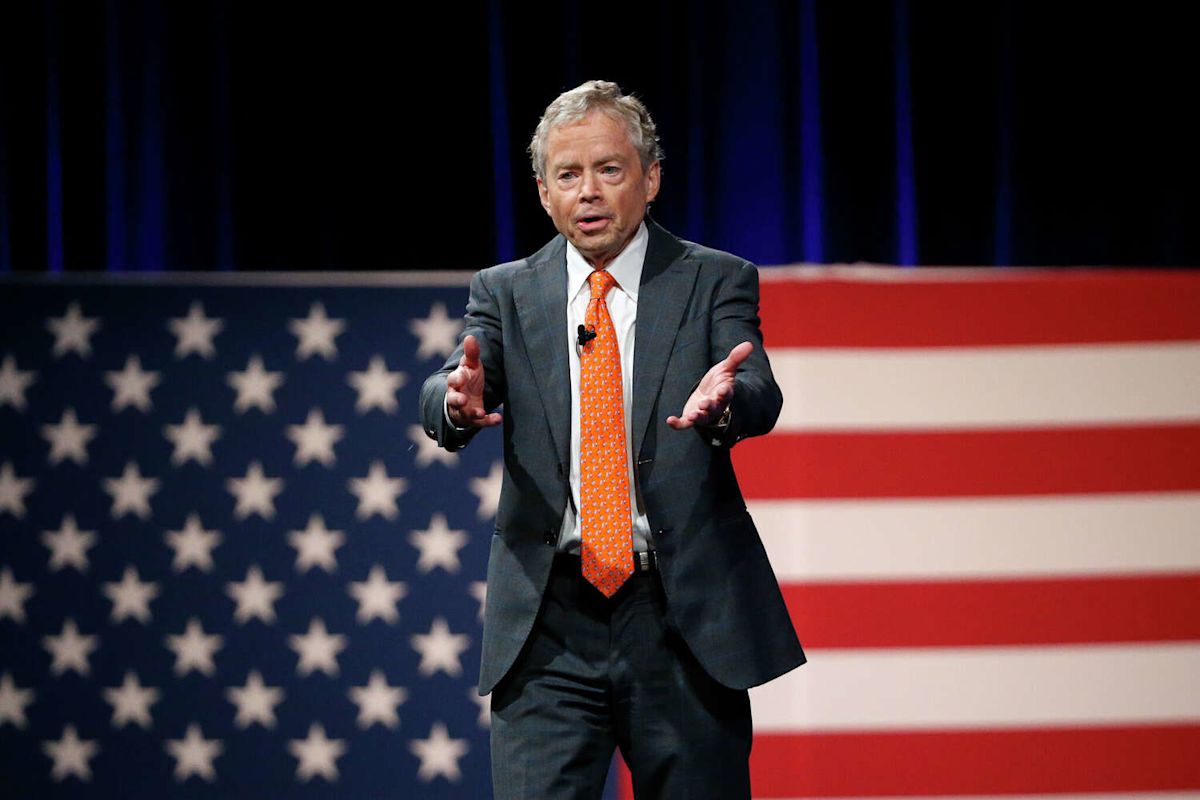
The Texas comptroller is asking lawmakers for $2 billion to fund school vouchers for the next two years, which would double the program’s current biennial allotment.
Don Huffines, who oversees the Texas Education Freedom Accounts, wants $916 million to continue funding participating students and $980 million to fund waitlisted students, according to the appropriations request for fiscal year 2028-29 filed this week.
Lawmakers allocated $1 billion to the program for its first two years. It offers families taxpayer money to offset private education costs. In its first year, nearly 110,000 students are participating, and 106,000 students remain on the waitlist.
Related:
A North Texas family got vouchers to attend the dream school. Using the funds came with sacrifices
“Comptroller Huffines recognizes the strong and growing demand from parents who are eager to have more options for their child’s education,” the request said. “The agency is requesting exceptional items that will further support greater choice in education.”
So far, the office has handed out $270 million to participating students, according to the document. Private schools have received more than $127 million in tuition. Families have spent $36 million through the program’s online marketplace.
The program is still awarding students on the waitlist, and families are still confirming their participation. More than 27,500 students have returned the voucher, according to records obtained by the Dallas Morning News through a request.
Related:
In addition to the waitlist, Huffines wants to give participating students more money. The office anticipates 4,200 students will switch from homeschool to a private school, which would increase their award by at least $8,474.
The office also expects 15,000 children with a disability to receive a new Individualized Education Program. The document is required for them to receive a higher award amount.
This year, some students struggled to secure an updated IEP in time to apply, and districts were inundated by requests for evaluations. Fewer than 30 students ended up getting the full $30,000 amount.
“The state has a moral imperative to serve these children,” Huffines wrote in his request.
The ask for more money quickly spurred criticism. In a statement, Texas State Teachers Association President Linda Estrada said districts are grappling with declining enrollments, school closures and tightening budgets.
Related:
Their schools closed. Now North Texas students are finding their place somewhere new
Vouchers subsidize families already sending their children to private school, she said. Roughly 70% of awardees were previously enrolled in private schools or were homeschooled, according to state data.
In other states, voucher spending has increased amid budget shortfalls. Florida’s program is expected to cost more than $4 billion next year, despite lawmakers staring down a $47 million gap in the state’s 2024-25 education budget.
That could happen in Texas, critics warn. By fiscal year 2030, Texas’ program could balloon to more than $4.8 billion, according to state estimates.
“If this tax drain isn’t stopped now, it will become unsustainable,” Estrada said.
Lawmakers will weigh the budget proposal when the legislative session begins in January.
Staff writer Milla Surjadi contributed to this report.
The DMN Education Lab deepens the coverage and conversation about urgent education issues critical to the future of North Texas.
The DMN Education Lab is a community-funded journalism initiative, with support from Bobby and Lottye Lyle, Communities Foundation of Texas, The Dallas Foundation, Dallas Regional Chamber, Deedie Rose, Garrett and Cecilia Boone, Judy and Jim Gibbs, The Meadows Foundation, The Murrell Foundation, Ron Steinhart, Solutions Journalism Network, Southern Methodist University, Sydney Smith Hicks, and the University of Texas at Dallas. The Dallas Morning News retains full editorial control of the Education Lab’s journalism.
Subscribe
This article originally published at Texas comptroller asks lawmakers to double school voucher funding to $2B.