
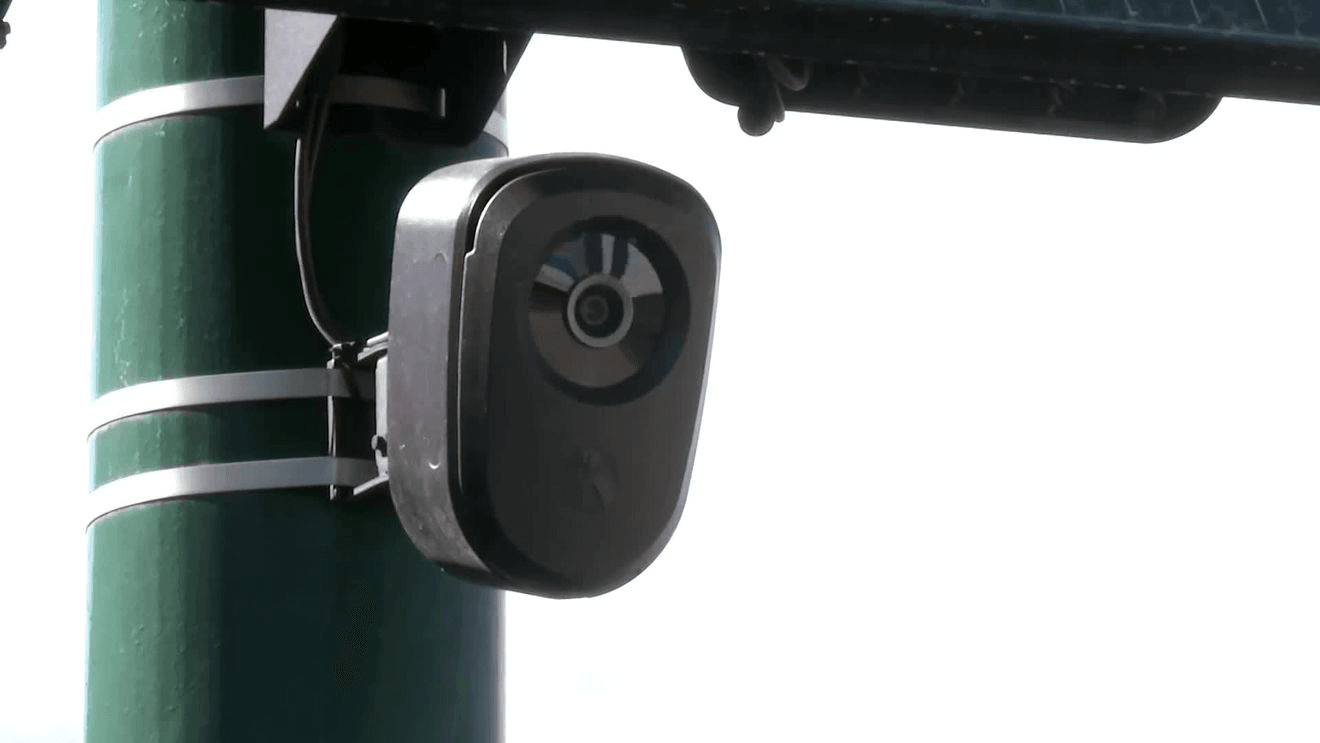
EL PASO, TEXAS (KFOX14/CBS4) — El Paso police have stopped using state-funded Flock cameras, a move that follows an order from Texas Gov. Greg Abbott directing state agencies to stop funding the automated license plate reader technology amid privacy concerns and reported misuse.
The El Paso Police Department confirmed Thursday it has halted use of the cameras, also known as automated license plate readers. Flock says the cameras capture license plates and vehicle details to help police develop leads.
City Rep. Chris Canales said El Paso’s system was paid for entirely through a state grant. Canales has pushed to end the city’s involvement with the technology, saying, “This is something that’s been an issue for quite a while now. I proposed earlier this year first that the city preemptively get out of the contract with Flock and then later that we not renew it when the time came to renew. And so I’m happy that this decision has been made.”
El Paso Police Chief Peter Pacillas said losing the cameras will affect some investigations and slow response times.
Following the recent order by Governor Greg Abbott prohibiting state funding for Automated License Plate Readers (ALPRs) the El Paso Police Department has halted the use of state-funded ALPR devices.While ALPRs serve as a critical tool that enhances investigative speed and public safety efficiency, EPPD has always operated this technology under strict oversight, limited access, and rigorous privacy safeguards. Restricting these devices shifts our work back to manual investigative methods, impacting overall response times.The El Paso Police Department remains committed to providing efficient, transparent law enforcement while protecting civil liberties and exploring solutions to keeping our community safe.
Jordan Salas reports on EPPD halts Flock camera use; questions remain over data (Credit: KFOX14)
Some residents said police should be able to do the job without the cameras. “That’s kind of your job, I believe… boots on the ground, you know, get out there and do some investigative work,” said Lucian Shaw, an El Paso resident.
Canales and City Rep. Lily Limón were the only two City Council members to vote in March to end the Flock agreement, but the effort failed on a 6-2 vote.
Privacy and who has access to the data have been among the concerns raised about the cameras.
Now that EPPD has stopped using the technology, some residents are asking what happens to information already collected and whether the cameras are still gathering data. “Why are they still up? Like, who has this information? Because if they’re still active, they’re still collecting data on all of us. So it’s like, who’s using this information and for what purposes,” said Abriel, who did not provide a last name.
Canales said the cameras and other hardware belong to Flock, not the city, but he wants the ones on city property removed. “I definitely plan to propose some formal plan to ask the City Council to approve removing the cameras from city right of way and city property,” he said.
KFOX14/CBS4 asked EPPD whether the cameras themselves are deactivated, whether they are still collecting or storing data, what happens to data already collected, and whether the department is looking for other funding.
EPPD referred questions back to the chief’s written statement and did not answer those questions in writing.
KFOX14/CBS4 later asked about future funding, EPPD Executive Assistant Chief Zina Silva said, “This is so new that we haven’t made any decisions at this time.”
RECOMMENDED: EPPD has effectively halted use of Flock license plate reader system
RECOMMENDED: City council votes to keep AI-powered Flock license plate cameras as contract nears end
Sign up to receive the top interesting stories from in and around our community once daily in your inbox.