
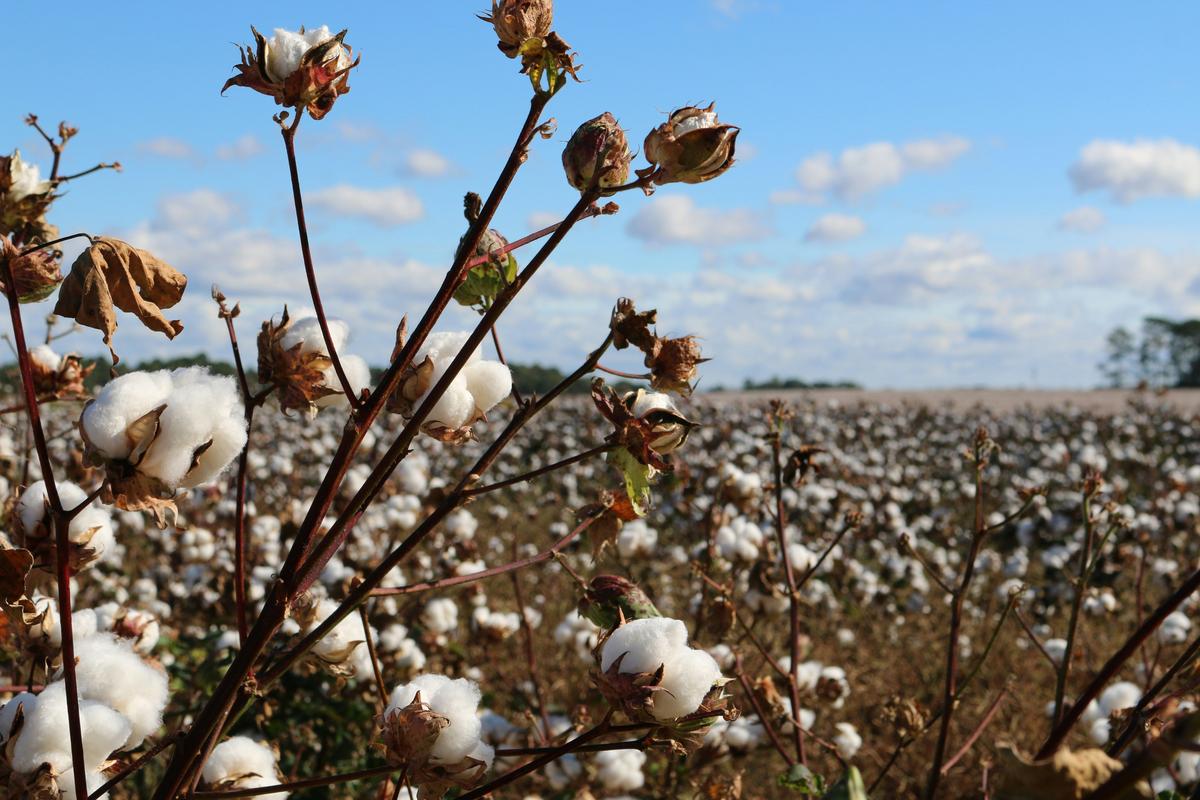
In other parts of the country, people look for the leaves to change colors to signify the arrival of fall.
Around here, we just look at the cotton.
Cotton is still a monster on the South Plains. Cotton is king, and it’s still the number one cash crop in the region. The Lubbock Economic Development Alliance says the area traditionally produces about a quarter of the nation’s cotton crop, while Texas Tech calls the South Plains the largest cotton-producing region in the world, with more than 3 million acres devoted to cotton.
Cotton is how we make bank around here.
But cotton is also one of the best ways to tell that fall has arrived.
West Texas Has Its Own Fall Colors
Some farmers can start harvesting cotton in late September. That’s early for much of the South Plains crop, but when you start seeing those first machines working the fields, you know what’s coming.
October and November are when cotton harvest really becomes part of the West Texas landscape.
Suddenly the fields that have been green all summer are covered in white. Cotton strippers start moving through the rows. Trucks and equipment start appearing on county roads. Modules begin stacking up, and the gins get busy.
That’s our version of leaves changing colors.
There’s also a race against the weather involved.
Cotton has to mature enough to harvest, and farmers often use harvest aids to encourage leaf drop, open mature bolls, and prepare the plants for the strippers. Sometimes a killing freeze helps finish that process naturally. During the 2025 Texas High Plains harvest, Plains Cotton Growers reported that some producers were specifically waiting for a killing freeze to help with defoliation.
But once those cotton bolls are open, farmers don’t necessarily want the crop sitting out there forever. Rain and other bad weather can damage exposed cotton and reduce its quality.
So there’s a window.
You want the cotton mature enough to harvest, but you also want to get it out of the field before West Texas winter weather starts throwing punches.
That usually puts the heart of cotton harvest right in the middle of what the rest of America calls fall.
And maybe that’s the easiest way to explain fall on the South Plains.
Read More: Why October Is Lubbock’s Most Comfortable Month
The calendar says fall begins in September. The weather may or may not agree. The trees around here aren’t going to put on some spectacular New England-style show.
None of that really matters.
Around Lubbock, fall happens when the cotton fields turn white and the harvest begins.
That’s our fall color.
Lubbock Crime Rates vs. Surrounding Areas: Which Cities Are Safest?Think of moving slightly out of Lubbock? This is how our surrounding areas compare to Lubbock crime rates, according to crimegrade.org, which looks at both property and violent crime in its rankings. Spoiler alert: they are all at least marginally safer (or significantly safer), as Lubbock carries a D- rating.
Gallery Credit: Renee Raven