
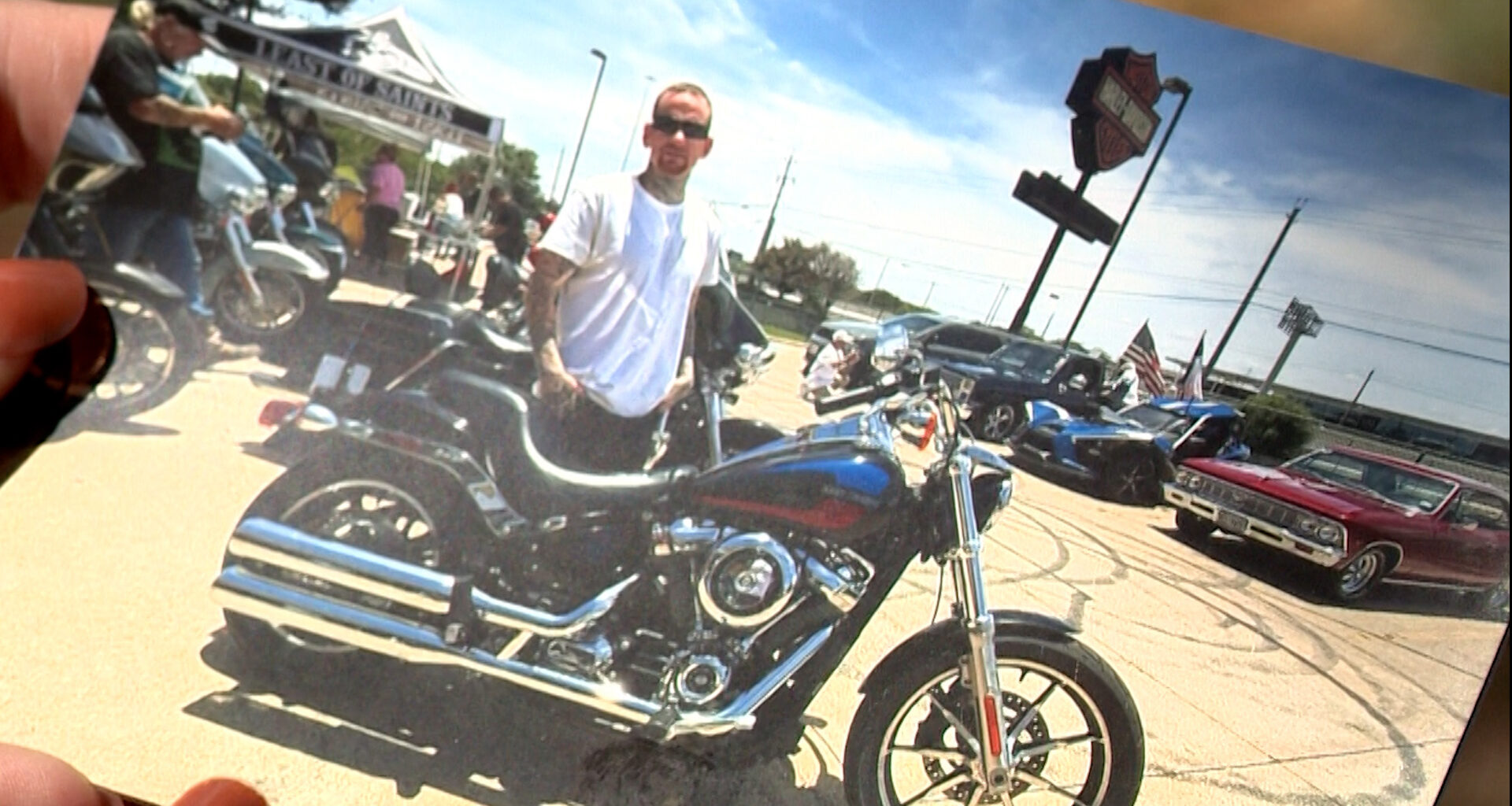
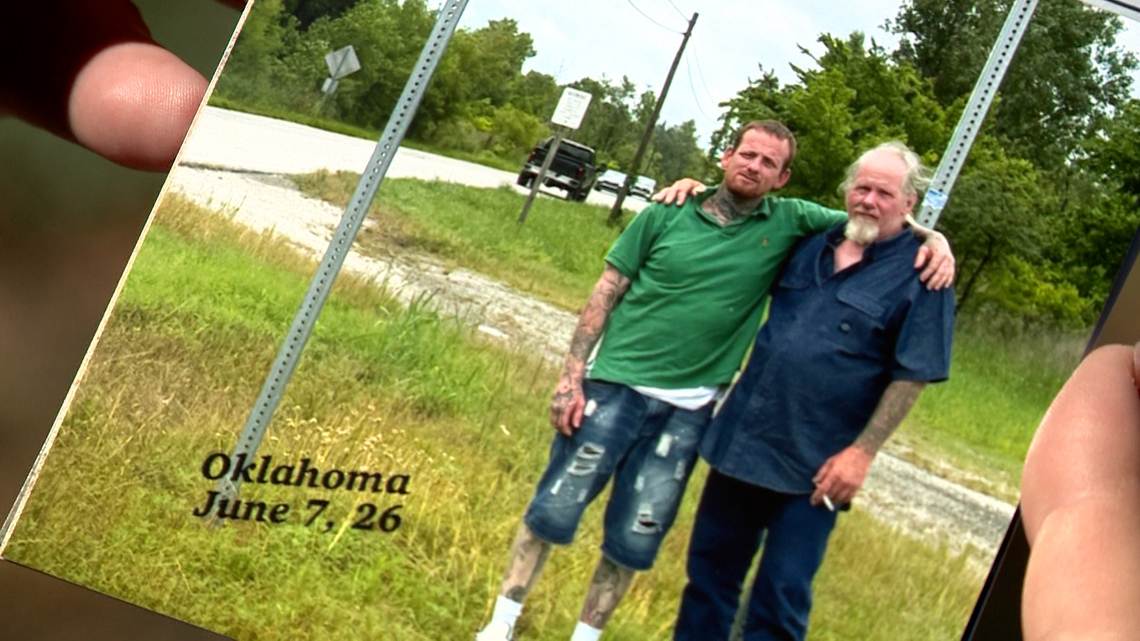
Jeremy Akers was rebuilding his life, reconnecting with his family and planning a business with his father before the 39-year-old was killed.
SAN ANTONIO — Jeremy Akers moved to Texas searching for a fresh start.
He found faith after serving time in prison, began rebuilding relationships with his siblings and planned to open a landscaping business with his father. He also hoped to bring his four children from Kansas to Austin.
His life ended Monday night below San Antonio’s Finesilver Curve.

This story continues below.
San Antonio police said Akers was riding a motorcycle southbound on Interstate 35 at a high rate of speed when he failed to negotiate the curve leading to westbound Interstate 10. He struck a retaining wall, was thrown over it and landed on the ground below.
His father, Richard Freeman, believes speed should not be the end of the conversation. He wants authorities to examine whether more can be done to make the notoriously sharp curve safer.
“Why are you steady, you know, putting it out onto the public — speed, speed, speed?” Freeman said. “I’ve never heard you once take the responsibility and say our road conditions.”
Freeman said he does not know why his son traveled to San Antonio that day. Had he known about the trip, he said he likely would have joined him.
“I don’t even know why he came up here,” Freeman said. “He wasn’t on the path to our house, so I’m still puzzled.”
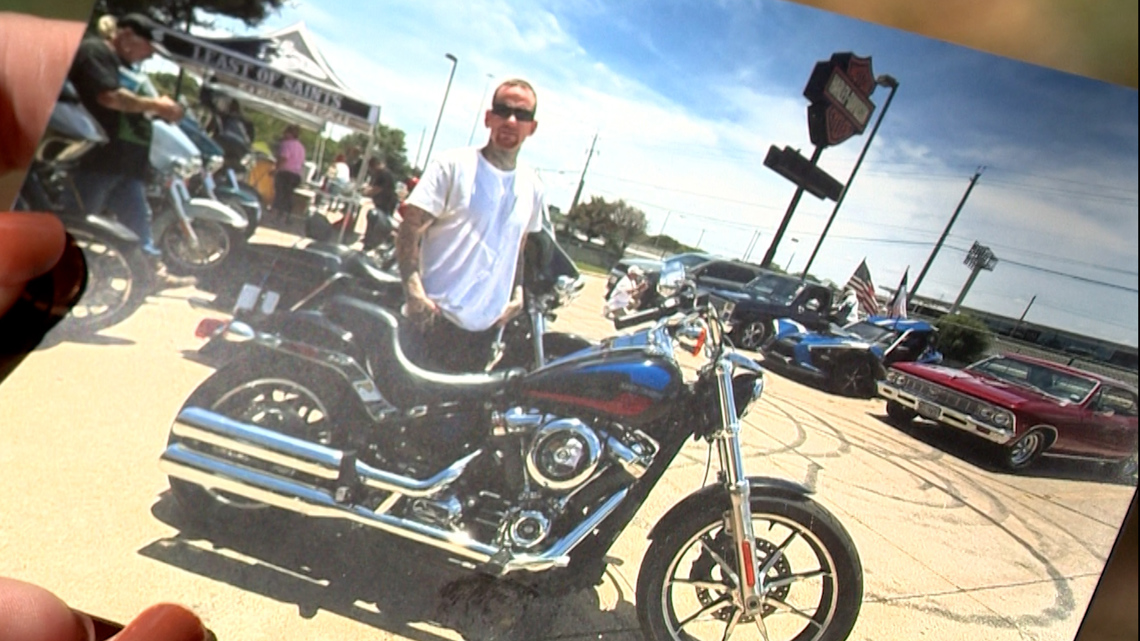
Four motorcycle deaths in seven days
Akers was among four motorcyclists killed in crashes across the greater San Antonio area during a seven-day period.
A 17-year-old rider died Sept. 3 after colliding with two pickup trucks on State Highway 46 near Smithson Valley High School. Three days later, 19-year-old Nathaniel Perez struck a highway wall near the U.S. 281 and I-35 interchange in San Antonio and was ejected into a parking lot below.
Akers died Sept. 7. A fourth rider, a 22-year-old man, died Sept. 9 after being ejected from his motorcycle on I-35 in New Braunfels and struck by several vehicles.
Freeman specifically cited the deaths of the two younger riders as he called for greater scrutiny of motorcycle safety and roadway conditions.
“I’m not looking at just Jeremy,” Freeman said. “I’m looking at the other 19-year-old, you know, the other 17-year-old.”
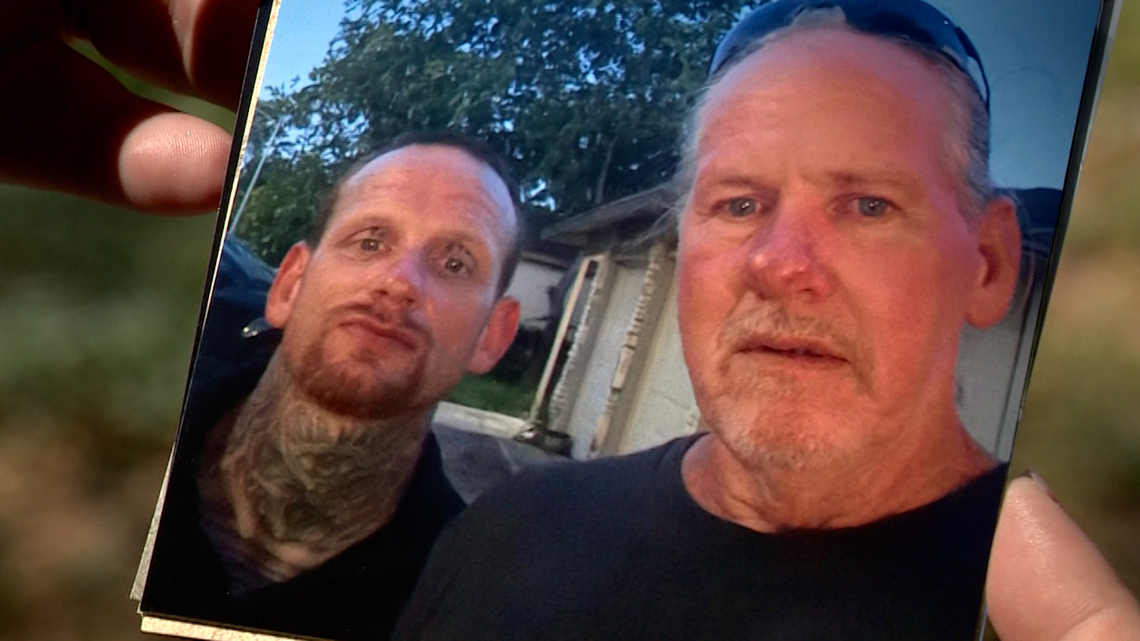
Rebuilding his life and family
Akers moved to Austin about nine or 10 months before his death and was living at Texas Reach Out Ministries, a Christian nonprofit that helps formerly incarcerated people rebuild their lives.
Freeman said his son left home at 15, moved to Missouri and later married. Akers eventually served time in prison, but his father said that chapter did not define the man he was becoming.
“I’ve witnessed and watched him turn his life over to God,” Freeman said. “It’s the best I’ve ever seen him do.”
Akers was also working to repair his relationships with his two sisters and two stepbrothers.
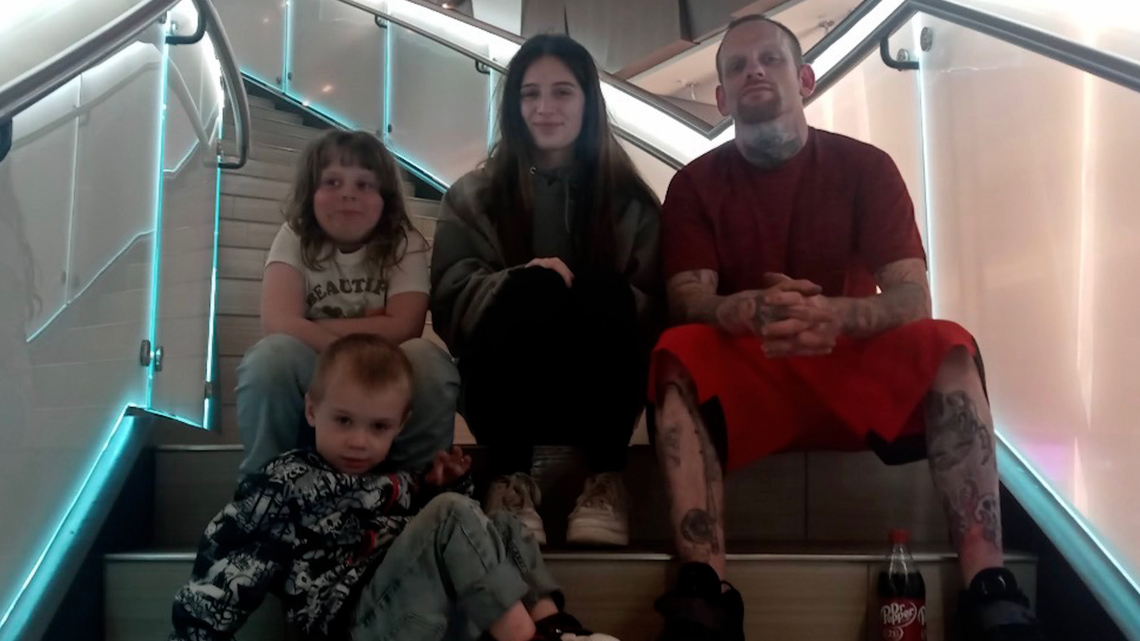
Freeman said his son’s four children motivated his transformation.
“That’s what kept him going and one of the reasons why he turned his life over,” Freeman said.
Akers’ children lived in Kansas, and he hoped to bring them to Austin.
“His kids was his life,” Freeman said. “Everything he did, he wanted to do for them.”
Freeman described Akers as such a devoted parent that he nicknamed him “Mr. Mom.”
“He didn’t go nowhere,” Freeman said. “He didn’t do nothing unless the kids were with him.”
Plans for the future
Freeman and his son spoke by phone every morning around 5:30 as they drank coffee, prepared for work and planned their days.
The two were discussing opening a landscaping business together. Freeman said Akers had ambition and approached even the smallest details with determination.
“He would sit there and watch videos just on weed eating because he wanted to be a great weed eater,” Freeman said.
Freeman has ridden motorcycles for most of his life, and Akers had long wanted to join him.
A motorcycle Freeman left with his son became the first bike Akers regularly rode. About a year ago, Akers began riding more and started talking about taking trips with his father.
Freeman recalled his son asking whether he wanted to ride to Kerrville or visit the large cross overlooking Interstate 10.
Those conversations represented the future Freeman believed they would share: motorcycle rides, morning coffee and a business they could build together.
Calls for another examination of the curve
Public reports show at least four crashes on the Finesilver Curve within the past year, including three involving overturned 18-wheelers.
The elevated connector ramp has a history of crashes, particularly involving commercial vehicles attempting to navigate its tightening turn.
In a statement, the Texas Department of Transportation said it has implemented several safety improvements along the curve.
The agency told us, “TxDOT has implemented several safety improvements along the Fine Silver Curve in recent years, including enhanced signage, pavement markings and other measures to improve driver awareness through the corridor. These improvements have been complemented by advancements in commercial vehicle technology, such as in-cab safety messaging systems for truck drivers. Most recently, TxDOT completed a bridge rail replacement project that further enhanced safety features in the area. TxDOT encourages all drivers to slow down, remain alert, obey posted speed limits and follow roadway signage when traveling through the corridor.”
Freeman, however, wants authorities to examine the curve again and determine whether additional changes could prevent another death.
For him, the debate is no longer simply about signs, speed limits or roadway design. It is about the son he watched fight for a second chance.
“I was proud of my son,” Freeman said.
Freeman created a GoFundMe campaign to help pay for Akers’ funeral and bring his four children to Texas from Kansas. Click here if you’d like to make a donation.