
There is promising news in the fight against opioid overdoses in Texas, with data showing overdose deaths have declined in recent years.
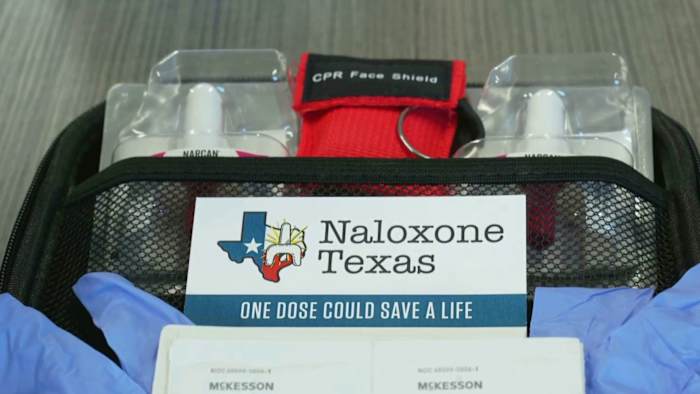
But Houston-area medical experts say the decrease does not mean the opioid crisis is over, and they are urging families to remain prepared for an overdose, including keeping Narcan in their homes.
Dr. Shabana Walia, a physician with UTHealth Houston and clinical medical director for the Honor’s Heroes opioid use disorder treatment program, says opioid overdoses can happen to people who do not consider themselves illicit drug users.
That includes people taking prescription opioid medications.
Walia says accidental overdoses can happen when someone takes too much medication or when a drug is unknowingly contaminated with an opioid.
“We see a lot of accidental overdoses as well,” Walia said. “We see kids getting into medication cabinets for their parents.”
She said older adults living with family members can also accidentally take an extra dose of pain medication.
According to Walia, signs of an opioid overdose can include:
Very small or pinpoint pupils
Decreased level of consciousness
Unconsciousness
Slowed breathing
Breathing that has stopped
Walia says her clinic has also seen young people receiving treatment for opioid use disorder, highlighting why she believes families should take precautions regardless of whether anyone in the household uses illicit drugs.
Walia says Narcan, the brand name for naloxone, should be considered a basic item in every household’s medicine cabinet.
That includes families, people who live alone and college students.
She says there is sometimes concern that having Narcan available could encourage drug use. But she compares it to keeping other emergency medications on hand.
“As someone trained in public health, I think Narcan should be in every home,” Walia said.
Naloxone is available as a nasal spray and can temporarily reverse the effects of an opioid overdose.
If you believe someone is experiencing an opioid overdose, Walia says to administer Narcan and call 911 immediately.
The person still needs emergency medical care because the amount or type of opioid in their system may require additional treatment. Naloxone can also wear off while opioids remain in the body.
Although opioid overdose numbers have improved, experts say the continued presence of fentanyl and the possibility of accidental exposure mean people should not assume an overdose cannot happen in their household.
Keeping naloxone readily available can give someone a critical chance to survive while emergency responders are on the way.
Breaking News Alerts
More Stories Like This In Our Email Newsletter
Copyright 2026 by KPRC Click2Houston – All rights reserved.