
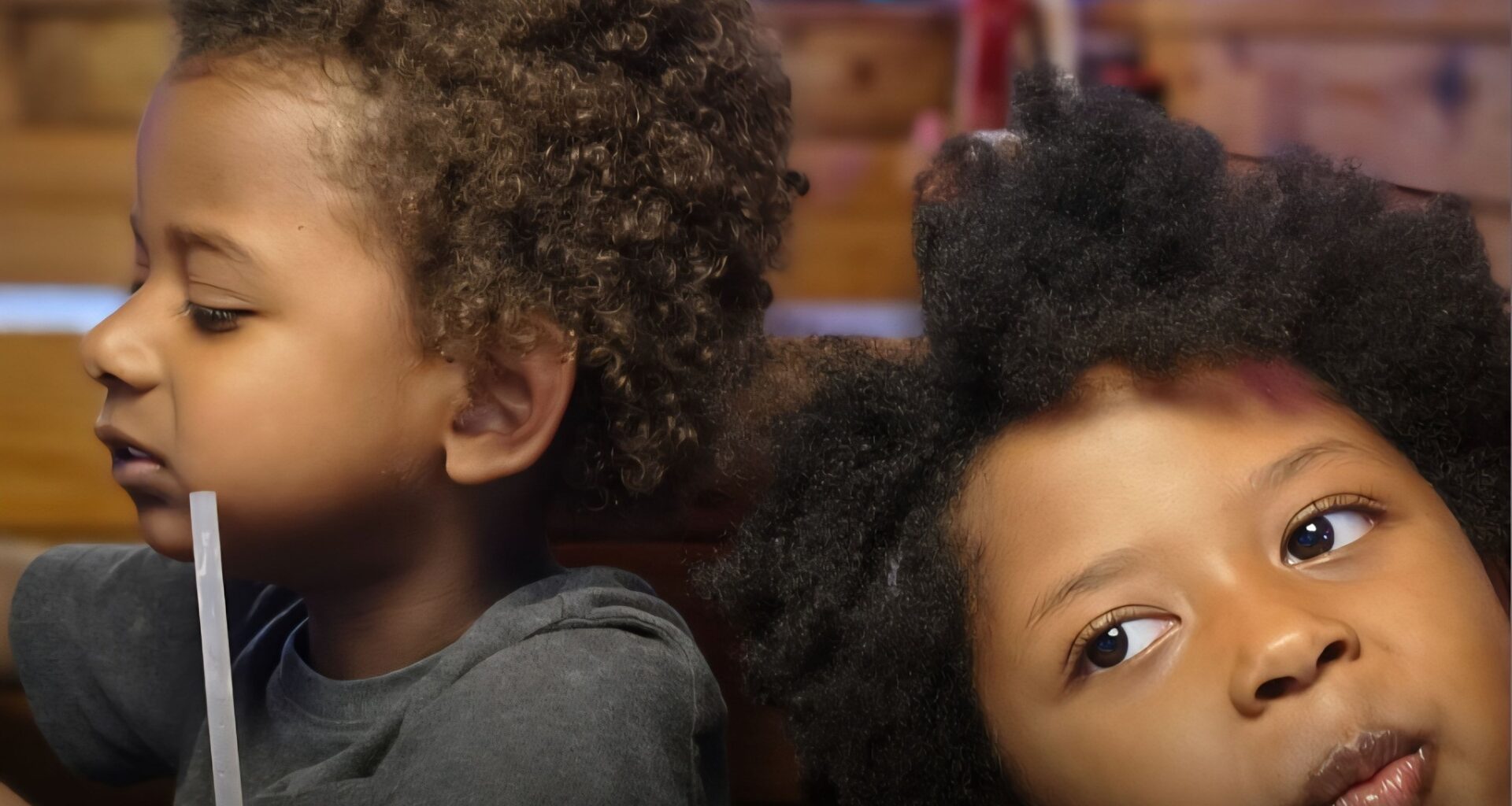
Adrian Akeel Vidal, left, and his sister, Aleeza Elena Vidal, are pictured in an undated family photo. Their deaths, despite CPS intervention, warrant further review.
Courtesy: Eagles Flight Advocacy
When children die in our community, we should all be moved to reflection and action.

We may not know the children, and may not share responsibility in their deaths, but we should share the responsibility to ensure our community is as safe as possible for all children. Our grief should fuel a sense of shared responsibility to prevent future deaths.
Article continues below this ad
This also applies to government, especially those agencies tasked with ensuring kids in vulnerable situations are safe. This brings us to 6-year-old Aleeza Vidal, and her 5-year-old brother Adrian. Most of us know their names because they are dead, and for those of us who have followed this tragic story, there are profound questions about why staff with Child Protective Services, CPS, and the Texas Department of Family and Protective Services, TDFPS, did not intervene at multiple points and prevent these deaths.
Let’s be clear, workers with CPS and TDFPS often find themselves in impossible situations. Best practices call for keeping children with their families, but when a child dies, the public scrutiny and outrage are swift and intense.
Still, we are haunted by these deaths, and the questions of what could have been for these children with stronger agency intervention.
The siblings were found dead in a burning SUV on May 15 in west San Antonio.
Article continues below this ad
Their mother, Marlene Vidal of Edinburg, allegedly stabbed the children to death before setting the vehicle on fire. She has been charged with capital murder, and she has pleaded not guilty.
These deaths are made even more haunting because, for the past year, CPS and other agencies had been warned about Vidal’s mental deterioration and potential danger to the children.
Vidal first appeared on CPS’ radar in June of 2025 when she had a psychotic break, according to the investigative report from the TDFPS obtained by Express-News reporter Nancy M. Preyor-Johnson.
The Texas Department of Family and Protective Services oversees Child Protective Services.
Article continues below this ad
Leading up to the psychotic break, Vidal had begun saying that that she was being followed, Aleeza was possessed and someone was trying to poison her and the children. In June of 2025, she showed erratic behavior during a law enforcement stop. Vidal was placed in a mental health facility during, and her children were cared for by an aunt. After she was released, the children were again place with Vidal, but she didn’t continue with required therapy and treatment including participating in family safety services.
On May 13, Vidal left her aunt’s home with her two children. Law enforcement was contacted and a request for a welfare check was made, but details are vague. A family member, who had spoken with Vidal by phone, told state officials that Vidal was screaming had said if anyone were to hurt her children, “it would be done by her,” according to the report.
Two days later, the children were found dead.
In deciding that the children were safe in their mother’s custody, CPS classified the case a “moderate risk.”
Article continues below this ad
One of the frustrating aspects about this investigative report is its failure to answer basic questions as well as explain CPS’ poor tracking of Vidal or the failure to maintain treatment. Did Vidal’s behavior meaningfully change or improve over the last year?
She thought her daughter was possessed. What was it about Vidal’s behavior from June of 2025 to May of 2016 which made CPS confident that she would not hurt her children.
Article continues below this ad
This case deserves a deeper investigation to better understand how the state could have improved in its response, and what policies might need to change to ensure other children are safe. It is one way to honor Aleeza and Adrian Vidal, who should still be alive.