
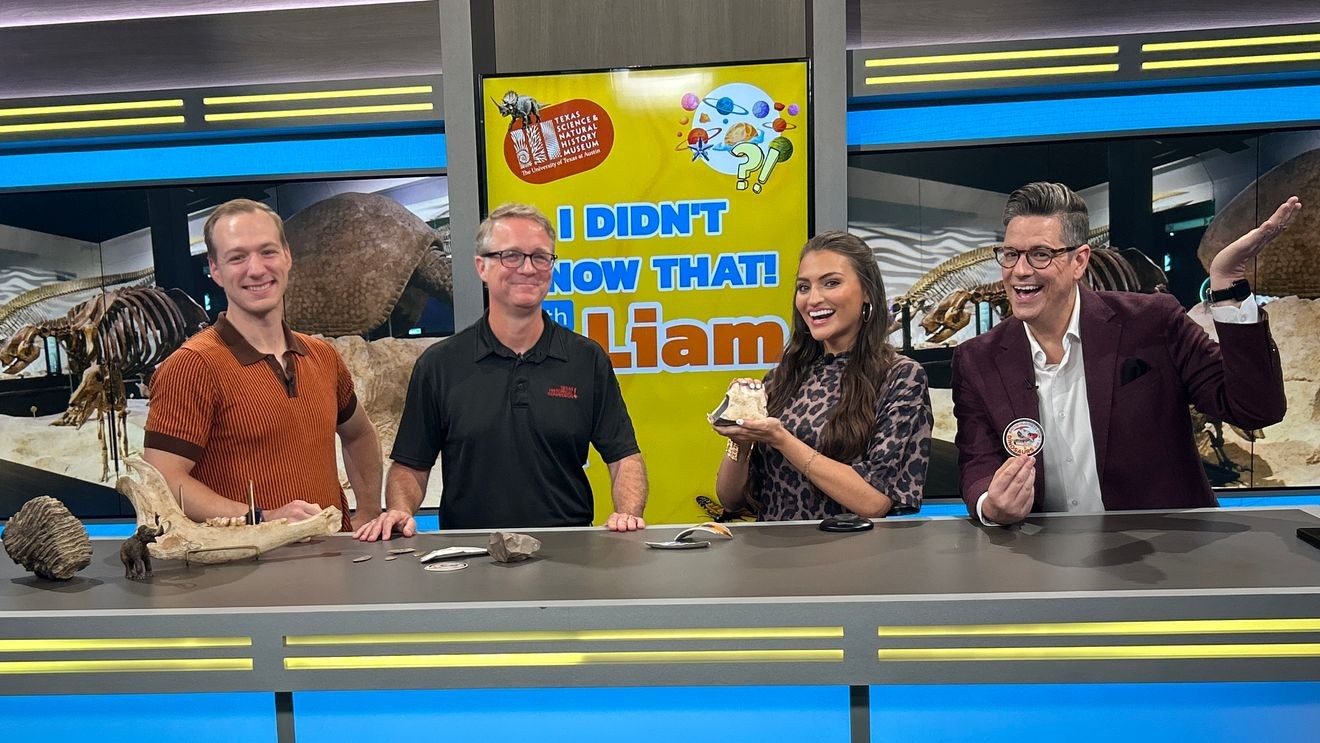
Texas Archeology Fair Digs Into 16,000 Years of Human History in the Lone Star State
What’s the difference between archeology and paleontology, and what should you do if you stumble across an artifact in Texas? “We Are Austin” hosts Trevor Scott and Sierra Waggoner dug into those questions with Dr. Liam Norris and State Archeologist Brad Jones ahead of the Texas Archeology Fair.
For a new edition of “I Didn’t Know That,” Trevor and Sierra welcomed Dr. Liam Norris of the Texas Science & Natural History Museum and Brad Jones of the Texas Historical Commission to explore the clues scientists use to understand the past and preview a hands-on event coming up at the museum.
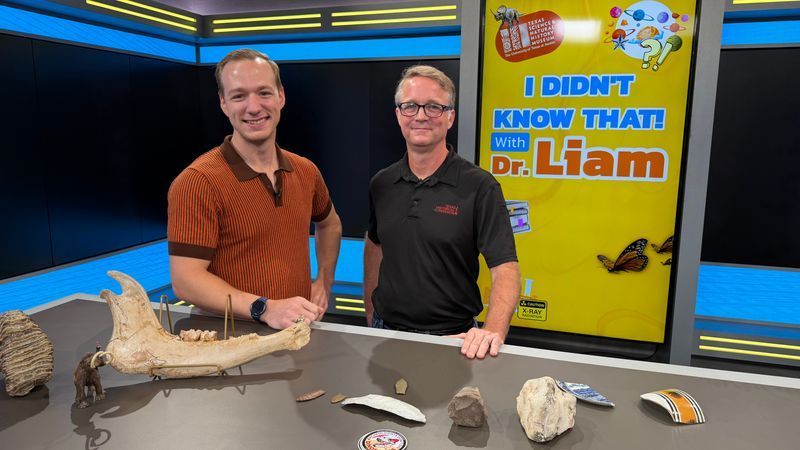
For a new edition of “I Didn’t Know That,” Trevor and Sierra welcomed Dr. Liam Norris of the Texas Science & Natural History Museum and Brad Jones of the Texas Historical Commission to explore the clues scientists use to understand the past and preview a hands-on event coming up at the museum.
Archeology vs. Paleontology
The distinction between the two fields comes down largely to what researchers are trying to understand.
“Paleontology is the study of fossils to understand non-human life,” Norris explained.
A bison jaw or mammoth tooth, for example, might initially fall into a paleontologist’s territory. But evidence of human interaction can change the story.
“As an archeologist, what I study are people and the things that people do in the past,” Jones said.
Find stone tools alongside ancient animal remains or evidence that people cut the bones, and you’ve potentially found an archeological site.
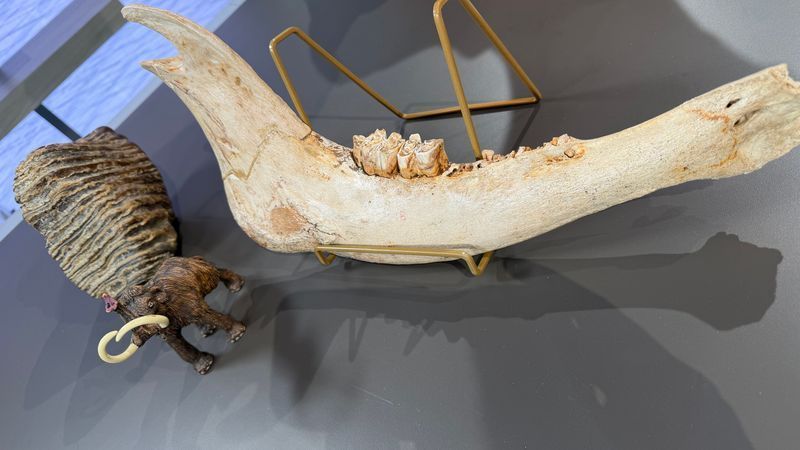
For a new edition of “I Didn’t Know That,” Trevor and Sierra welcomed Dr. Liam Norris of the Texas Science & Natural History Museum, and Brad Jones of the Texas Historical Commission to explore the clues scientists use to understand the past, and preview a hands-on event coming up at the museum.
What Can Archeologists Find in Texas?
Jones says stone tools are among the artifacts most commonly associated with Texas archeology, particularly in Central Texas, where chert found in limestone provided material for toolmaking.
One example brought to the We Are Austin studio was a roughly 12,000-year-old Clovis core from which pieces could be removed and fashioned into tools.
“Through time, we can tell styles change,” Jones said. “So we can tell time by looking at the different types of points we see across the state.”
And the history runs deep. Jones said evidence indicates humans have been in the region for at least 16,000 years.
Archeology isn’t limited to the distant past, either. Researchers also study relatively recent artifacts, including pottery and objects connected to early Texas settlers.
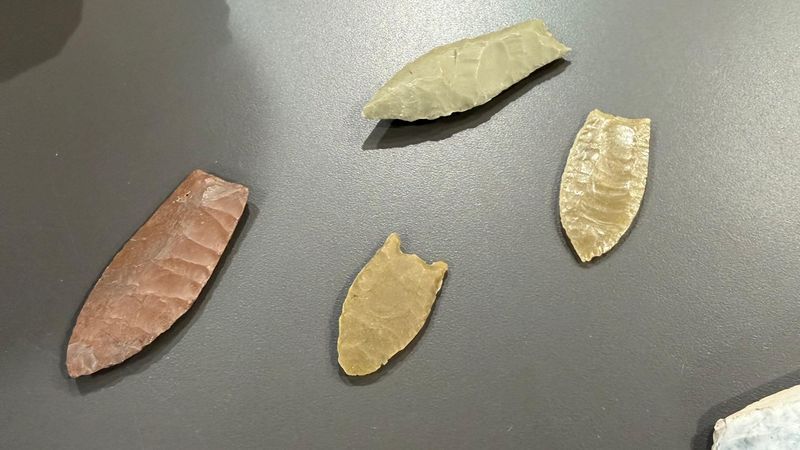
For a new edition of “I Didn’t Know That,” Trevor and Sierra welcomed Dr. Liam Norris of the Texas Science & Natural History Museum and Brad Jones of the Texas Historical Commission to explore the clues scientists use to understand the past and preview a hands-on event coming up at the museum.
What Should You Do If You Find an Artifact?
For amateur explorers, one lesson is especially important: don’t immediately pick something up and take it home.
“The key thing for archeologists is context is king,” Jones said. “Where that object came from, what it’s with, that’s what really tells us about the past through archeology.”
Instead, he recommends photographing and documenting a potential artifact and contacting experts such as the Texas Historical Commission, Texas Archeological Society, or a local museum.
If something is discovered on public land, Jones says it is particularly important to leave it where it is.
I Didn’t Know That!? with Dr. Liam: Texas Archeology Fair digs deep into human history
Explore Archeology for Yourself
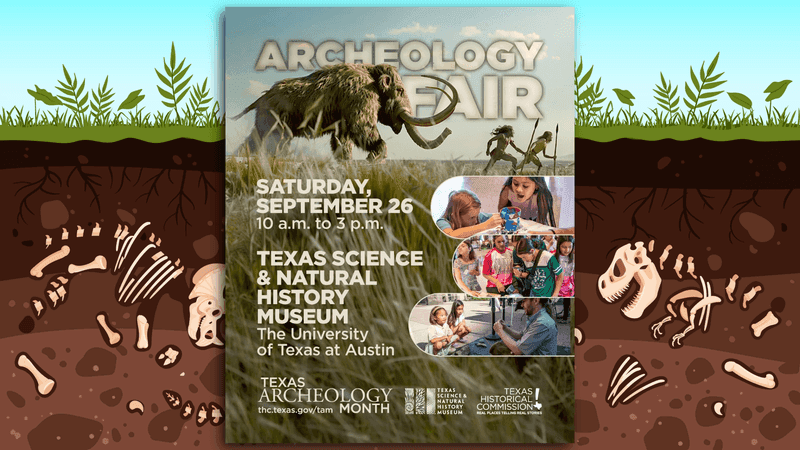
The Texas Archeology Fair is happening Sept. 26 from 10 a.m. to 3 p.m. at the Texas Science & Natural History Museum.
The event celebrates Texas Archeology Month a few days early and will feature more than 20 booths from organizations including the Texas Historical Commission, Texas Archeological Society, Gault School, and museums.
Visitors don’t need any previous archeology knowledge to participate.
“The more that you know, the deeper your questions can be,” Norris said. “But there will be experts who can answer any questions that you might have.”
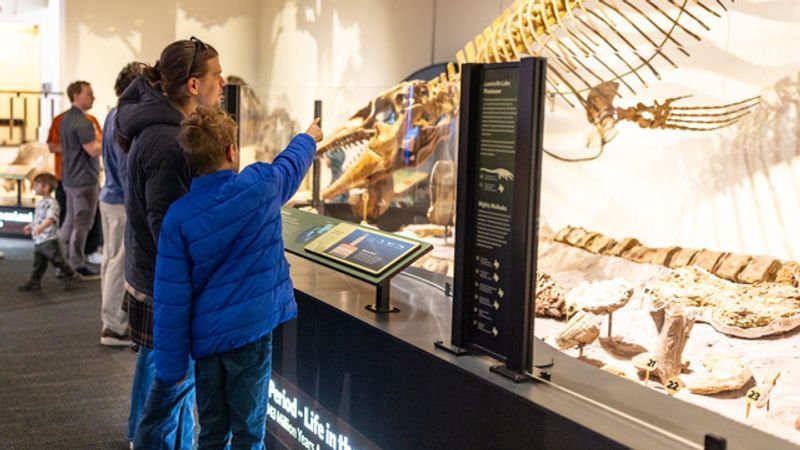
Museum visitors can also make connections between Texas fossils and the people who once encountered those animals, including mammoths and even giant ground sloths.
I Didn’t Know That!? with Dr. Liam: Texas Archeology Fair digs deep into human history
Visit the Texas Science & Natural History Museum and Texas Historical Commission online for more information about the Texas Archeology Fair and Texas Archeology Month.

I Didn’t Know That!? with Dr. Liam: Texas Archeology Fair digs deep into human history