
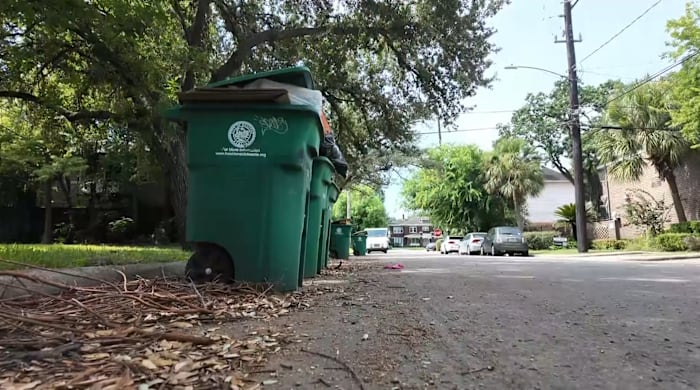
HOUSTON – Most Houston residents have started seeing a new $5 monthly solid waste administration fee on their September water bill, a charge city leaders say is meant to help stabilize a household sanitation service system that has drawn years of complaints about missed pickups and inconsistent service.
But Houston Public Works Director Randy Macchi said the fee, at least for now, is not designed to fully pay for the system and he said the city’s overall costs far exceed what the new charge will bring in.
“You know, ultimately five bucks, first of all, is not going to cover the cost of the operation,” Macchi said in an interview to ENOUGH’s Joel Eisenbaum.
Macchi said the fee will generate about $25 million annually, while he put current costs for the solid waste operation at about $137 million. Macchi told Eisenbaum he expects costs to come down over time as the city addresses backlogged problems and improves efficiency.
MAP: Houston neighborhoods with the most missed trash pickup complaints
“I don’t think it’s $137 million a year,” Macchi said, describing the figure as a starting point as the city tries to “catch up really quickly on a number of problems.” He said he believes the number will be lower “once you bring in efficiencies.”
A Burns & McDonnell cost-of-service and enterprise fund study prepared for the city and dated May 4, 2026, projects a potential total monthly solid waste cost of $27.28 per household, according to the study’s summary materials. The study describes that total as a $24.72 residential solid waste fee plus a $2.56 Clean City fee.
The study also lays out why city officials say additional revenue is needed. It says the Solid Waste Management Department has expanded beyond core garbage and recycling pickup over time, and that maintenance and infrastructure improvements “have been deferred for decades.”
The study projects annual costs for SWMD services at more than $160 million in fiscal year 2026 and $235 million in FY 2030, not including certain variable costs such as additional cleanup needed after significant storms.
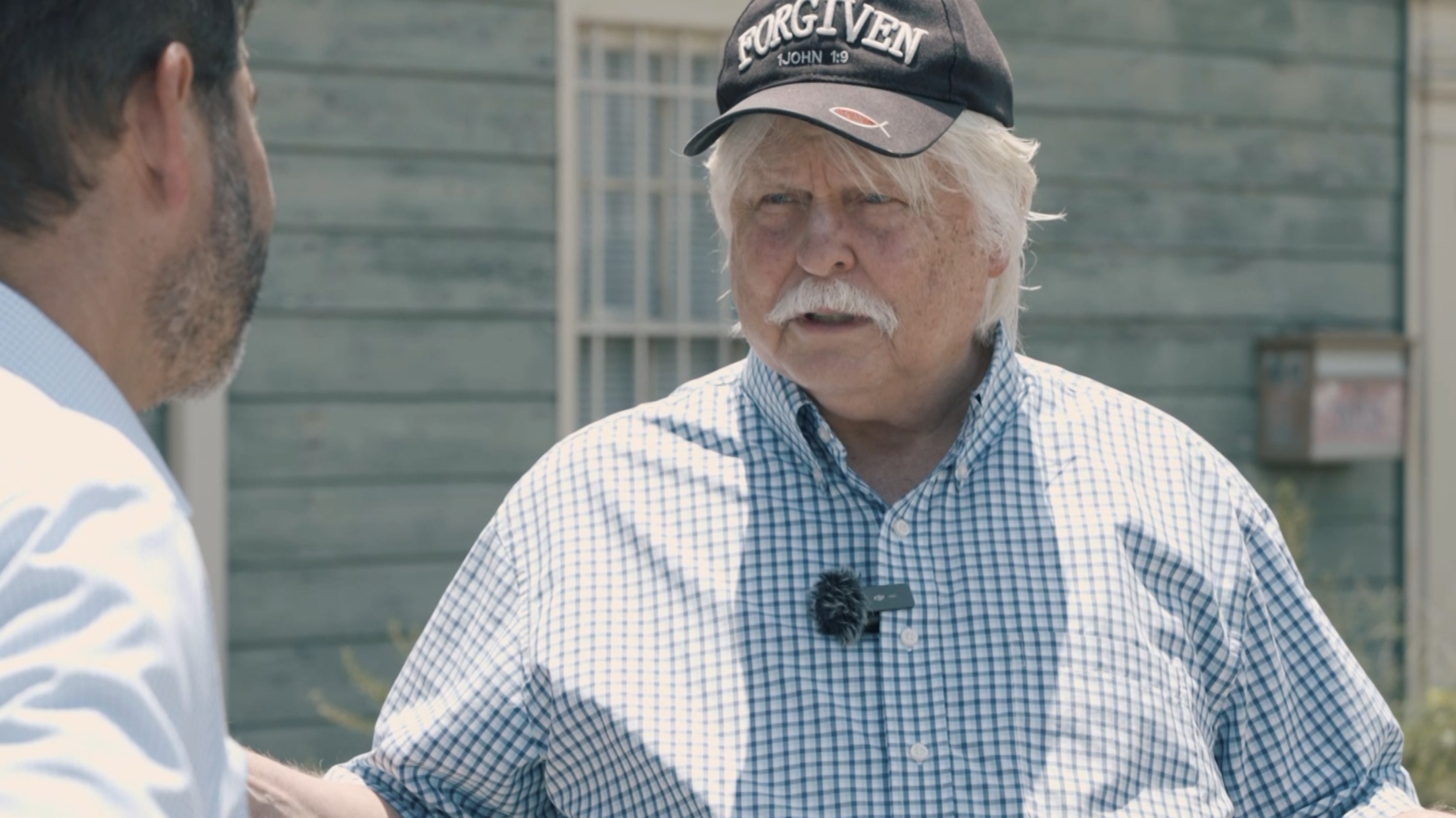 Ken Gantt lives in Garden Oaks and has had enough of his trash not being picked up. He spoke to Reporter Joel Eisenbaum about it for our story (KPRC 2026)
‘We really just want the trash to be picked up’
For residents, the debate over rates and long-term planning often comes down to a simple expectation: consistent pickup.
“We’ve told the city to come out and pick up this trash,” one resident said in an interview clip included in the broadcast script.
Another added: “We really just want the trash to be picked up.”
Ken Gantt said he called the city 11 times last year after his garbage was not picked up.
“They do it every once in a while,” Gantt said. “But I keep telling them … there’s a house by itself on Shepherd.”
The ENOUGH team brought Gantt’s missed pick-ups issue to the City of Houston.
Macchi said that the issue appeared to be with Houston Solid Waste’s truck routing in Gantt’s neighborhood, which appeared to skip his home because of it’s location away from other houses on the route.
Macchi said that problem has since since been corrected and provided photos of the garbage pickup at Gantt’s home.
The Burns & McDonnell study includes performance-related benchmarks that echo the frustration residents describe. The study says the department “currently averages collection rates of 85% for residential garbage” and 65% for recycling and heavy trash. It says meeting an “industry-standard 99% collection rate across all services” would require additional vehicles and staff to run 114 additional weekly routes.
The study also points to equipment challenges, saying 34% of the solid waste fleet is 7 years old and older and describing an industry best practice of replacing collection vehicles every seven years.
What the fee can — and can’t — do
Macchi said the $5 fee is a step toward building a more sustainable funding model, but he emphasized it will not cover the full cost of the operation. He also said the city conducted the Burns & McDonnell rate study to better understand what solid waste services actually cost and what a longer-term system could require.
Macchi said the city will also explore additional revenue opportunities beyond individual homeowners.
RELATED: Houston’s $5 solid waste administration fee: What to know
“There are revenue opportunities that extend beyond just the individual homeowner,” he said.
Maachi said thhat those revenue opportunities for the city could include commerical and apartment complex service.
Currently, the city’s curbside sanitation system is designed to serve customers who dwell in single family homes.
Editor’s note: The Burns & McDonnell study cited in this story was provided to the newsroom. The city has not posted a public link, and key cost and revenue estimates referenced in this story were provided by Public Works Director, Randy Macchi, during an interview.
Copyright 2026 by KPRC Click2Houston – All rights reserved.