
When the sale of Frank Kent Motor Co. closed in early October, it marked the end of an era for a Fort Worth business that bore its founder’s name and remained under family ownership for nine decades.
Frank Kent was a Missouri native who found his way to Fort Worth in 1917 in pursuit of a local young woman. That mission was interrupted by the United States’ entrance into World War I, which saw Kent serve in France with an all-Black Army regiment that earned fame as the “Harlem Hellfighters.”
After the war, Kent would return to Texas, get married, build a successful auto dealership empire and leave a lasting legacy in the city that he embraced as his home. He was known for his engagement in the community, serving on numerous boards and even reaching out to strangers to congratulate them on promotions when he read about them in the newspaper.
“Frank Kent was, in some ways, Mr. Fort Worth,” says Ed Wallace, a longtime friend of
the Kent family, auto business historian and a 30-year host of a radio program.
Kent began with a Ford dealership he bought in 1935. He sold that in 1953 to become the Cadillac dealer for Fort Worth and, at the time, was the brand’s distributor for much of North and West Texas. The business was eventually passed down to his great-grandchildren.
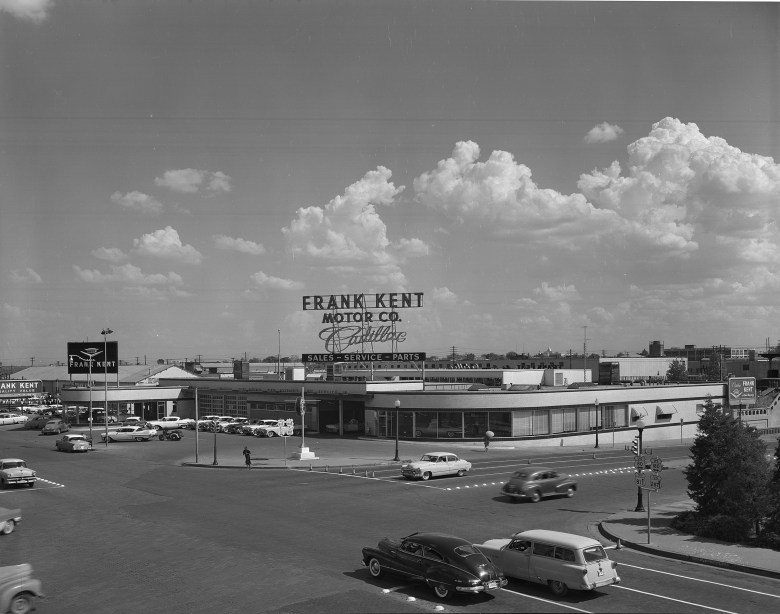 A view of Frank Kent Motor Co.’s building in 1957 in Fort Worth. (Fort Worth Star-Telegram Collection, University of Texas at Arlington Libraries)
Just before the recent dealership sale was finalized, his heirs stressed that new owner Autobahn Fort Worth was the only group they’d let continue using the family name.
“We understand the responsibility of taking care of the Frank Kent legacy,” great-granddaughter Corrie Watson said. “We have a passion for the community instilled in us. Even though we are transitioning out of the ownership, people will look at us as Frank Kent. That is our responsibility.”
Kent was a native of Clinton, Missouri, where his father was a well-known haberdasher. Newspaper articles from the time indicate that he first arrived in Fort Worth around 1917. The why is clear. Her name was Florence Peak Jones, the granddaughter of Fort Worth’s first doctor Carroll Peak.
The Fort Worth Star-Telegram reported at the time that the two attended several social events in March, just weeks before the United States entered World War I.
The war interrupted the burgeoning relationship. Kent soon found himself in the U.S. Army. He would go on to play a role in history unknown to his great-grandchildren until recently, as they sought to learn more about the patriarch.
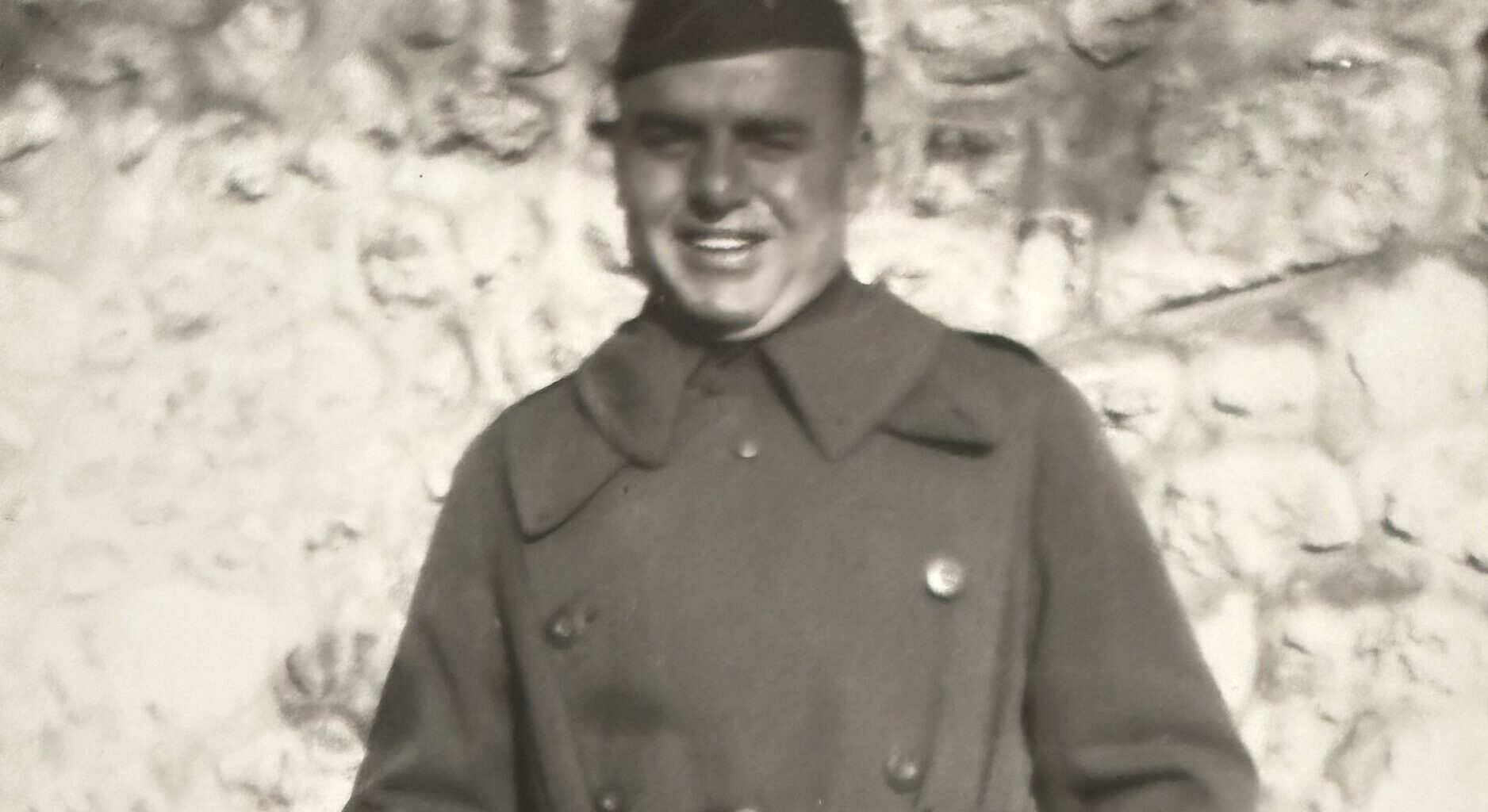
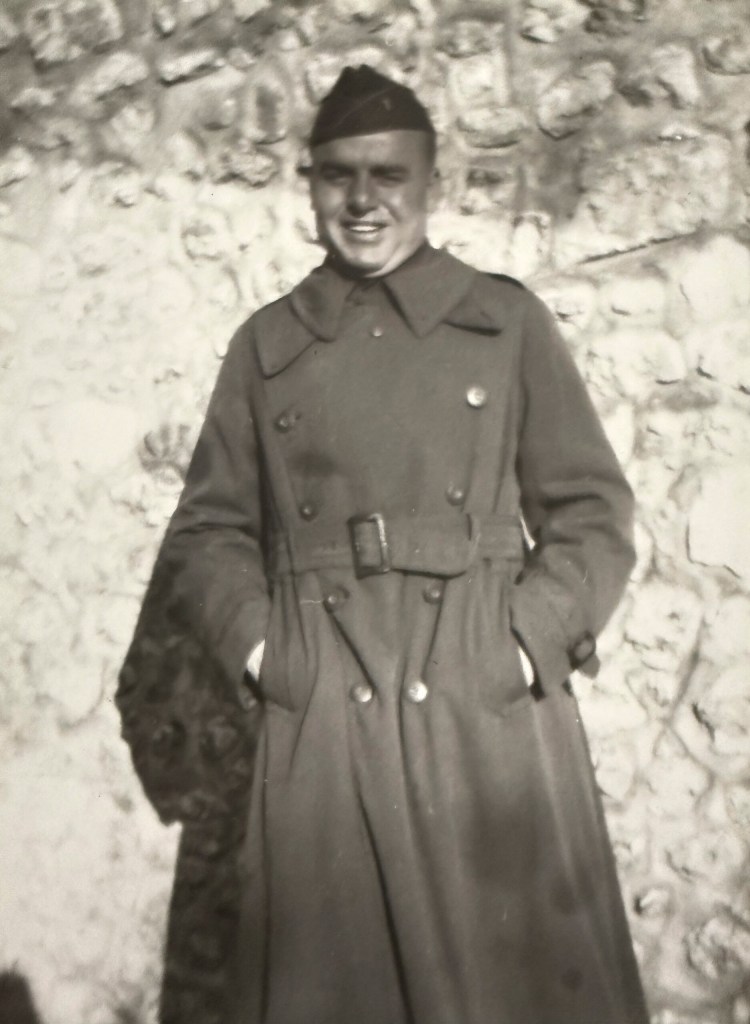 2nd. Lt. Frank Kent spent nearly six months on the front lines of France in World War I before suffering serious wounds from a German shell. He was serving with the 369th Infantry Regiment, a unit largely comprised of Black soldiers, that became known as the Harlem Hellfighters for their fierce fighting with the French army.
After arriving in France in January 1918, 2nd Lt. Kent was initially with the 9th Infantry
Regiment before being reassigned in early April to the 369th Infantry Regiment, a unit of
Black volunteers principally from New York, according to military records.
The Army had few Black officers in the segregated military. White officers, such as Kent, were assigned to train and lead the troops.
Because the Army did not want Black soldiers to fight alongside white troops, the 369th was placed under French command. The regiment became renowned for its ferocity in combat, according to historians.
“Spending over six months in combat, perhaps the longest of any American unit in the war, the 369th suffered approximately fifteen hundred casualties,” according to a 2007 article by Edward Mikkelsen, an Army officer and student of history, on the BlackPast.org website.
“Unit histories claimed they were the first unit to cross the Rhine into Germany; they performed well at (the key battles of) Château-Thierry and Belleau Wood, earning the epithet ‘Hell Fighters’ from their enemies.”
Kent, based on letters home chronicled in Missouri’s Henry County Democrat — now the Clinton Daily Democrat — newspaper, was in the thick of the combat. He was the victim of a gas attack in April 1918. He later wrote of training troops in rifle use and marksmanship, and bayonet combat tactics.
On Aug. 9, 1918, Kent sustained serious injuries during combat with German forces, according to Army records obtained from the National Archives.
In a letter written a few days later that was reported in the hometown newspaper, Kent detailed how a German shell exploded nearby; one fragment pierced his leg, and he had 10 other wounds. He would spend the rest of the war recovering in French hospitals. He later received the Purple Heart for his injuries in 1932.
Learning of his great-grandfather’s experiences in World War I “makes some other things come into focus,” his great-grandson Will Churchill said. He recalled how over the years people would make a point to tell him how Kent would embrace everyone in the community and welcome Black customers at a time when many businesses did not.
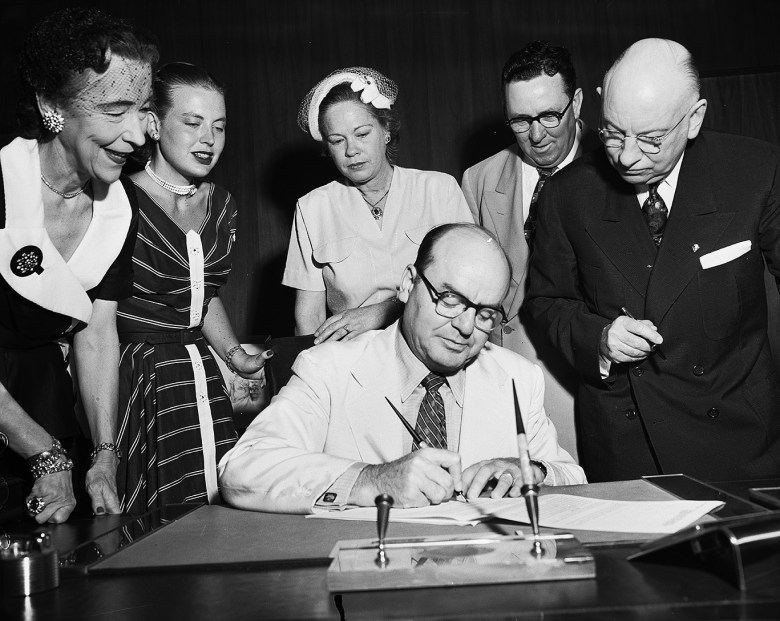 Frank Kent, seated, signs a contract making him Cadillac dealer for the Fort Worth area in 1953. With him, left to right, are Mrs. Kent, Mrs. W. B. Waynock, their daughter, Mrs T. R. Finley and her husband, a Dallas Cadillac official, and E. F. Upson of Detroit, sales manager for Cadillac. (Fort Worth Star-Telegram Collection, University of Texas at Arlington Libraries)
By spring of 1919, newspaper accounts from Missouri to Texas detailed how shortly after returning to the United States, Kent paid a visit to Jones in Fort Worth. They were married May 14 of that year.
The couple initially settled in Clinton, then moved to Fort Worth in the mid-1920s. Kent worked for various dealerships as a manager before becoming a junior partner of what was the Webb-Kent Buick Dealership.
In 1935, Kent opened the Frank Kent Motor Co. in Fort Worth and began to etch his name firmly into the city’s business and social history.
During World War II, he opened the Frank Kent Manufacturing Co. which assembled propellers for warplanes produced by the Consolidated and Globe aircraft manufacturing plants in Fort Worth and the North American plant in Dallas.
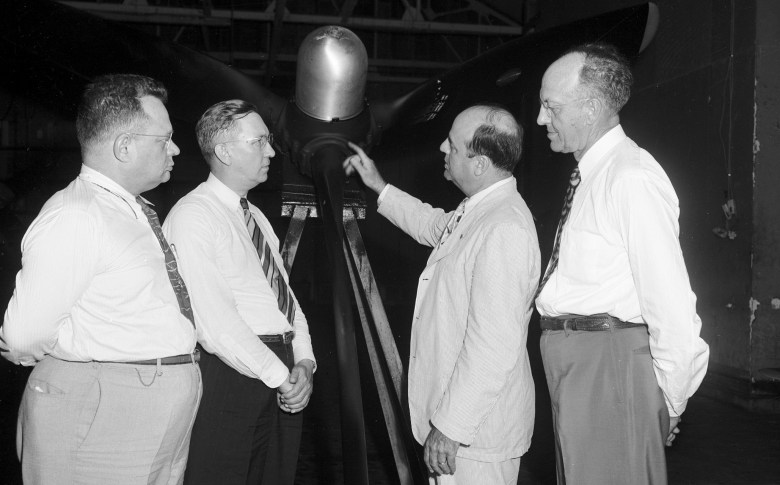 Frank Kent, second from right, shows off a B-24 bomber propeller assembled at the Frank Kent Manufacturing Co. plant in Fort Worth to members of the Smaller War Plants Corporation, a U.S. government entity, in July 1944. (Fort Worth Star-Telegram Collection, University of Texas at Arlington Libraries)
Active in community affairs, he founded the Fort Worth Airpower Council in 1958 to advocate for Carswell Air Force Base and the U.S. Air Force. He and John Howell, a former Air Force officer and owner of the aerospace company Howell Instruments, were leaders of the council for many years.
Kent’s granddaughter — later known as Wendy Kent Churchill — was born in 1947. She spent much of her time at her grandparent’s home and many hours in Kent’s office at the car dealership.
Her childhood friend Susan Howell Irvin, John’s daughter, described how the two girls spent many hours together at the Kent home, with the grandparents ferrying kids to and from activities.
“Mrs. Kent was a lovely woman. I never heard her say unkind things about another human being,” Irvin said. “Frank was always so nice to me. I used to call him Frankie-poo.”
Florence and Frank Kent. Date unknown.
After learning the auto business at her grandfather’s side, Wendy invested in the company at 19, using a $25,000 bank loan co-signed by Kent. She was an officer and principal owner after Kent died in 1987. She became president in 1995 after General Motors relaxed restrictions on women dealership owners.
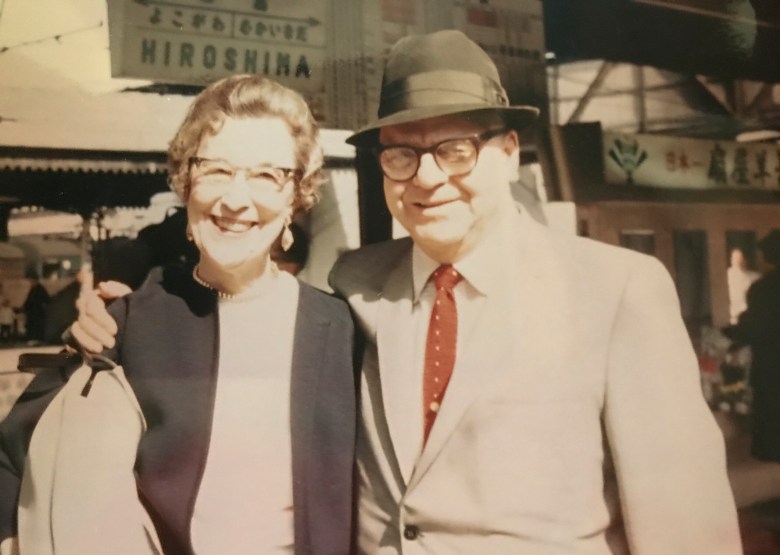 Florence and Frank Kent (Courtesy of the Kent family)
Wendy married Mac Churchill, who went on to work with Kent for many years, in 1975. The Churchill twins, Will and Corrie, grew up in the family business. They inherited the company when their mother died in 2005.
New owner Autobahn Fort Worth will continue to operate the dealership locations in Fort
Worth and Arlington as Frank Kent Cadillac.
The Churchills will now focus their attention on the other businesses they own and operate. That includes the Southwest Accessory Group, which sells auto accessories to dealerships in much of the country; Fort Brewery; Heim Barbecue locations; and various real estate investments.
Will and Corrie say they will continue to be guided by the core principles handed down across generations from their great-grandfather: “Morals, Values and Ethics Before Profit.”
Bob Cox is a freelance reporter.
Disclosure: Autobahn has been a financial supporter of the Fort Worth Report.
News decisions are made independently of our board members and financial supporters. Read more about our editorial independence policy here.
Related
Fort Worth Report is certified by the Journalism Trust Initiative for adhering to standards for ethical journalism.
Republish This Story

Republishing is free for noncommercial entities. Commercial entities are prohibited without a licensing agreement. Contact us for details.