
We often muse that life is stranger than fiction. It’s certainly more messy. The stories on our screens tend to show the world as we wish it would be. Think about the array of crime dramas that have conditioned many of us to think that DNA clues can solve murders and rapes overnight.
But a DNA sample by itself cannot solve every case — or not immediately. That’s because even when police obtain genetic material from an unknown attacker, if there is no match with a national database of offenders, detectives hit a wall. That DNA can sit in evidence rooms for years or decades without unlocking answers, compounding the suffering of victims and their families.
At least that’s how it used to be. Then came a twist that has cracked hundreds of cold cases. Known as forensic genetic genealogy, or FGG, this DNA technology compares genetic material from crime scenes with public genealogy databases. Investigators create family trees that help them identify a possible perpetrator. This is followed by more police work to establish probable cause.
The Carla Walker Act, a bipartisan bill championed by Sens. John Cornyn of Texas and Peter Welch of Vermont, would put this technology in the hands of more law enforcement agencies by providing funds for equipment and testing. The bill passed the Senate, and we hope the House will follow suit.
We highlighted efforts around this bill in our 2024 Texan of the Year series, when we wrote about Kristen and David Mittelman of Othram Labs in the Houston area. Their proprietary FGG technology helped solve the 1974 murder of Carla Walker, after whom Cornyn’s bill is named.
Walker, a Fort Worth teen, was abducted from her boyfriend’s car outside a bowling alley. Her body was found in a culvert three days later. Evidence showed she’d been raped.
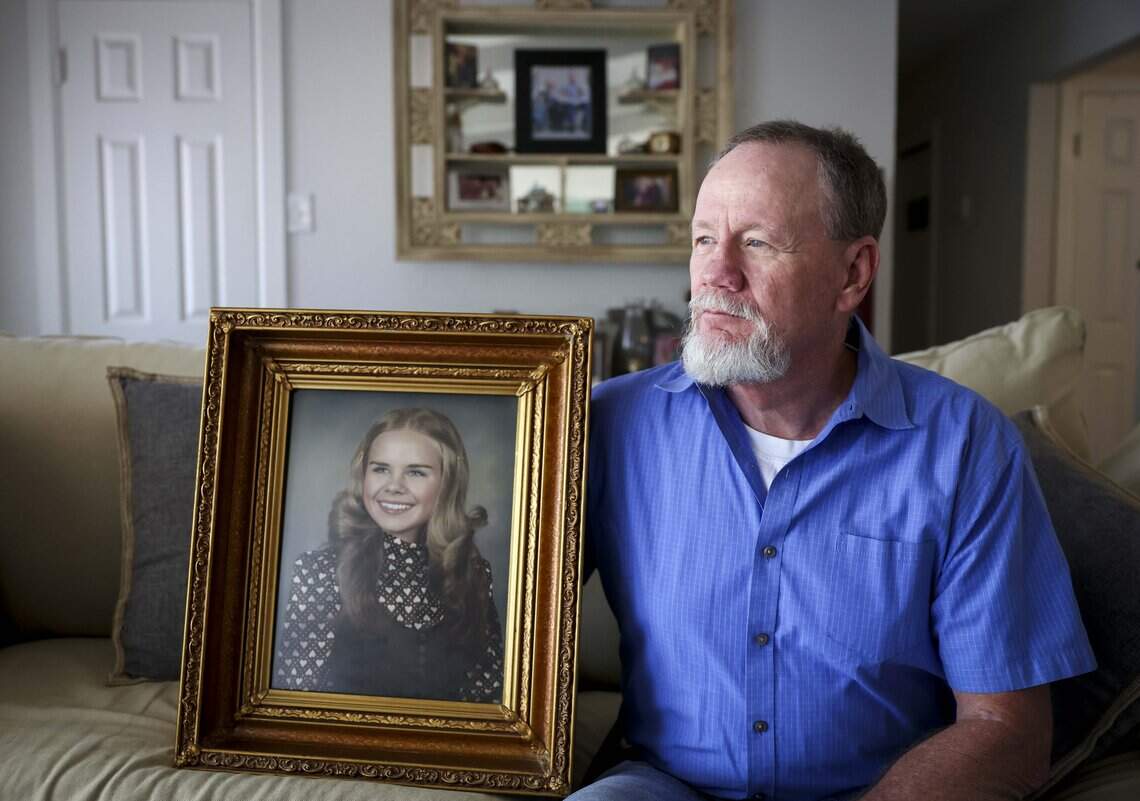
The unsolved crime haunted Walker’s family, and her parents died without answers. Her brother, Jim, would go back to the culvert where Walker was found, hoping to catch the killer.
As the Fort Worth Star-Telegram recently reported, the case attracted renewed attention in 2020, when it was featured in the TV show The DNA of Murder with Paul Holes. The show helped pay for a DNA analysis.
Two attempts came up empty. Fort Worth police sent the last and more inferior DNA sample to Othram, which pointed them to Glen McCurley, a truck driver who eventually pleaded guilty to killing Walker.
The Carla Walker Act would create two annual $5 million pilot programs for law enforcement agencies to fund forensic equipment and database searching efforts, or to outsource the analyses to accredited labs. Imagine the closure this could bring to an untold number of families.
We often scold politicians for their relentless mudslinging. This is one bright spot where our senators are working together to solve crimes and make this a safer world. It’s worth recognizing. Now it’s the turn of House representatives to secure a win for police and victims’ loved ones.