

Multidisciplinary team looks to use extended reality to bring nature to life for middle
school and high school students.
CREATORS

Texas Tech University researchers are exploring how emerging technologies such as extended reality (XR)
can enhance learning about nature in urban environments by making the invisible, visible.
Muntazar Monsur, associate professor in the Department of Landscape Architecture in the Davis College of Agricultural Sciences and Natural Resources, is leading a cross-functional team that will integrate innovative approaches to
make the outdoors more accessible and explorable for middle school and high school
students.
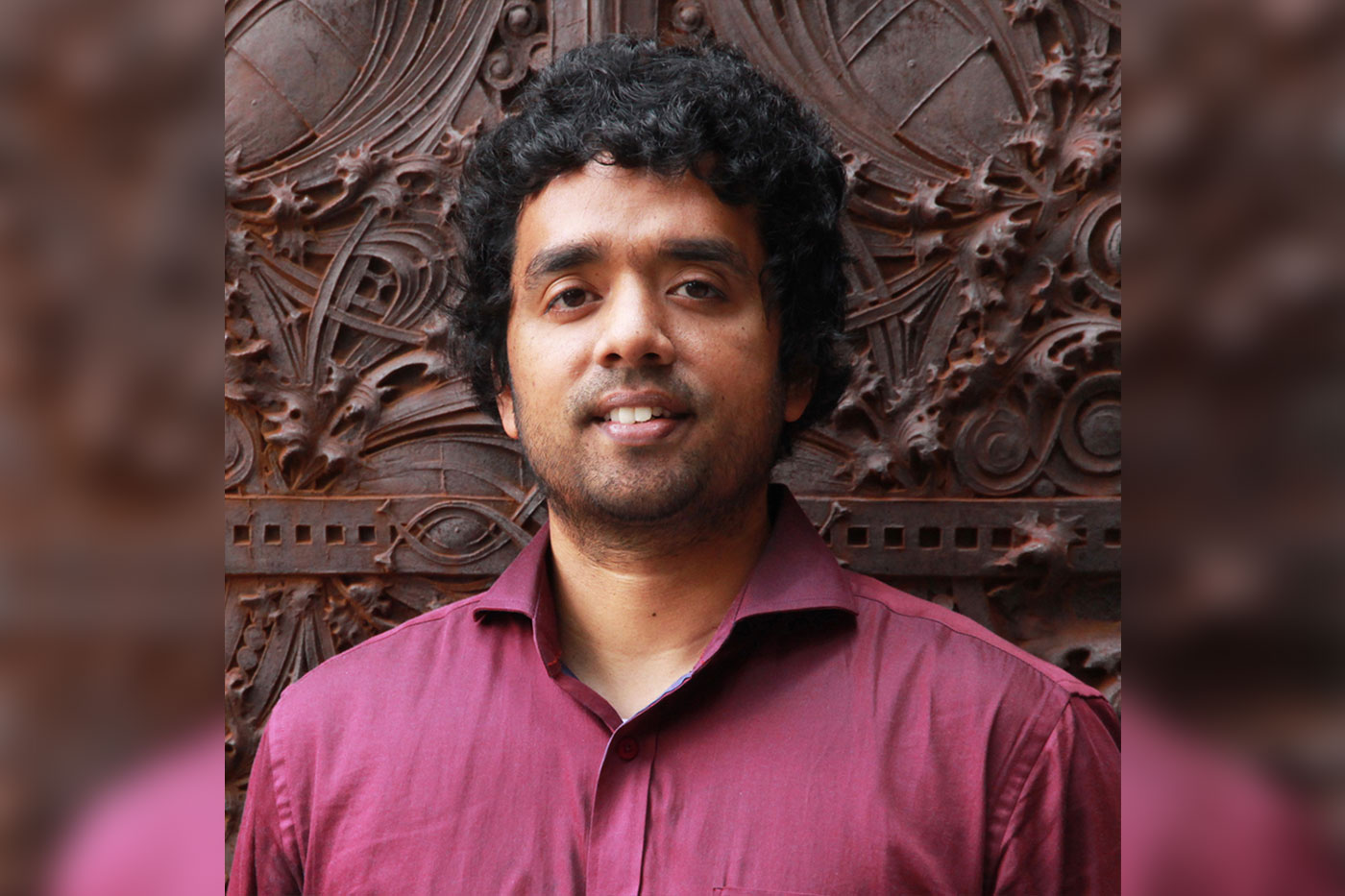 Muntazar Monsur
The project is made possible by a $900,000 grant from the National Science Foundation
and will build upon previous extended reality work by Monsur. The lifespan of the
grant is three years.
“Outdoor learning is already so well established as an effective strategy, but what
we’re trying to achieve is making invisible aspects of nature visible by using a combination
of extended reality, artificial intelligence and 3D models,” Monsur said. “We want
to answer the question, ‘Does this increase the effectiveness of the learning that
happens outdoors?’”
Co-principal investigators on the interdisciplinary project are Mihwa Park, associate professor of curriculum and instruction in the College of Education; Rozalynne Samira, assistant professor in the Department of Plant & Soil Science; Stas Tiomkin, assistant professor in the Department of Computer Science in the Edward E. Whitacre Jr. College of Engineering; and S.Y. Andalib, assistant professor in Landscape Architecture. The team also includes Scott Longing, associate professor of entomology in Plant & Soil Science, as senior/key personnel.
“It is a very dynamic team,” Monsur said. “We are creating conceptual ideas and detailed
diagrams and descriptions from the experience of the learner.”

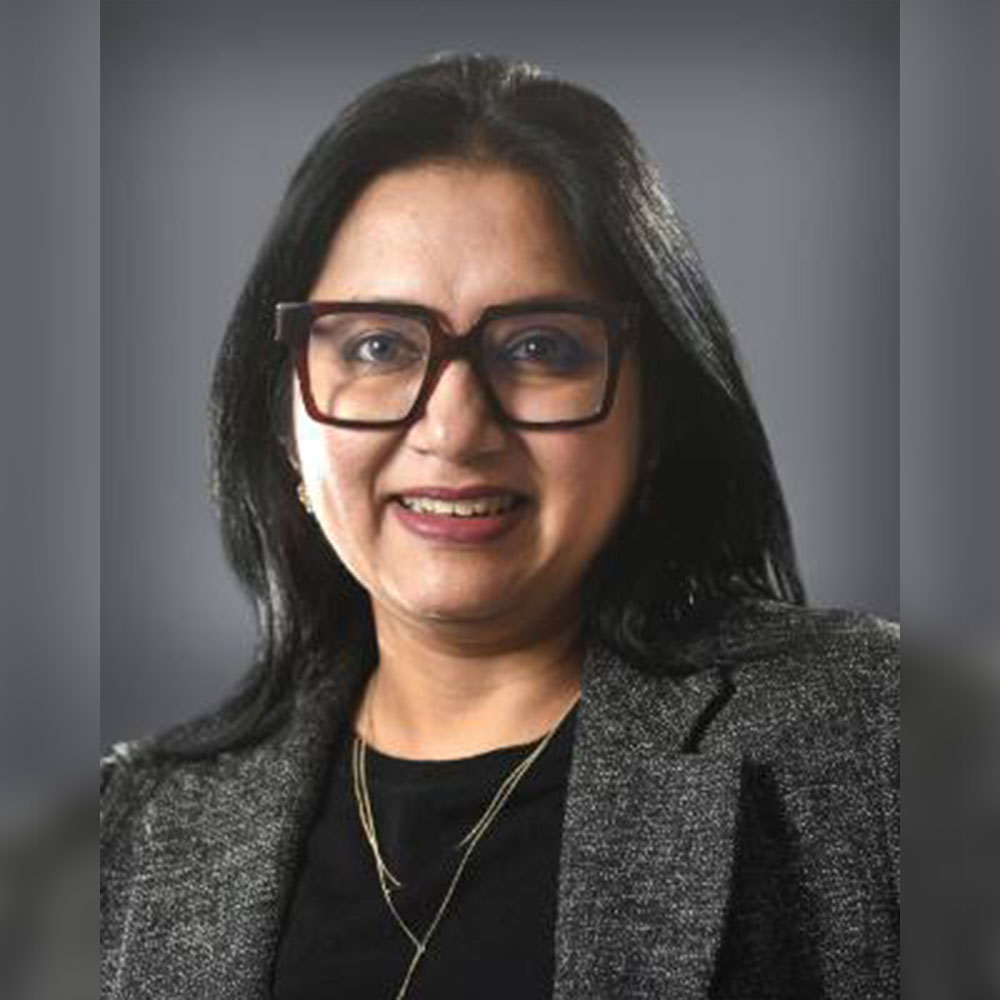
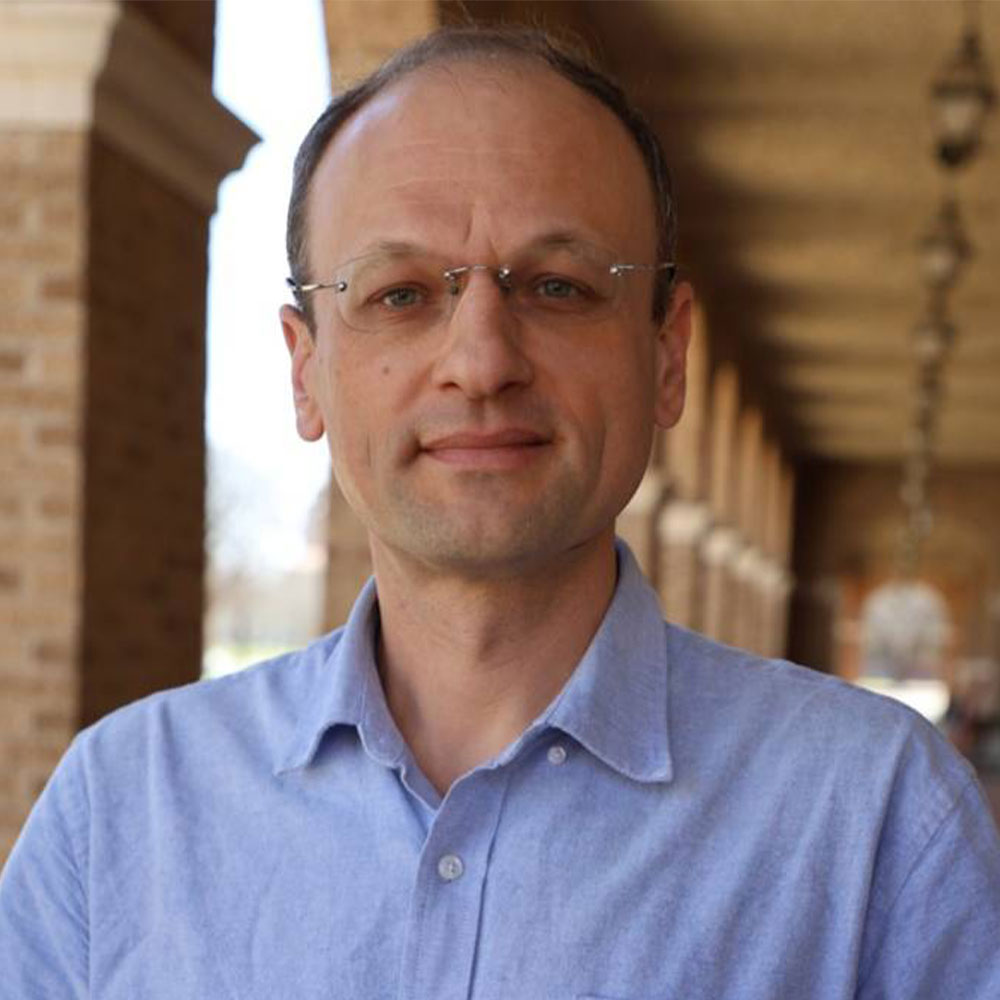

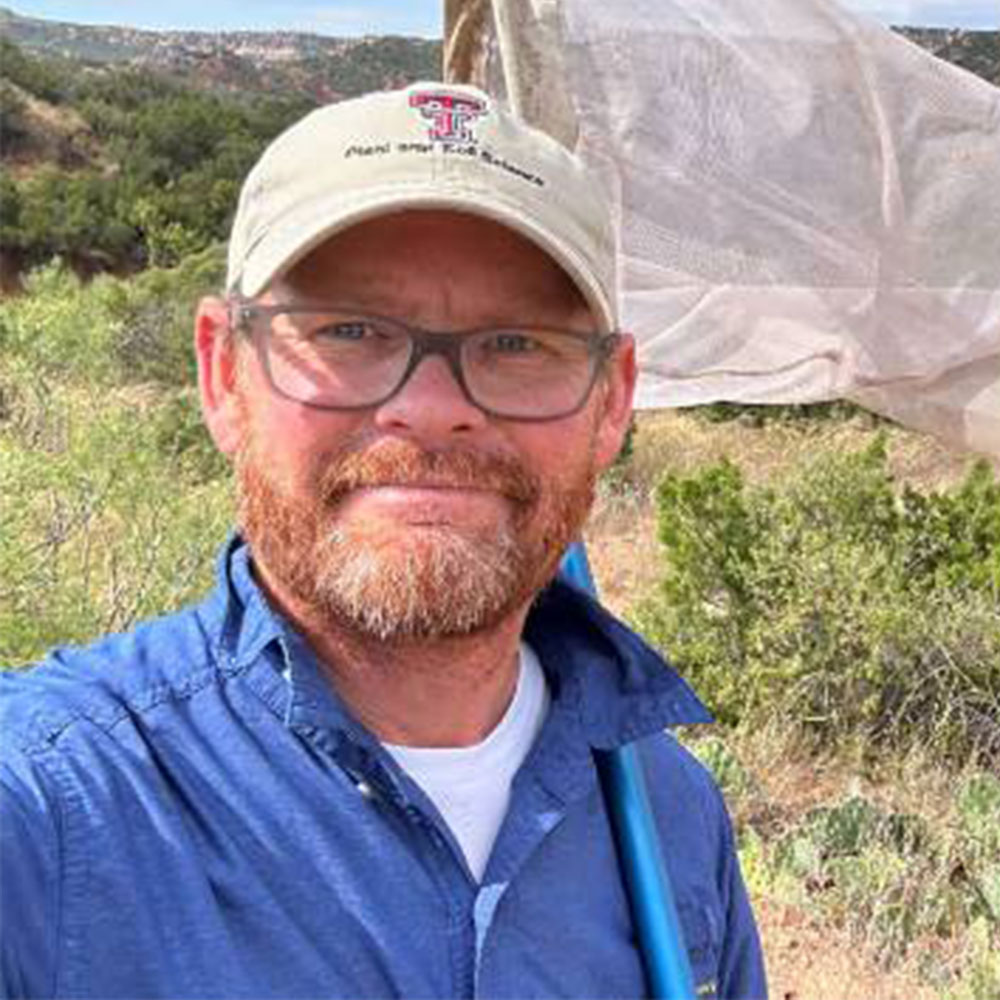 Mihwa Park, Rozalynne Samira, Stas Tiomkin, S.Y. Andalib and Scott Longing
Andalib’s contributions will be in visualization, artificial intelligence (AI) and
virtual reality while Samira will create learning resources regarding invisible plant
aspects like molecular interactions. Longing will contribute expertise in entomology
and place-based science education, helping develop and implement the ecology-focused
learning content and experiences. Park will oversee learning theory, assessment and
aspects of the research focused on measuring learning effectiveness while Tiomkin
will lead AI-related portions of the project.
“Youth is very tech-driven these days,” Monsur said. “It’s a new kind of thinking.
We would like to see whether tech-enhanced outdoor learning increases their learning
engagement.”
For example, Monsur said students using the available technologies could get an even
deeper look at the symbiotic relationship between the milkweed plant and the monarch
butterfly.
He said teachers would take students into the field and show them milkweed, but they
would be unable to see many aspects of the unique relationship between the plant and
the butterfly.
“We would be unable to show them so many of the natural things that are happening,”
he said. “Out of season, there are no monarchs, and there are a lot of things happening
underground in the root system as well as a lot of things that are microscopic.”
However, through the use of XR, those hidden aspects can be seen.
Monsur explained how XR differs from other terms such as virtual reality, augmented
reality and mixed reality. XR is technology that blends or replaces the physical world
with a digital environment.
Meanwhile, virtual reality is when one wears a headset and is detached from the world
while augmented reality is when one uses a phone to superimpose visuals on an existing
world. Mixed reality includes virtual headsets, cameras and can create virtual elements
in the real world.
“Our goal is to create technology that would help students be able to see the unseen
dimension of the nature superimposed in the real world,” he said. “That is the new
dimension we are trying to achieve as well as using a 3D model because 3D printing
has advanced so much, making it possible to create very realistic models.”
In the milkweed-butterfly example, the research team could create a seed pod and show
interactions that occur but cannot be seen with the naked eye. The expectation is
the enhanced technologies will create excitement about learning and engagement of
material.
“Making these invisible parts of nature visible is something that has not been tried
to this extent,” Monsur said. “That’s the innovation we’re trying to achieve.”
In Monsur’s XR lab, the team uses the technology for learning and teaching, leveraging
an interactive tool to create virtual tours that provide significantly more depth
and detail. Through the use of a Matterport camera, researchers take 360-degree photos
that are then stitched together before the virtual tour is enhanced by embedding learning
materials.
“In landscape architecture where I teach, what we do for our classes is create a virtual
tour of a site where a student will design,” he said. “Then we add different types
of lectures, PDFs and learning materials on the tour. Students go on that tour and
can walk around and take virtual photos. But they also find a lot of learning resources.
It became an interesting way to engage students beyond Blackboard or Canvas (learning
management systems used by Texas Tech).”
Creating similar enthusiasm for learning among middle school and high school students
is a primary thrust of this research.
“We have used augmented reality, and we have used virtual reality,” he said. “We have
used 360-degree virtual tours. We haven’t done much innovation in mixed reality. This
is new to us, and it’s almost like a new kind of technology, which is why I feel it’s
a good area for innovation, so timing-wise, this grant is very meaningful to us.”
The team also will work with two local partners: the Lubbock ISD Agri-Stem Complex
and the Lubbock Memorial Arboretum, which hosts numerous education-focused events.
“Once we have the technologies developed, we will host informal learning sessions
at the arboretum,” Monsur said. “It will be an opportunity to see how people interact
with the technology.”
Monsur said he hopes to see the project lead to the creation of open-source web resources
for any STEM teacher, parent or student.
“They could go online and learn about visible and invisible aspects of nature,” he
said. “Maybe with a QR code, they would be able to get some glimpse of augmented reality
that we create. I think it would be really meaningful to create something that doesn’t
end in three years, but that continues beyond the life of the grant.
“I am happy the grant has a lot of support for teachers and participants and support
for us to do exciting things for the community. That’s what really fascinates me the
most.”