
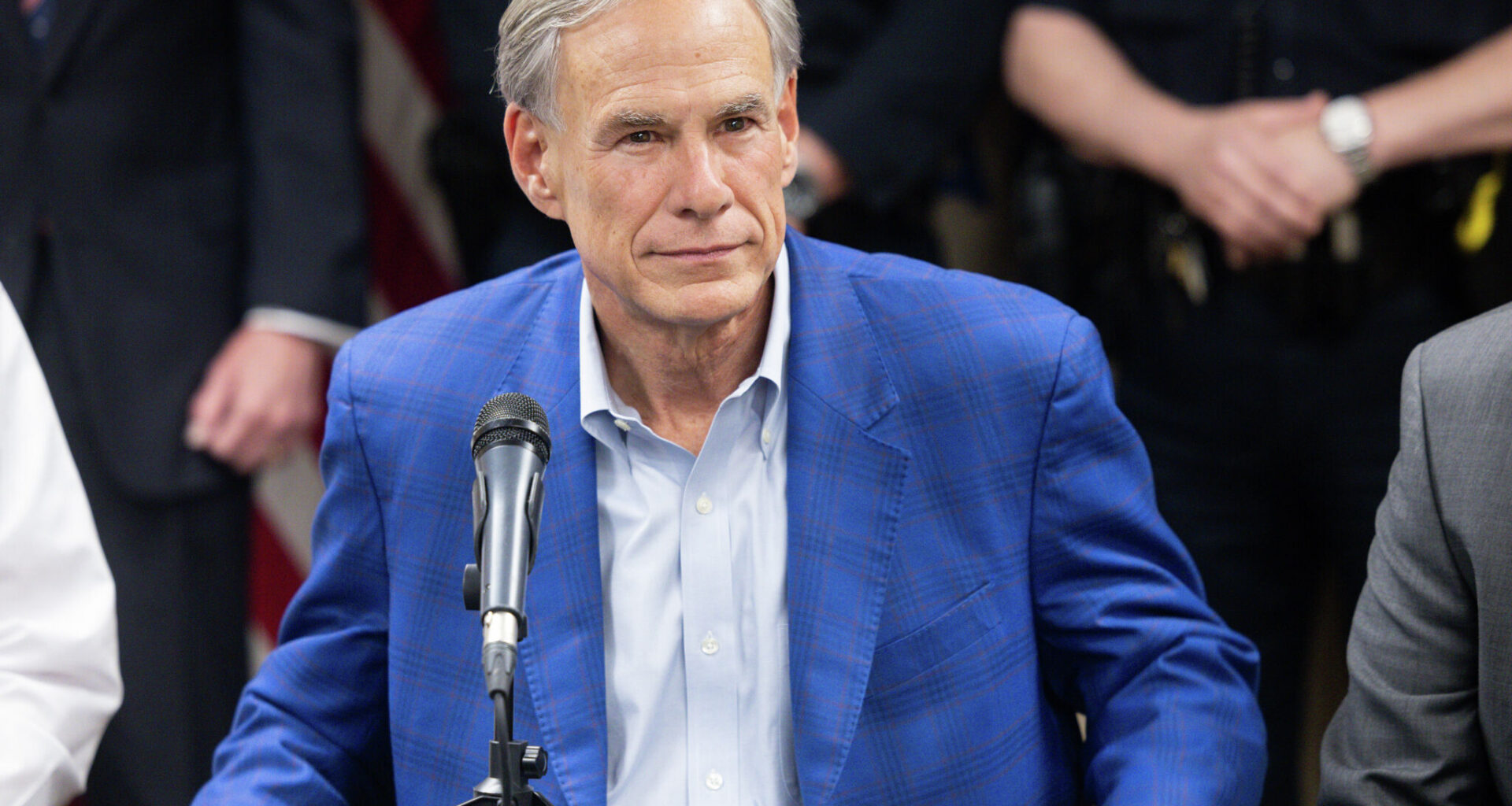
Gov. Greg Abbott, who wants universities to offer degrees that can be completed in 90 hours, named a 13 member working group this week. The group is tasked with developing a framework by the end of the year for the state’s public universities to establish three-year degrees. Bachelor’s degrees are typically four years and 120 credit hours.
Abbott, who is up for re-election in November, has said reduced-credit degrees could cut the cost of college for Texans by $15,000 to $35,000. He has also pitched it as a way for Texas to meet workforce demands faster.
Among the staff and faculty serving on the group are Lisa McIntyre, vice provost for student success at the University of North Texas, and Angela Bauer, executive vice president for academic affairs and provost at Texas Woman’s University. The group is overseen by the Texas Higher Education Coordinating Board.
In a statement, higher education Commissioner Wynn Rosser said these “expert educators” will “identify accelerated programs that can offer students a quality education leading to a durable, financially rewarding career.”
Reduced-credit bachelor’s degrees are growing more popular across the nation. Supporters say the alternative degree provides students with a faster and cheaper pathway to launching a career. But three-year degrees also are sparking debates over the purpose of a college education, as skeptics have raised concerns about the rigor of education students would receive with the shorter timeframe.
The group will develop recommendations on which degree programs and high-demand occupations would be best for accelerated degrees, academic standards, student and employer workforce needs and any accreditation requirements.
Abbott is pushing for public universities to offer at least 10 reduced-credit degrees. He wants the accelerated degrees to be concentrated in high-demand fields, such as cybersecurity, information technology and supply chain management.
Such a proposal would have to pass through the Texas Legislature, which convenes next year, before Abbott could sign it into law.
Here’s the complete list of educators serving on the group:
The DMN Education Lab deepens the coverage and conversation about urgent education issues critical to the future of North Texas.
The DMN Education Lab is a community-funded journalism initiative, with support from Bobby and Lottye Lyle, Communities Foundation of Texas, The Dallas Foundation, Dallas Regional Chamber, Deedie Rose, Garrett and Cecilia Boone, Judy and Jim Gibbs, The Meadows Foundation, The Murrell Foundation, Ron Steinhart, Solutions Journalism Network, Southern Methodist University, Sydney Smith Hicks, and the University of Texas at Dallas. The Dallas Morning News retains full editorial control of the Education Lab’s journalism.