
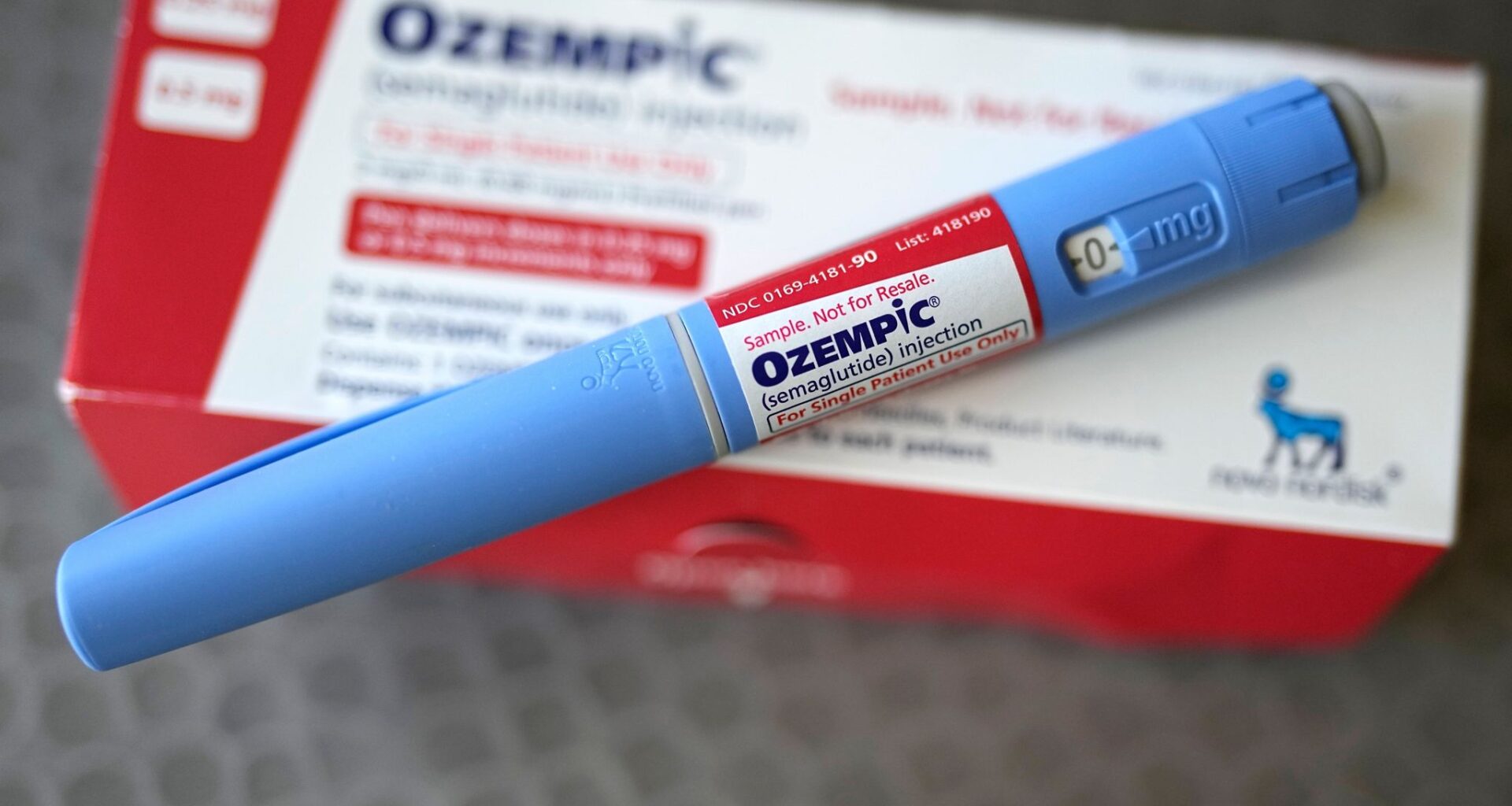
The injectable drug Ozempic is pictured in July 2023. Texas Medicaid excludes anti-obesity medications such as GLP-1s and other weight-loss drugs, our guest columnist writes.
David J. Phillip/AP
Several overlooked factors can affect progress as people trying to lose weight battle their bodies. Expanding Medicaid in Texas to cover weight-loss prescription drugs is about increasing medically appropriate options, not selling a silver bullet, our guest columnist writes.
None/Hearst Newspapers
Every week, I see the same group of people walk into our clinic and step on the same scale.

Maria, 67, who is retired and has a Medicare card, steps on a scale and reads body mass index of 36. She leaves with a prescription and a plan.
Article continues below this ad
Two days later Ana, 44, steps on the same scale. Her BMI is also 36, and her A1c is creeping up. She tells me the same fears Maria did. I told Ana what I tell everyone: Eat less. Move more.
I did not tell her there is a drug that could help, because unlike Maria, Ana cannot get that drug if it was prescribed for her.
Texas Medicaid categorically excludes anti-obesity medications like GLP-1s and other weight-loss drugs, such as semaglutide (Wegovy), tirzepatide (Zepbound), orlistat and older agents.
This is not a prior-authorization hurdle. It is an explicit exclusion the state has chosen under federal rules.
Article continues below this ad
A 44-year-old on Medicaid who needs medication for obesity and diabetes prevention is not being denied after review. She was never in the queue.
Nearly 17% of Bexar County adults have diagnosed diabetes, higher than the state and national percentages, and our county’s diabetes mortality is about 33 deaths per 100,000, above Texas and U.S. rates.
Roughly 72% of adults here are overweight or obese, and more than a quarter of people with diabetes earn under $25,000 a year.
Those numbers mean the policy gap is concentrated harm in neighborhoods already struggling with food insecurity and limited access to care.
Article continues below this ad
It took me years to admit this. When I told patients that losing weight took discipline, I lied, because, quite frankly, when it came down to it, I didn’t believe them when they told me that they tried but failed.
I blamed their willpower instead of acknowledging the real reason they were unable to lose weight: The system is against them.
These medications are not miracle cures. GLP-1s reduce appetite and produce real weight loss while taken, and for some patients they lower the risk of developing diabetes.
They carry side effects and are not appropriate for everyone.
Article continues below this ad
They also carry a price tag, with starter doses often costing hundreds of dollars a month, in a county where many patients live on very little. I prescribe these drugs when clinically appropriate. I also tell patients when they are not right for them.
This is about expanding medically appropriate options, not selling a silver bullet.
The federal window has already closed for now.
The Centers for Medicare and Medicaid Services accepted applications from state Medicaid agencies for its Better Approaches to Lifestyle and Nutrition for Comprehensive Health model through July 31, and states that applied can begin on a date of their choosing any time up to Jan. 1, 2027. States that did not apply can join after that only at the agency’s discretion.
Article continues below this ad
Where Texas stands remains unclear.
Opting in would not fix every inequity, but it would be a start.
The next time I weigh Ana on the scale, I wish I had more to offer her than “just try harder.” Her words after our visit were, “So I just keep trying alone?”
I have no answer for her right now.
Article continues below this ad
Dr. Shiv Kumar Goel is an internal medicine and functional medicine physician in San Antonio and founder of Prime Vitality Care.
Have a response? Send us a letter to the editor.