
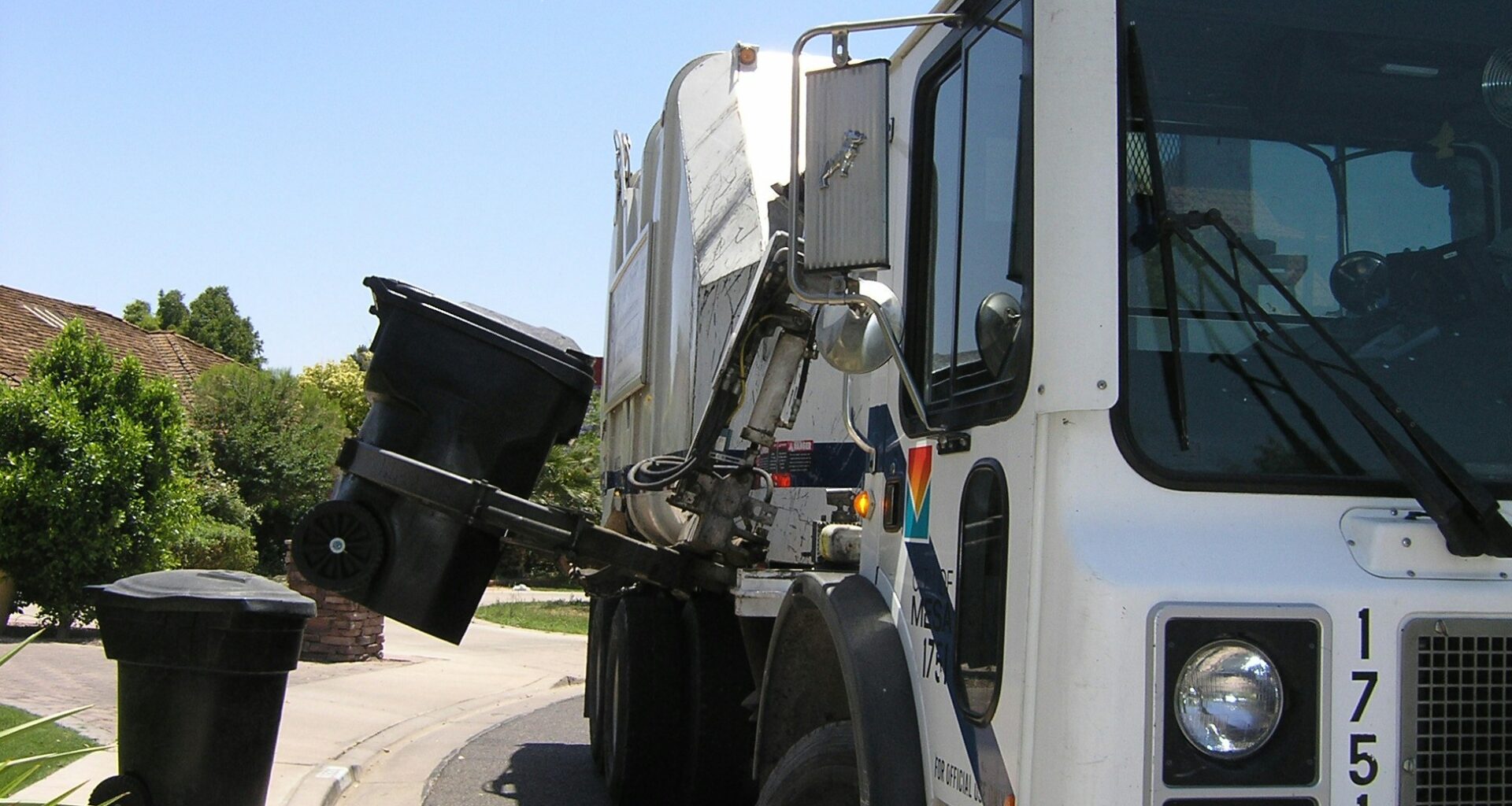
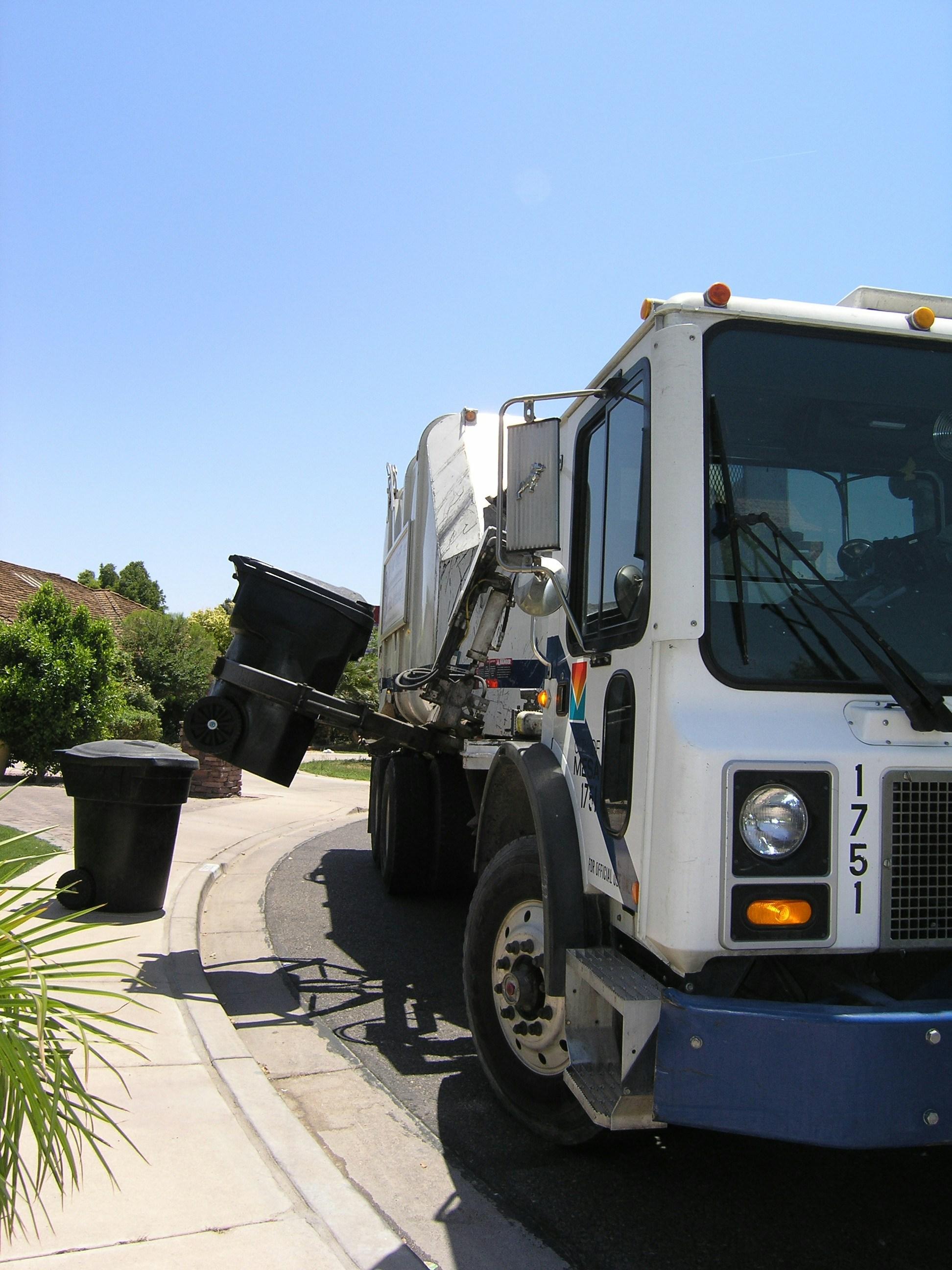
A garbage truck makes its rounds.
James Day / Unsplash
Fifty Dallas garbage trucks have AI-powered cameras. Combined, they have photographed more than 20,000 code concerns in four months, according to a city memo. Those 20,000 photographs have resulted in just 57 citations at 34 properties.
The cameras capture still images of properties from public roadways and scan for code violations relating to debris, sidewalks, lawns, structures and graffiti. Properties in southern Dallas made up the majority of the photographed concerns, with 13,800 images.
City Detect-manufactured cameras capture and flag potential violations. A code compliance analyst then reviews these observations, and city workers decide whether to send a courtesy notice or open a case. Following the decision, a code officer conducts an in-person inspection, after which a citation may be issued.
Dallas approved over $850,000 for the cameras last October. Council Member Chad West eliminated an amendment that would have eliminated funding for the garbage camera technology at the beginning of the month.
Sign up for the This Week’s Top Stories newsletter to get the latest stories delivered to your inbox
THANK YOU!
You’re all set.
CLOSE
Other cities
According to the City Detect website, 21 municipal governments across the United States have contracts with the AI-powered camera software, which was created to combat urban blight.
Columbia, South Carolina, began using the AI trash cameras in 2024. Since then, the software has captured over 455,000 images, yet city staff have analyzed only 36,000.
Comparatively, Columbia’s usage and data collection most closely match Dallas’ results with City Detect over the past four months. In Columbia, less than 2% of the nearly half a million images taken have been found to be in violation. Of the 20,000 pictures taken in Dallas, fewer than 1% have been cited.
In Greenville, South Carolina, City Detect cameras were used to document storm damage after Hurricane Helene. In three days, the cameras covered over 1,000 miles and identified almost 3,000 debris piles on public roads and private property.
The website also lists Little Elm and Coppell as City Detect users.
Surveillance concerns
AI technology has been under fire in the wake of Flock cameras, which use AI to scan and track license plates of passing cars, and other automated license plate readers (ALPRs). The City Detect cameras are used to capture images from public spaces where there “is no expectation of privacy,” according to its website.
Flock has raised nationwide concerns about mass surveillance and abuse of the tech by law enforcement. The topic has become a countrywide dialogue as more cases of law enforcement abusing the data collected to stalk people, such as ex-partners and spouses, come to light.
Dallas currently operates 684 ALPRS, 321 of which will be shut down at the end of the month because of a state funding pause, and has been under contract with Flock since 2022. In 2025, the council approved a $5.5 million, five-year extension to the contract.
The misuse of Flock in North Texas in 2025, where police tapped into 83,000 cameras to locate a woman suspected of having an abortion, has fueled public opposition. Dallas police have reported over a dozen vandalism cases involving Flock cameras.
After immense backlash, Gov. Greg Abbott ordered the Department of Transportation to stop issuing permits for ALPRs on state roads. Many Texas municipal governments have also cut funding and removed the AI cameras.
Earlier this month, Dallas City Council members voted to retain funding for its ALPRs. Council members said the tech has helped Dallas Police solve 14 homicides this year, a feat they said outweighs the potential for abuse.
“I don’t believe the potential for misuse outweighs the public safety value of this tool. […] Most recently we had a murder in District 10. A woman with two children was stabbed and passed away, but the suspect was apprehended within about 48 hours.”