
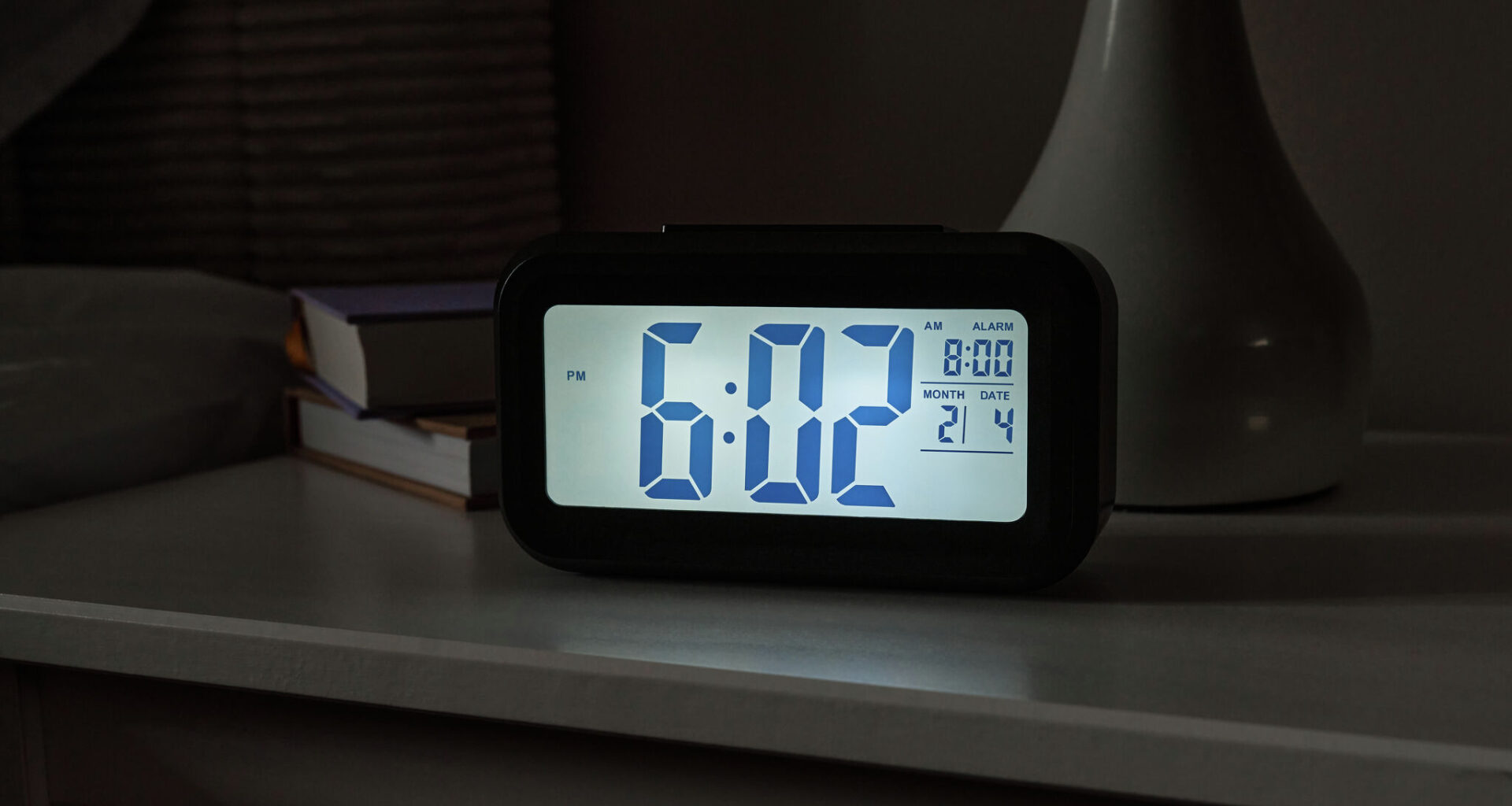
How does an extra hour of sleep sound? With Daylight Saving Time coming up, we’re nearing the part of the year when Texans get a bit more rest before a season of longer, chillier evenings.
The practice requires folks to move their clocks back by one hour in the fall and then forward again in the spring. Although the practice was originally intended to save energy (since it is less dark during working hours), U.S. representatives have debated its value over the years.
The U.S. House of Representatives passed the Sunshine Protection Act of 2025, or H.R. 139, in July 2026. The bill would make daylight saving time permanent — no more marking your calendar to avoid a potential routine shakeup.
H.R. 139 received bipartisan support (passing with a 308-117 vote), and it is awaiting approval from the Senate, which recently returned from a five-week summer recess. According to Hearst Television, the bill is currently not listed on the Senate agenda. Officials may not have enough time to discuss it because the Senate will not be in session for most of October (midterm recess).
President Donald Trump has also expressed support for H.R. 139, writing on Truth Social that “People are sick and tired of having to change their clocks twice a year” and “It is foolish, inconvenient and, in some cases, very costly.”
This was a pivotal moment for Texas supporters because during the 2025 legislative session, lawmakers passed House Bill 1393, which requires both the Central and Mountain Time zones within the state to observe daylight saving time year-round. The state’s standard time would be called “Texas Time.”
However, the bill can’t take effect unless a federal law allows year-round daylight saving time. This is considered a trigger law, and other states, such as Alabama, Colorado, Delaware, and Florida, have taken similar actions.
We’ll also have brighter mornings, though afternoons will feel shorter for a while. Eventually, on the second Sunday in March, clocks will be set ahead one hour at 2:00 a.m. local standard time (which becomes 3:00 a.m. local Daylight Saving Time).
The first day of astronomical fall comes well before the end of daylight saving time. According to the Farmer’s Almanac, it is on Tuesday, September 22. The season begins with the autumnal equinox, which occurs that night at 8:04 p.m. EDT for areas in the Northern Hemisphere.