
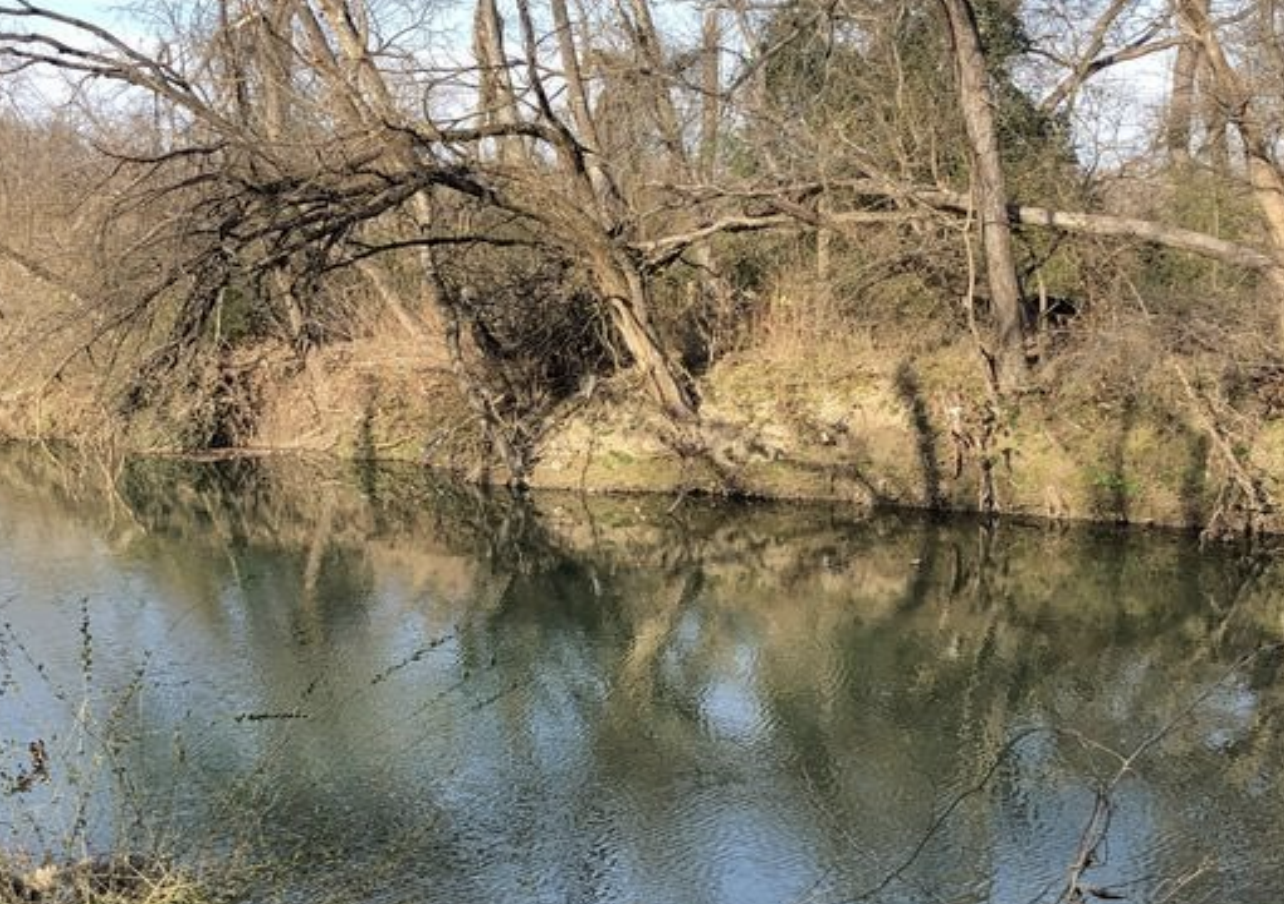
The Rowlett Creek Watershed Protection Plan lays out a 10-year road map for improving and protecting water quality throughout the watershed.
A multiyear effort to improve water quality in Rowlett Creek has reached a major milestone after the U.S. Environmental Protection Agency accepted a new watershed protection plan.
The Rowlett Creek Watershed Protection Plan lays out a 10-year road map for improving and protecting water quality throughout the watershed. The majority of Rowlett Creek runs through Plano before continuing downstream and eventually emptying into Lake Ray Hubbard.
A portion of the creek has been listed as impaired because of elevated bacteria levels since 2014, specifically E. coli. The watershed also faces concerns related to nitrate-nitrogen downstream.
Years of water quality sampling, modeling and analysis were used to identify potential sources of pollution and develop strategies for improving the creek’s health.
The City of Plano worked with Texas A & M AgriLife Extension and other regional partners on the plan, providing data and helping gather input from communities and organizations throughout the watershed.
Recommended strategies include reducing pollutants carried by stormwater, encouraging responsible lawn care and pet waste disposal, addressing illegal dumping and litter, expanding public education, supporting flood management efforts and continuing water quality monitoring.
“Acceptance of this watershed protection plan is an important step toward improving water quality in Rowlett Creek,” Fouad Jaber, professor and extension specialist with Texas A & M AgriLife, said. “The plan reflects years of data analysis, local input and collaboration among cities, counties, agencies, residents and other partners.”
With EPA acceptance, the partnership can move from developing the plan to putting its recommendations into action. Implementation is expected to take place over the next decade and involve cities, residents, businesses, landowners, nonprofits, educational institutions and government agencies.
Education will also play a role, with programs addressing healthy lawn practices, stream ecosystems, storm drain marking, natural stormwater management and watershed protection.
Ultimately, the plan aims to reduce E. coli levels and improve water quality in Rowlett Creek while addressing related issues such as nutrients, stormwater runoff, flooding, illegal dumping and overall stream health.
Development of the plan was funded in part through a federal Clean Water Act Section 319(h) grant from the EPA, administered by the Texas Commission on Environmental Quality’s Nonpoint Source Program.
More information about the Rowlett Creek Watershed Protection Plan is available through Texas A & M AgriLife.