
Gizem Nisa Demir
23 September 2026•Update: 23 September 2026
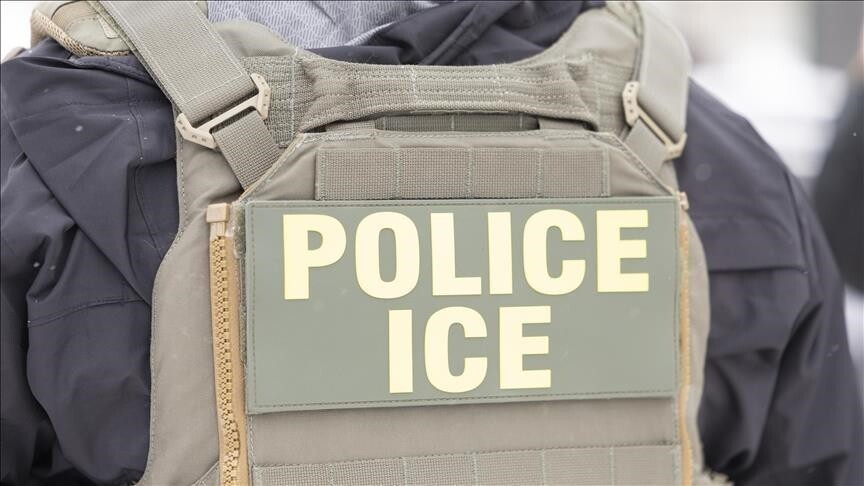
An Immigration and Customs Enforcement (ICE) officer who shot a Venezuelan man in the US state of Texas on Sunday was a recent recruit who had been issued a body camera but was not using it despite official mandates, The Washington Post reported Tuesday, citing two former US Department of Homeland Security (DHS) officials.
The officer, who previously worked for another federal law enforcement agency, joined ICE during last year’s hiring drive.
Former officials have questioned whether some recruits were adequately vetted and trained. ICE has recently dismissed some new hires over performance issues or other concerns.
ICE Acting Director David Venturella said this summer that all officers would receive body cameras by the end of August. Homeland Security Secretary Markwayne Mullin said earlier this month that the rollout was still incomplete.
DHS has not explained why the officer was not recording, which the agency requires.
Shooting and medical care
The victim, Wilber Garces Perez, 28, who worked for food delivery service DoorDash, was shot after ICE officers attempted to stop him in the city of Austin in an unmarked SUV. Garces said he initially did not realize they were law enforcement.
His attorney, Kate Lincoln-Goldfinch, said an ICE vehicle sideswiped Garces’ car and struck it again as he tried to make a U-turn. Bystander video shows an officer approaching the vehicle before shots were fired.
DHS called the incident a “dangerous attempt to evade arrest,” saying: “Resisting officers and evading arrest is dangerous for our officers, illegal aliens, and the public.”
Lincoln-Goldfinch questioned the lack of body-camera footage, saying: “You need to answer why your agents are not turning their body cams on.”
ICE later reminded officers that they “must activate” cameras during enforcement activities.
Garces was initially taken to a hospital but was transferred to ICE custody about four hours later with a bullet still lodged near his spine, according to his attorney. He was later taken to another hospital after reporting paralysis on his left side.
“We still do not have clarity about the cause or extent of the loss of movement he experienced,” Lincoln-Goldfinch said.
DHS disputed claims that Garces did not get adequate medical care, saying he was receiving pain medication “around the clock.”
Immigration case
Garces entered the US legally to seek asylum but later received a final removal order after missing an immigration hearing. His attorney said notice of the hearing was sent to an old address.
She has sued seeking his release and to block his potential deportation to Venezuela. US District Judge Orlando L. Garcia scheduled a hearing for Sept. 30 and ordered Garces to appear, according to court records.
The shooting comes amid increased scrutiny of ICE use of force and traffic stops.
ICE officers fatally shot Mexican national Lorenzo Salgado Araujo in Houston and Colombian immigrant Johan Sebastian Duran Guerrero in Maine in July. ICE briefly restricted traffic stop arrests after the Maine shooting but later lifted the measure.