
Audio recording is automated for accessibility. Humans wrote and edited the story. See our AI policy on our About page and give us feedback.
The Austin school district is over 2,000 students short of its projected enrollment this school year, complicating an already-strained budget which is partially reliant on the quantity of students and their attendance for funding.
Over 6,400 students enrolled at the end of last school year did not return to Austin ISD for the 2026-27 school year, not including those that graduated, district leaders said Thursday. However, the district gained 8,500 new students, including Pre-K and Kindergarten.
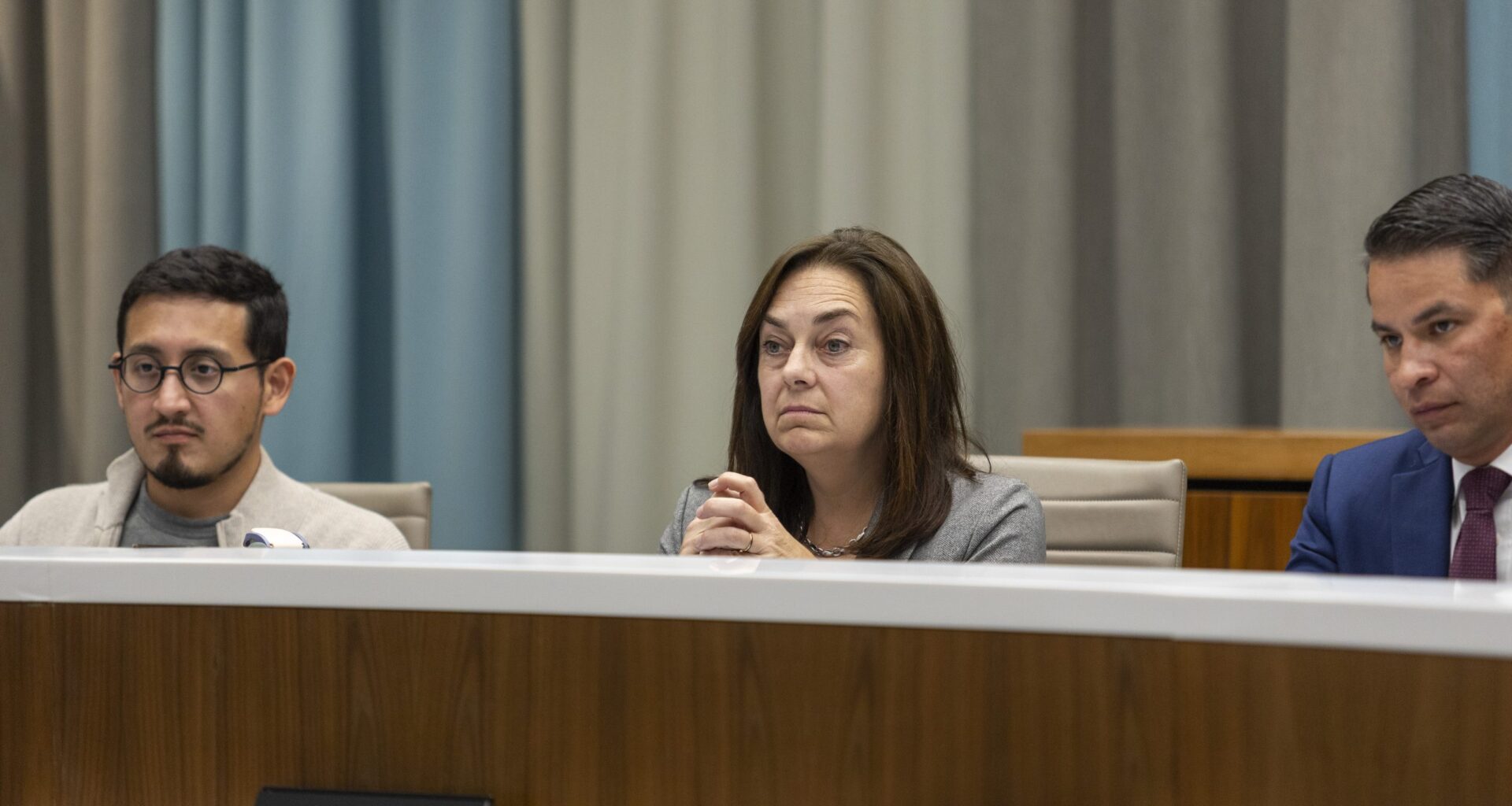
The announcement came during Thursday’s board meeting, where Austin ISD Chief Financial Officer Katrina Montgomery said the district will need to find $5.7 million in additional budget reductions this school year to avoid a deficit. But that number could grow. The district could lose an estimated $14 million in revenue due to the enrollment decline, and is projected to spend $1.9 million more than planned on transportation due to higher diesel prices. In response, trustees questioned Superintendent Matias Segura over whether enough cuts could be made in time to avoid another deficit, citing previous planned cuts that did not come entirely to fruition.
“I don’t feel comfortable putting something in as revenue or counting it as a cut that we’re going to make unless it’s actually happening,” said trustee Arati Singh. “I don’t want to vote on something that is not certain.”
This year’s potential shortfall comes just months after distinct-wide cuts. Despite closing 10 schools in May, Austin ISD ended the 2025-26 school year with a budget deficit that burgeoned to five times more than projected in June 2025, reaching $105 million in July of this year. To avoid a deeper deficit, district leaders made $205 million in cuts, reaching the classroom level and affecting teacher planning time, transportation and classroom sizes among other things. Still, the district closed out the 2025-26 school year with half of the amount typically required by board policy in its financial reserves.
Part of the additional $5.7 million comes from the cost of borrowing money. Low budget reserves mean Austin ISD will have to borrow $140 million in October to meet payroll through November, racking up an estimated $2.1 million in interest and fees. District leaders said they will pay back the funds in January, after the majority of Austin’s local property tax dollars that finance the district are received.
“We need this loan,” Montgomery said. “There is no savings account that we can go into, we have already done all that we can to make sure that we could get through the month of September.”
Enrollment dips again
Of the more than 6,400 students who left the district since the end of the school year, 41% of students left to an unknown destination, while 39% relocated outside the district, state or country and 20% transferred to charter, private, virtual or home schooling, Montgomery told board members Thursday. The majority of students who left were elementary school students, though high schools saw the highest number of students leaving for school choice.
While the total amount the district could stand to lose in enrollment revenue remains unknown, the initial estimate, without factoring in daily attendance, is $14.8 million. The state’s school funding formula is largely defined by the number of students enrolled and the average daily attendance. Last year, Austin ISD lost over 3,000 students, which district leaders said played a key role in the district’s deficit growing far more than planned. At the time, district leaders said immigration policy changes were a contributing factor in the enrollment loss, as well as school choice and high housing costs within the districts’ boundaries.
Last year’s enrollment decline accounted for $26 million in missed funding for AISD, district leader said earlier this year.
Transportation costs balloon with diesel prices
Some of Austin ISD’s deepest cuts were to transportation, including a transition to bus hubs. While originally projected to save the district just over $5 million, after limiting the hubs to high school students and creating several more hubs due to community pushback, the plan is now expected to produce $1.8 million in savings.
However, that could be balanced out by transportation costs that are currently projected to be $1.9 million more than expected due to fuel costs that have nearly doubled. Operations Officer Jaime Miller told board members that the district had spent 95% more on diesel during the first month of school this year compared to last.
Overall, high school weekly average attendance has remained the same or better than last year, Segura told board members Thursday, responding to concerns of trustees that the bus changes could take a toll on attendance. While high school ridership decreased by 1,800 compared to the amount reported to the Texas Education Agency last year, the number of eligible high school riders also fell by just under 1,000.