
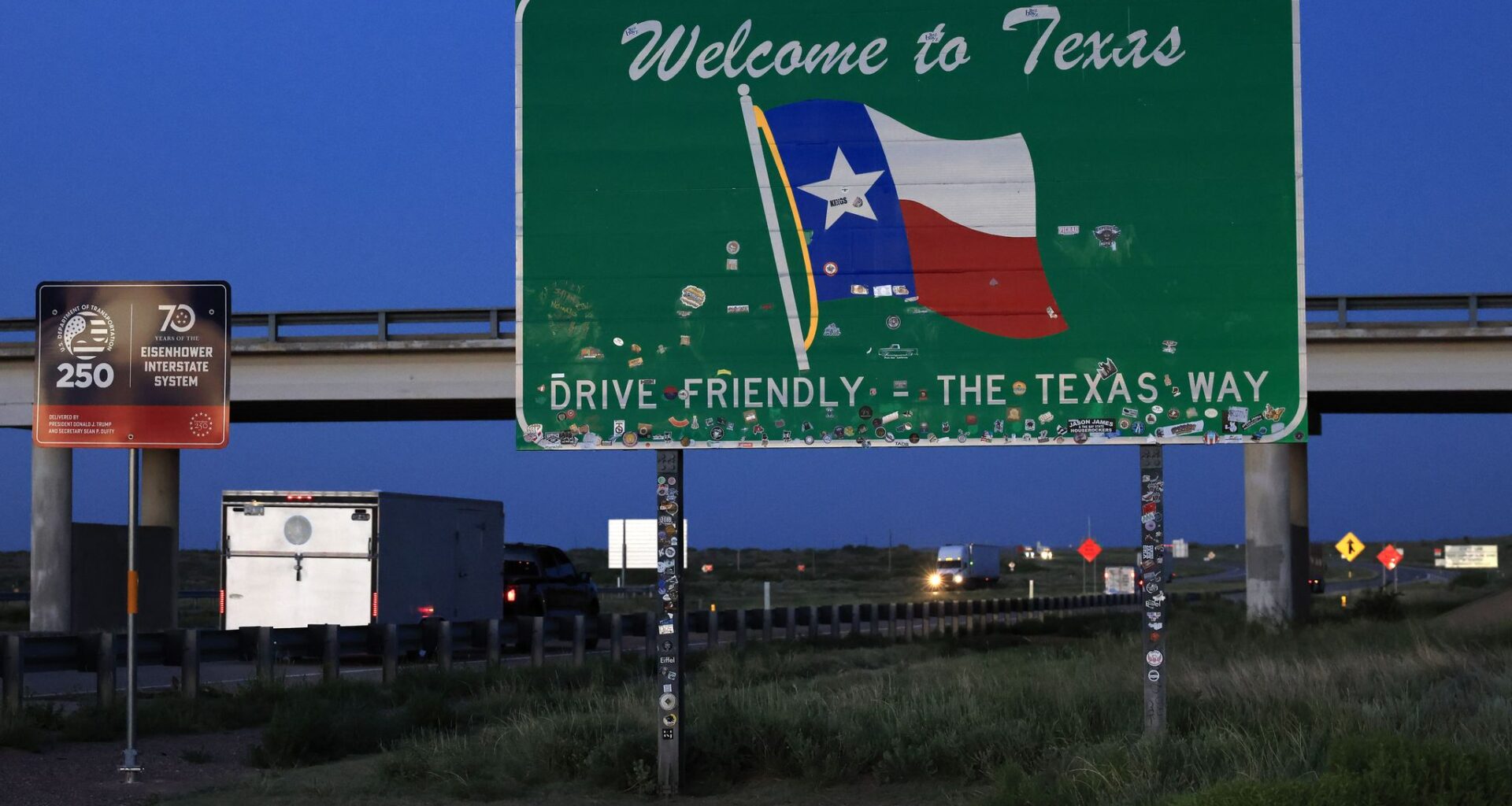
According to a new analysis of 2024 Census data from online real estate platform Redfin, San Antonio is the most popular destination for Gen Z in the country, with a net migration of nearly 11,000 young people born between 1997 and 2012. The next city on the list is Washington, D.C., with nearly 9,000. Austin, Nashville and Dallas round out the top five. For millennials, born between 1981 and 1996, Houston then Dallas topped the list, followed by Baltimore, Las Vegas and Atlanta.
Both generations left New York and Los Angeles at high rates, fleeing the high cost of living of the U.S.’s two most populous cities. However, Gen Zers’ top five also included Minneapolis, Denver and Detroit, as they seek jobs and vibrant social scenes, while millennials fled Miami, D.C. and San Francisco for locales with more space to buy homes and start families.
“Washington, D.C. offers perhaps the clearest generational contrast: It’s the second-most popular destination for Gen Zers but one of the places millennials are most commonly leaving,” the analysis said. “That fits with D.C.’s strength as a launching pad for recent graduates: Younger adults may arrive for early-career opportunities, while older millennials may move elsewhere once their careers are established as they start families and their housing needs change.”
However, the analysis doesn’t necessarily indicate that young people are filling up flights from LaGuardia to Love Field. The most common moves for both generations were to nearby, but often cheaper, cities. Los Angeles to the more inland Riverside, Calif., was the most popular path for millennials and Gen Z. New York to Philadelphia made the top ten for both, as well. Within Texas, about 7,600 Gen Zers moved from Dallas to Austin, but another 6,900 moved from Houston to Dallas. Six of the top 10 most common millennial moves were from one California city to another.
“For millennials, some of those moves offer a clear housing tradeoff: relocating from Los Angeles to Riverside or from Washington, D.C. to Baltimore can provide access to more affordable housing without leaving a region altogether,” the analysis said.
On the whole, though, both generations are moving less and less. In 2014, 10.6% of 25-34 year olds moved to a different metro area, down to 8.6% in 2024. The percentage of 35-44 year olds moving dropped from 6.1% to 4.8% over the same time period. The most mobile cohort, 19-24 year olds, also dropped from 15.3% to 13.5%.
“Gen Zers are chasing opportunity, while millennials are chasing space,” said Sheharyar Bokhari, a principal economist at Redfin in the analysis. “But young Americans aren’t fleeing expensive cities for the cheapest place they can find: Most are making relatively short moves, suggesting they want a better job or lower cost of living without giving up their existing networks. And the fact that expensive coastal cities are losing residents from both generations is a reminder that even the biggest job centers can lose their pull when housing costs get too high.”