
Published September 29, 2026 5:09pm
|
Updated September 29, 2026 5:51pm
The potential for millions in federal penalties next year complicates the financial outlook for human services in Colorado’s most populous county.
On Tuesday, El Paso County Chief Financial Officer Nikki Simmons said preliminary budget planning for 2027 would not include cost sharing the county might be required to pay for statewide errors in administering the Supplemental Nutrition Assistance Program.
Recommended Stories
▶
“Instead of guessing on what that looks like, the county has not included that,” she said in a presentation to the El Paso County commissioners.
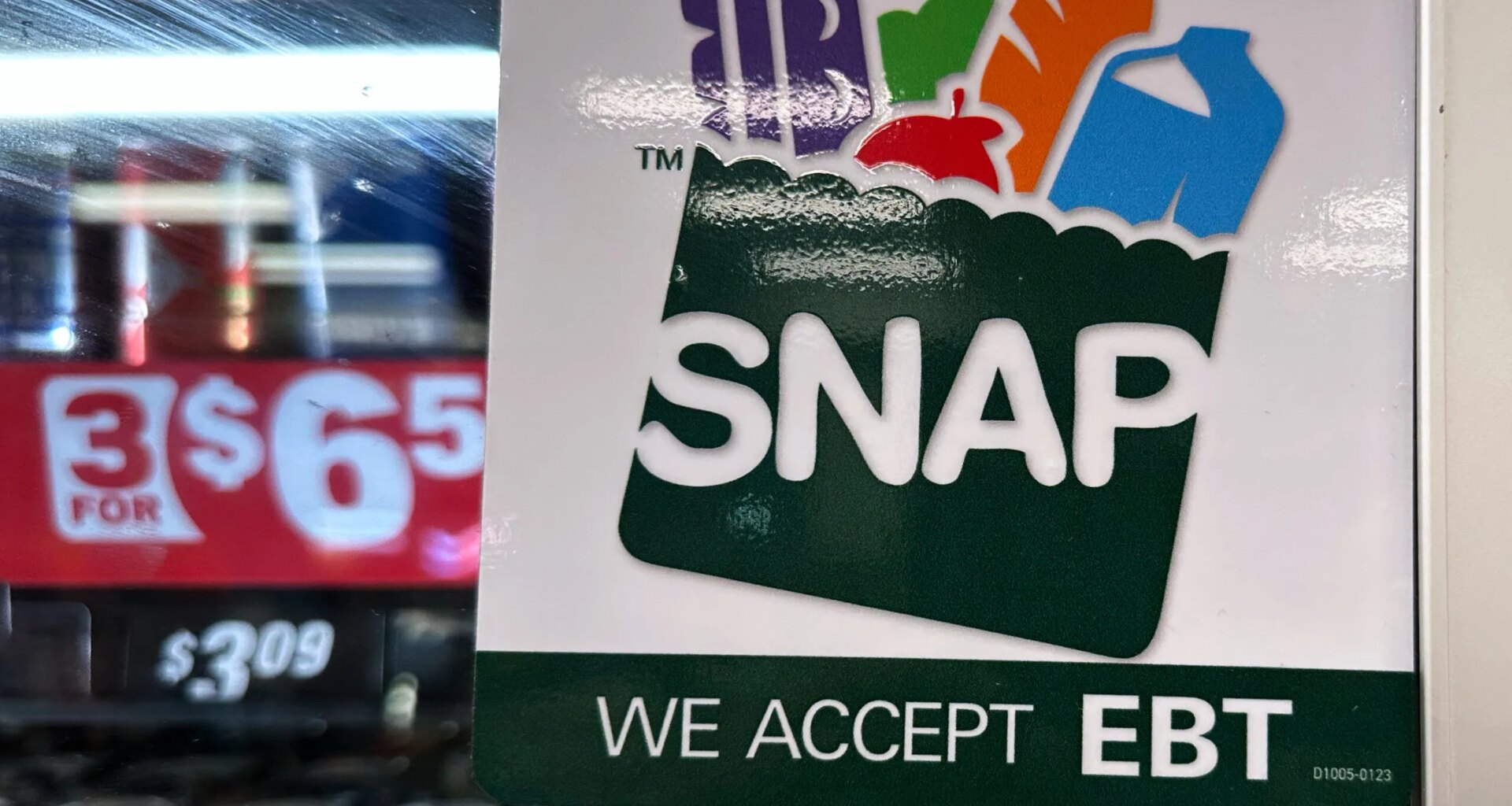
Under the One Big Beautiful Bill Act, states with a SNAP payment error rate higher than 6% will have to match a portion of federal funding up to 15% — translating to hundreds of millions in state dollars. Error rates reflect both overpayments and underpayments of SNAP benefits. Since it measures cumulative payment accuracy on the administrative side, a SNAP error rate is not a direct indicator of fraud.
Colorado had a SNAP error rate of 10.09% in fiscal year 2025, according to the U.S. Department of Agriculture. That’s close to the national average of 10.62%. Under the new federal rules, the state could have to pay a portion of SNAP benefits starting in October 2027.
Simmons said individual counties like El Paso are anticipating the possibility of having to foot a portion of the new cost, but no concrete plans have been made. She estimated the county’s portion could be more than $8 million. El Paso County Human Services has an estimated overall 2027 matching budget of $27.4 million.
“Eight million for El Paso County is a very, very significant portion of our budget,” she said.
Funding reserves set aside for El Paso County Human Services could cover a majority of the estimated SNAP cost as a one-time source.
“However, that’s not a long-term solution,” Simmons said.
Commissioners expressed frustration with the possibility, citing El Paso County’s low error rate compared with the state average. Commissioner Carrie Geitner said the county estimated its SNAP error rate recently at around 3%.
“The lack of accountability is causing these problems,” she said.
The rest of the forecasted budget has wins and losses for El Paso County. While county human services will receive an additional $2.3 million in the next fiscal year for Medicaid, state allocation for human services administration will decrease by about 3%.
Two county-administered programs for children are also losing funding next year: the allocation for Child Protection is decreasing by 1.4% and the allocation for the Colorado Childcare Assistance Program is decreasing sharply by 26%.
Simmons said funding for CCAP, which subsidizes early childcare for qualifying families, dropped due to attrition while the program was on a freeze. With fewer participants, the state allocates fewer dollars.
Overall, the county’s budgeting process is following a strategy of conservative “recession resistant” projections and spending estimates, according to Simmons. Sales and use tax revenue through July of this year, the latest compiled, shows a stronger position than originally anticipated. The preliminary budget for 2027 does not include a dip into current reserves.
Simmons said the county does not anticipate issuing a TABOR refund for 2025 or in the next two fiscal years.
The budget process will continue through December of this year, with opportunity for county departments to present on critical needs and for the public to comment. For more information on the process and to view the preliminary balanced budget, visit the county’s website.