
Pertussis, also known as whooping cough, has reached a record high, with over 3,500 cases reported in Texas to date, according to a Texas Department of State Health Services health alert.
Preliminary data shows that around 85% of the reported cases this year have occurred among children.
DSHS reported a significant increase in whooping cough cases last week, with reported case numbers four times higher than they were in October 2024.
Texas reported about 340 cases in 2023, which increased to about 1,907 in 2024, according to DSHS.
D-FW Public Health Alerts
This year is the second consecutive year Texas has experienced an influx in reported cases, resulting in DSHS health alerts both times.
It is unclear why case numbers have been increasing in recent years.
What is whooping cough?
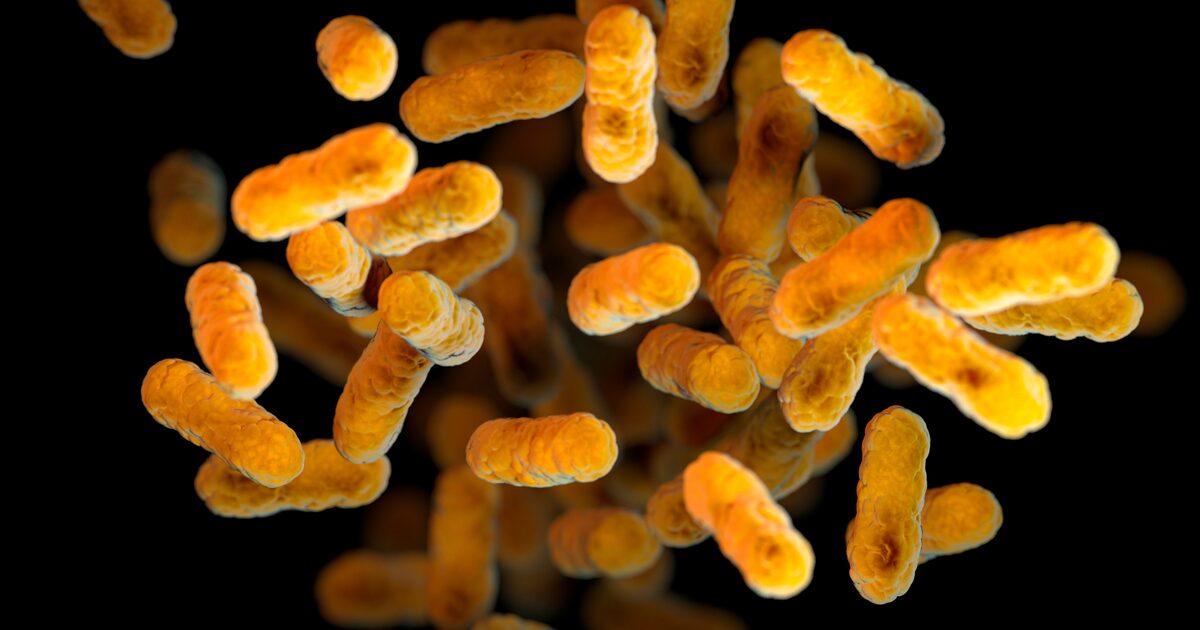
Whooping cough is an illness caused by a bacteria called Bordetella pertussis, according to DSHS.
The illness is highly contagious and gets its name from the “whoop” sound people make when they breathe between coughs.
It is most commonly spread from person to person through coughing, sneezing or close contact, according to DSHS.
What are the symptoms?
The early symptoms of whooping cough are similar to the common cold, such as runny nose, low-grade fever or mild coughing, DSHS said.
About one to two weeks after symptoms start, those with whooping cough may develop coughing fits, which will get worse and become more frequent as the illness progresses.
The coughing fits can cause vomiting in adults. Infants that contract the illness may gag, vomit, stop breathing or turn blue instead of having coughing fits, DSHS said.
What to do if you or someone you know contracts the illness
According to DSHS, the best way to prevent whooping cough is to get vaccinated.
Although immunization does not ensure the illness will not be contracted, it does lessen the severity of the symptoms.
Early recognition and treatment are also key to stopping the spread of whooping cough.
People who might have whooping cough should stay home from work, school and any other public outings until they have completed five days of antibiotic treatment, according to DSHS.
Whooping cough can cause serious complications for infants, young children and pregnant women.
For more information, visit the Centers for Disease Control and Prevention or DSHS websites.