
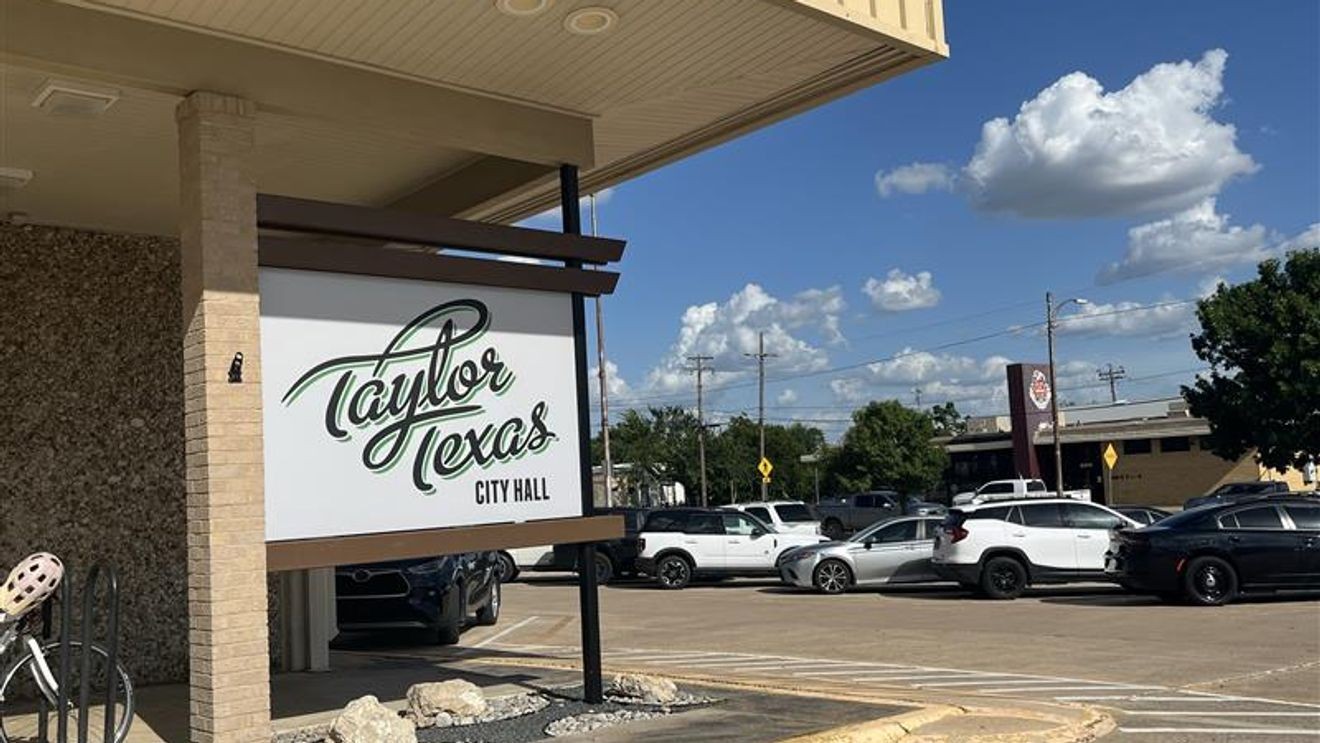
TAYLOR, Texas — A controversial data center project is back before Taylor City Council this Thursday, despite months of community pushback.
The proposed agreement is between the City of Taylor and developers Big Watt Digital and PowerHouse Data Centers for the 664-acre Taylor Technology Campus, formerly known as Project Mustang.
The vote comes after the developers withdrew their annexation and zoning application with the city in September. Instead of ending negotiations, the city continued working with the developers on an agreement that would establish binding regulations for the project.
A study commissioned by the developers estimates the project could generate $1.38 billion in gross tax revenue for Taylor over 20 years.
The developers also project $4.8 billion in economic output and nearly 19,350 temporary jobs during construction from 2027 to 2029.
At full buildout, the campus is planned for 500 megawatts of data center capacity, with the potential for another 500 megawatts in the future.
“The development of Taylor Technology Campus has the potential to drive incredible local investments that can improve Taylor and Williamson County for decades to come,” said Keith Meyer, President of Big Watt. “We are sharing RCLCO’s independent analysis to showcase the magnitude of local enhancement possible for the community. We look forward to continuing to work with the City of Taylor and setting the bar for responsible data center development in the state of Texas.”
ALSO| What is the debate over Austin’s Prop I?
KEYE
The agreement calls for the developers to provide $28.2 million in community investments and nonprofit support.
That includes:
$13 million to the City of Taylor for quality-of-life improvements, including at least $750,000 for adaptive-use improvements at city parks for people with disabilities.$10.2 million for Taylor ISD educational programs.$1.5 million for Taylor ISD higher-education scholarships.$1 million for Taylor ISD career and technical education and workforce development, including at least 20 student internships each year for three years.$1 million for the city’s animal-care program.$150,000 to the Taylor Education Enrichment Foundation.$150,000 to the Boys & Girls Club of East Williamson County.An additional $1.2 million in nonprofit contributions over 10 years.
Beyond the economic benefits, the site would be designed with a closed-loop cooling system using reclaimed water. The entire site would initially require about 1.575 million gallons to fill the system.
The developers would also pay for utility lines connecting the campus to Taylor’s utility systems. The agreement calls for wastewater infrastructure improvements intended to improve effluent quality, reduce discharges into Mustang Creek, and allow future industrial demand to be served with reclaimed water. As part of those investments, the developers would withdraw their existing TCEQ wastewater discharge permit application.
The facilities on the project site also will have setback requirements designed to separate the development from nearby homes, including remaining 300 feet from the north, east and west property lines and 700 feet from the south.
The agreement would require an acoustic study at the property lines before development to establish pre-development noise levels. Noise from the project could not exceed the greater of 65 decibels or the pre-development noise level.
If approved, the property would be annexed into Taylor city limits. That would give the city authority to enforce requirements covering issues including water use, noise, building setbacks, and community investments.
“I believe the terms before Council represent the best path forward for Taylor and the surrounding area, and the regulations that Big Watt and PowerHouse have agreed to for the project will work to ensure that the community’s concerns about noise, water use and setbacks are being addressed and enforced by the City and Council,” said Jim Buzan, Mayor of Taylor.
Thursday’s discussion comes after months of pushback from Taylor residents. At council meetings, residents with the local grassroots organization HALT Taylor Data Centers have urged the city to invest more in quality-of-life projects, support small businesses and encourage residential growth.
“We don’t want it here. RIGHT away, we did not want data centers across from us,” said Connie Zycha, a Taylor resident.
Without the agreement, the project would remain in unincorporated Williamson County, where the county has no zoning authority and limited development regulations. The city says that would leave Taylor without authority over the project.
To learn more about the project, visit the City of Taylor website here.