
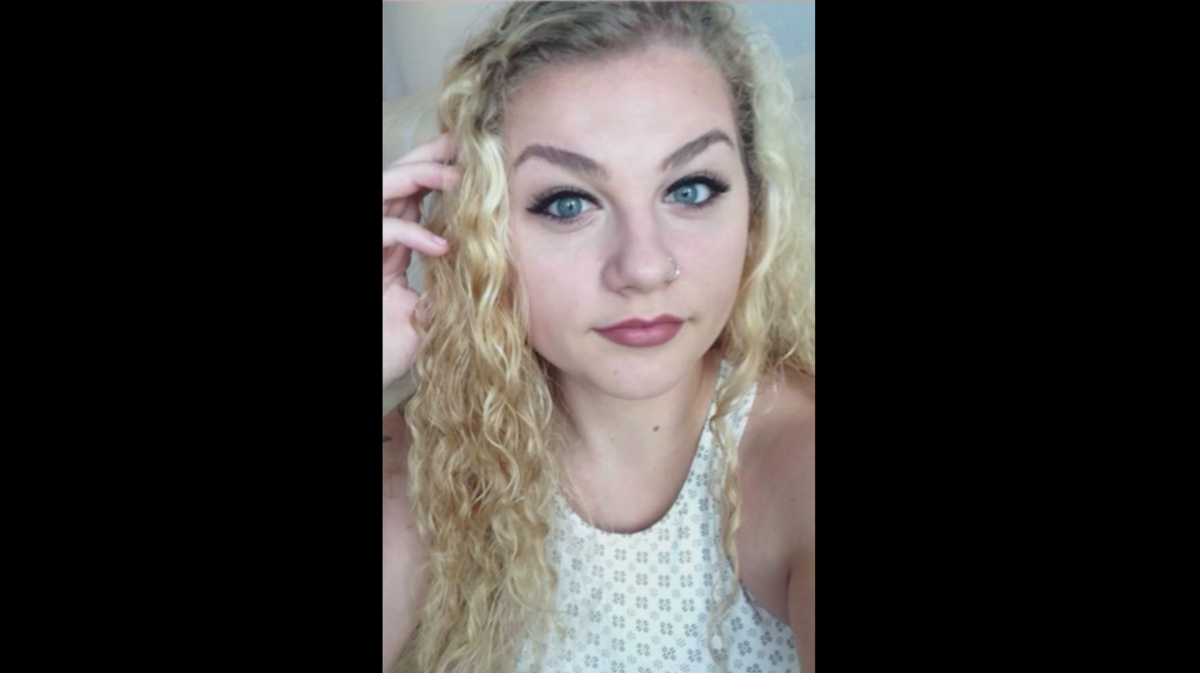
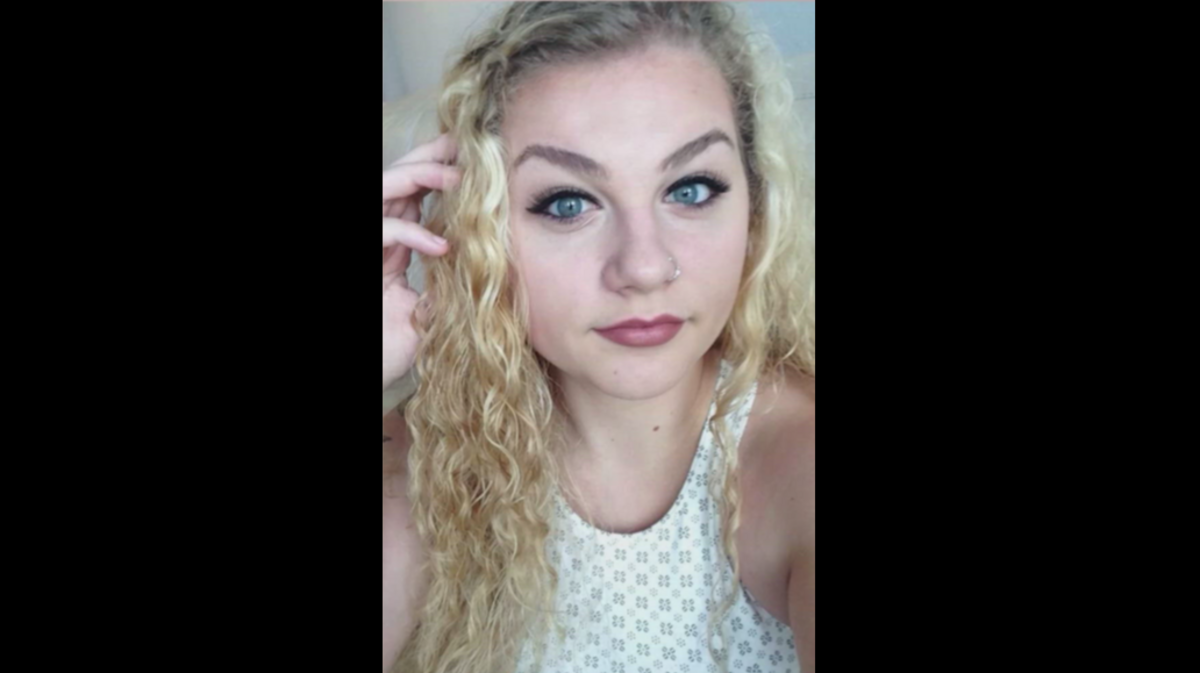
Ariel Levy
Family photo
Dylan Jones and Ariel Levy were in their late 20s when they met online. Their first date was spent spray-painting trains.
Jones was regularly unemployed throughout the relationship, which began in the fall of 2023, according to state prosecutors in Tarrant County. Levy worked multiple jobs and provided her boyfriend money.
Jones was often jealous, distrustful, possessive and controlling of his girlfriend, according to the Tarrant County Criminal District Attorney’s Office. He isolated Levy from her friends and relatives, including her son.
Jones forced his religious and political views onto Levy throughout their relationship, according to prosecutors. Jones even controlled her hygiene.
In their far north Fort Worth apartment in March 2025, he shot her to death.
A cartridge casing was found on a bed, next to Levy’s body. The casing is consistent with the same caliber of weapon that Jones had in his possession when police took him into custody, a Fort Worth Police Department homicide unit detective wrote in an arrest warrant affidavit.
After firing a bullet into Levy’s head, Jones left the homicide scene in the 800 block of Ipswich Avenue and led officers on a chase.
Jones had told other people that he thought he harmed Levy, 28, while was he was blacked out, according to the arrest warrant affidavit.
Jones was driving Levy’s SUV and had her phone as officers pursued him for 38 minutes, police said. The chase ended in Hurst when Jones crashed.
Three weeks ago, as his murder trial neared, Jones met with his attorney, Barry Johnson. Jones refused to discuss the case.
Four days before the trial was to begin, Johnson tried to meet with his client in a Tarrant County jail. Jones refused to come out of his cell to meet with him, Johnson wrote in a motion for a continuance that Judge Doug Allen denied.
The jury trial on guilt-innocence went on as scheduled in Criminal District Court No. 3. On its second day, Jones changed his not guilty plea to guilty.
Tarrant County District Attorney Phil Sorrells wrote in response to questions from a reporter that Jones believed he could “stop the wheels of justice simply by refusing to participate in his trial process. He was wrong.”
Jones changed his plea on his indictment’s murder and aggravated assault counts after realizing that his refusal to participate would not halt the proceedings, Sorrells wrote.
“Defendant defiant in court, punishment now assessed by judge,” the district clerk’s office noted in a record.
Defense attorney Johnson had filed an election for the jury to assess punishment, but Jones refused to sign it, according to Sorrells.
“As a result, the court assessed his punishment,” the district attorney wrote.
Judge Allen on Sept. 29 sentenced Jones to life in prison, a punishment at the high end of the range for murder as a repeat offender: 15 to 99 years, or life. Jones, 32, will be eligible for parole after he serves 30 years.
Attorney Johnson did not respond to a reporter’s written questions.
Johnson in March 2026 observed that Jones’ mental health had deteriorated in the previous three months. Jones reported that he was hearing voices.
“He appears unable to adequately assist his counsel at the present time,” Johnson wrote on a document in which Judge Allen ordered a competency exam.
A psychologist concluded in December 2025 and May 2026 that Jones was competent.
Related Stories from Fort Worth Star-Telegram

Fort Worth Star-Telegram
Emerson Clarridge covers crime and other breaking news for the Fort Worth Star-Telegram. He works days and reports on law enforcement affairs in Tarrant County. He previously was a reporter at the Omaha World-Herald and the Observer-Dispatch in Utica, New York.