
HOUSTON – Nearly half of Houston-area respondents living in households earning less than $25,000 a year said they would be “not at all” or “not too prepared” if a natural disaster struck, according to a Rice University Kinder Institute for Urban Research study. The finding highlights a gap in disaster preparedness between lower- and higher-income households.
For families living paycheck to paycheck, the cost of emergency supplies and backup power can make preparing for hurricanes, floods and extended power outages difficult. Local residents and community organizations say families can still take steps to prepare by gathering basic supplies over time, making an emergency plan and using free preparedness resources.
Daniel Potter, director of the Houston Population Research Center at the Kinder Institute, said preparedness can be difficult when basic supplies cost money that families may not have available.
“Many of us do not have those kind of resources,” Potter said.
Residents describe the cost of preparing
Cam, a Houston-area resident originally from Louisiana, said hurricanes and tornadoes are familiar to him. He estimates spending hundreds of dollars each year on supplies, including bottled water, snacks and portable chargers.
But he believes the number of residents struggling to prepare could be even higher than the study suggests.
“The economy is bad right now. A lot of are struggling right now, a lot of people are struggling,” Cam said.
Cam said he tries to set money aside and encourages others to save what they can, even if it is a small amount.
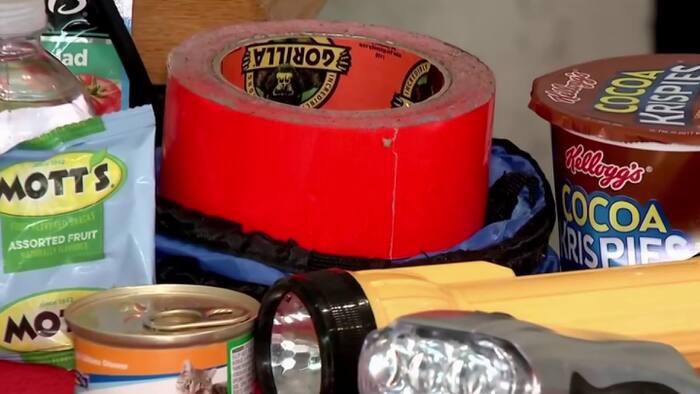
Gabrielle Delasbour said she keeps basic emergency supplies at home, including flashlights, candles, matches, water, canned goods and toiletries. However, she does not own a generator.
Delasbour said she understands why some families have difficulty affording additional emergency equipment.
“With the economy, I can understand it,” she said.
She also said she gradually builds her supplies during grocery trips, buying extra water and other necessities when she can.
Her approach reflects advice from emergency preparedness experts: start with the basics and add supplies over time.
Community organizations see the need firsthand
Beverly Walker, regional director for community resilience and ecosystems at the East Harris County Empowerment Council, said her organization regularly hears from residents who need help preparing for disasters.
The organization serves communities in East Harris County, including Channelview and Galena Park. Walker said residents seek everything from preparedness information to basic supplies.
“We see it very often,” Walker said. “Even basic water supply, it’s hard to come by, get in a case of water, and when you’re in need in this area, it is hard to find.”
The organization offers preparedness workshops and provides informational pamphlets, power banks and materials to help residents assemble emergency bags.
Residents can learn more about the council’s disaster preparedness training at eastharriscounty.org/dtp.
Walker encourages families to collect supplies gradually instead of making large purchases that could strain their budgets.
“We would always say definitely you don’t want to lose what you have because you’re prepared for a disaster, but little by little gathering those items that are on the list and pamphlets that we do hand out,” Walker said.
The council is also working to find resources for residents who need generators or backup power during outages. Walker said the organization is still trying to identify ways to help meet that need.
Officials recommend starting small
Brian Murray with the Harris County Office of Emergency Management said residents should aim to have enough supplies to remain self-sufficient for five to seven days after a disaster. Emergency assistance can take time to arrive, and officials may not be able to meet every household’s needs immediately.
Murray recommends starting with essentials such as water and nonperishable food before considering more expensive purchases.
“If every time you go to the grocery store, you pick up an extra few cans of tuna, green beans, or whatever it is that you like, and start putting that aside just for disasters, that over time will build your disaster kit,” Murray said.
Families should also consider their specific needs, including prescription medication, medical equipment and supplies for pets.
For residents who need help finding assistance programs, Murray recommends calling 2-1-1 to ask about nonprofit organizations and other community resources.
Kathy Clark of The Salvation Army also encourages residents to use free preparedness information online.
“Yes, so there’s a lot of free resources out there. You can go to ready, ready.gov and there’s a lot different information out there to where you can prepare yourself,” Clark said.
Where Houston residents can find help
Families can begin preparing for the next hurricane, flood or power outage with a few practical steps:
Get free preparedness information: Visit Ready.gov for emergency planning guidance and supply checklists.Check local preparedness resources: Visit Ready Houston for regional guidance on making a plan, building a kit and staying informed.
Build a supply kit gradually: Add a few extra cans of food, water or other necessities during regular grocery trips when the budget allows.
Make a family emergency plan: Decide where family members will meet, how to communicate if phone service is disrupted and where to go if evacuation becomes necessary.
Ask about local assistance: Call 2-1-1 to find out whether nonprofit organizations or other community programs may be able to help with specific needs.
Preparedness does not mean buying every item on a checklist at once. For families facing tight budgets, making a plan, signing up for alerts and setting aside basic supplies over time can be meaningful first steps toward staying safer when disaster strikes.
Copyright 2026 by KPRC Click2Houston – All rights reserved.