
Published October 11, 2026 7:00am
El Paso County is among nine Colorado counties starting a pilot program to investigate overdose deaths. The initiative follows new guidelines set out in state statute.
“The goal is to improve community health and reduce preventable overdose deaths,” said Dacia Hudson, El Paso County Public Health Community Health Promotion Division director, at a recent El Paso County Board of Health presentation.
Recommended Stories
▶
Unlike the state’s childhood fatality review teams, which are required to evaluate all unnatural deaths, the overdose fatality review board will choose cases based on criteria still under development. Hudson said that the team might investigate a cluster of deaths in one location or among a certain age group, as examples.
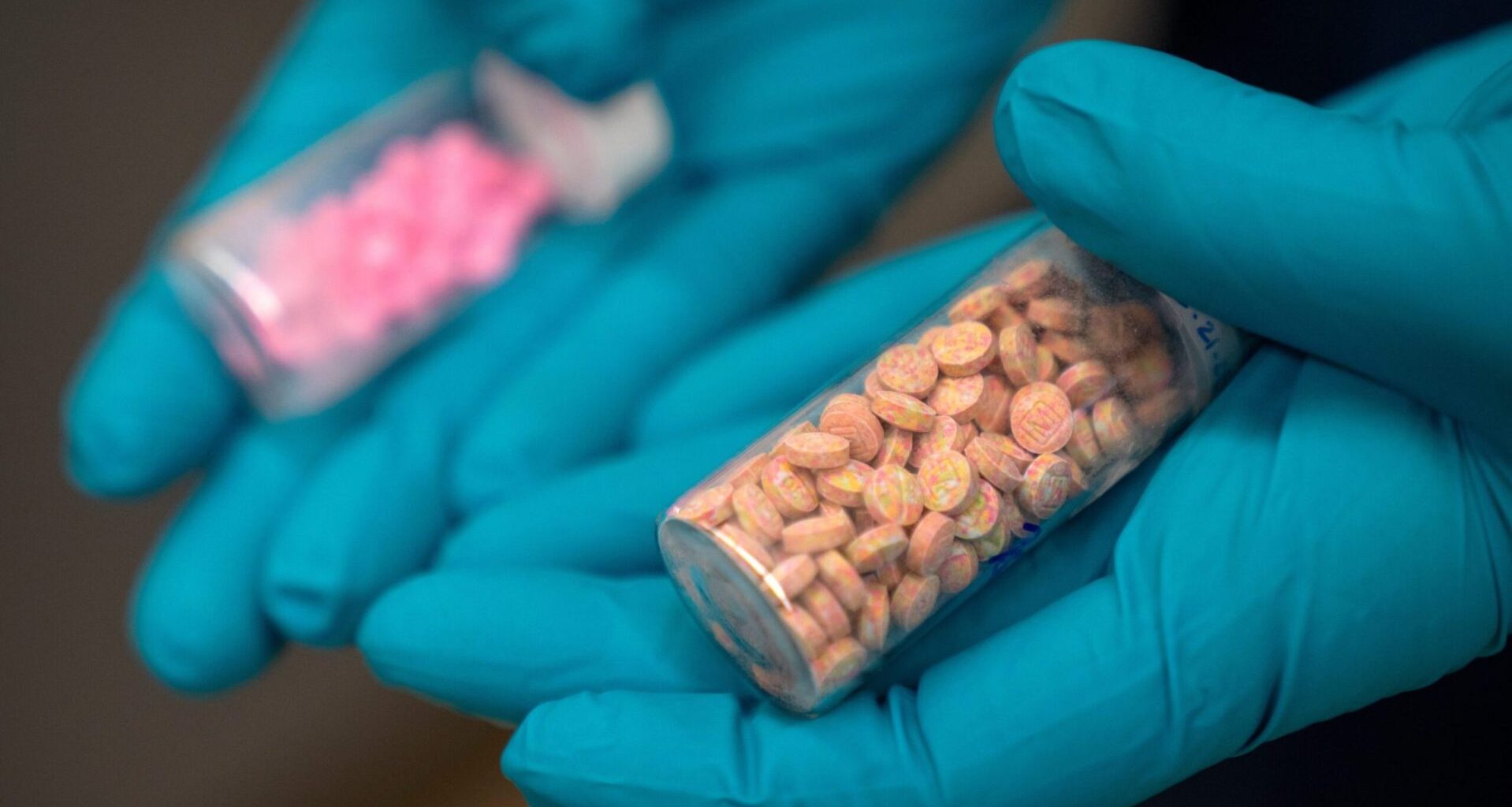
The team is coming together as data shows overdose deaths have risen statewide and in El Paso County. According to the coroner’s report for 2025, the county saw 178 accidental overdose deaths, an increase of 16%. Preliminary data for the first half of 2026 saw 124 deaths.
Colorado is among just a small handful of states that have seen a significant increase in overdose deaths last year. Nationwide, overdoses have been decreasing since a peak around the COVID-19 pandemic. Last year, the national average was a decrease of 14%.
Funding for the overdose review board comes from the U.S. Centers for Disease Control. Members will come from different backgrounds, including local law enforcement, El Paso County Public Health, the coroner’s office and community groups like Serenity Recovery Connection and Peak View Behavioral Health. The group will present its findings to policymakers, but no plans have been set for any public reports or presentations.
According to Emma Bernick, El Paso County Public Health Injury and Violence Prevention Planner, the team’s goals are intentionally open-ended. Bernick is co-chair of the review board along with El Paso County Coroner Emily Russell-Kinsley.
“It’s really intended for the community to use it as a tool for whatever is most effective,” she said.
El Paso County Commissioner Carrie Geitner was skeptical of the program during its approval process with the county board of health. She said during the meeting that reviews tend to encourage the use of “political ideologies” to explain the factors behind a death, and that organizations tend to recommend their own services.
“The question to me is: how useful is it?” she said.
Geitner voted to approve the pilot program in the board’s unanimous vote, saying she felt the premise was “worth a shot.”
Bernick said that overdose fatality review was a “nationally recognized evidence-based model” with a history of implementation in other states.
The overdose fatality review board is a new avenue for El Paso County Public Health, where its Substance Use Prevention Program has primarily focused on tobacco use prevention among young people, according to Hudson. The agency has in the past year been branching out to alcohol and marijuana use prevention, but drug use is not currently included in the education model.
The county’s publicly available overdose data, which includes death demographics and information about hospitalizations, dates to 2024.
The county agency receives an allocation of naloxone, a drug that can reverse opioid overdoses, which it used to distribute to the public. In 2024, the Colorado Department of Public Health and Environment implemented restrictions as one-time funding ran out. El Paso County now sends allocations of the drug to priority organizations in the community under the state’s guidelines.